![[policy-pulse]-the-‘hormuz-blockade’-of-the-stock-market…-who-is-delisting-really-for?](https://10xwealthreport.com/wp-content/uploads/2026/09/231492-policy-pulse-the-hormuz-blockade-of-the-stock-market-who-is-delisting-really-for.png)
Sudden Tightening of Market Cap Criteria by the Korea Exchange
Shock-Absorbing Measures Neutralized in Just 42 Days
Exit Routes Closed for KOSPI and KOSDAQ-listed Firms
Forward-Looking Decisions Needed to Restore Market Trust

At the end of February, the world expressed grave concern for the more than 1,200 ships and their crews trapped in the Strait of Hormuz after Iran, protesting attacks by Israel and the United States, imposed a blockade on the strait. The Korean government also joined other nations in issuing a statement condemning the blockade. For the vessels, crews, and related parties who had entered the Persian Gulf through the strait, the news of the blockade must have felt like a bolt from the blue.
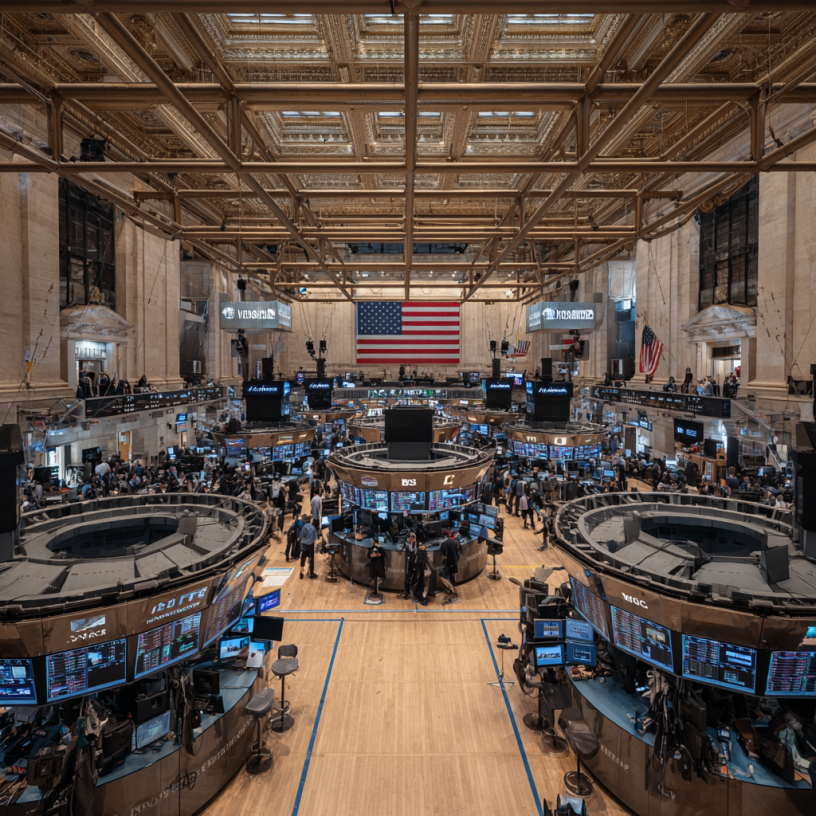
A similar situation has unfolded in the stock market. Investors and listed companies, who believed they could sell their shares at any time, are now experiencing the same sense of helplessness as ships blocked in the Strait of Hormuz, due to a recent amendment by the exchange. An unexpected change in circumstances—specifically, stricter market capitalization requirements—has shut off exit opportunities for some, forcing them to seek ways out as unlisted companies.
Last year, the Korea Exchange increased the market capitalization requirement for maintaining KOSPI (Korea Composite Stock Price Index) and KOSDAQ listings by tenfold: from 5 billion won to 50 billion won and from 4 billion won to 30 billion won, respectively. To account for the potential market shock, it originally announced a three-year phased implementation through 2028. However, only 42 days after the first stage took effect, the exchange abruptly brought forward the schedule this February. Through the revision, the 30 billion won threshold was rescheduled for July this year, and the 50 billion won threshold for January next year. Some companies and investors have since filed injunctions.
The issue at the August 21 hearing centered on the limits of the Korea Exchange’s discretionary power as a state-licensed monopoly to unilaterally change listing eligibility for companies. The companies’ core arguments are twofold. First, a drop in market capitalization does not necessarily indicate business deterioration; even profitable and sound companies can fall below the threshold due to a decline in stock price. Second, the reduction of the grace period is problematic. The originally intended buffer against market shock collapsed within just 42 days, and the conditions for regaining compliance have become even more stringent, making it even harder to avoid delisting.
The Korea Exchange, on the other hand, argues that the purpose of the amendment is to enhance market soundness through the timely delisting of underperforming or insolvent companies. The phased implementation remains, only with the timetable moved up, and as an entity performing public functions, the exchange maintains that it is granted broad discretion to revise relevant regulations as market policies require.
Awaiting the court’s decision, I wish to point out a policy contradiction. Had the Korea Exchange truly regarded the hundreds of companies with less than 50 billion won in market cap and five million investors as its real “customers,” such a violent closure of the exit would have been avoided. Strengthened criteria should be applied first to newly listed companies, and existing companies should have been given a lengthy grace period for restructuring. Alternatively, the exchange should have established a secondary board to provide at least a minimum exit channel.
Even more critical is that this very regulation effectively triggers a self-fulfilling crisis, accelerating stock price declines. Share prices are formed at the intersection of buying and selling, and with the delisting deadline looming, a powerful “stigma effect” has emerged in the market. For example, even a healthy company with a current market cap of 55 billion won can see its stock drop below 50 billion won simply due to the fear of delisting, with buyers vanishing. Regardless of fundamentals, the exchange’s regulatory standard seems to have become a black hole dragging down market capitalizations. The Korea Exchange must answer how it will address this obvious market distortion.
The Korea Exchange invokes “investor protection” as its justification, but those truly on the brink of sinking—trapped in the Strait of Hormuz—are today’s investors themselves. Claiming to protect future, hypothetical investors while allowing massive harm to five million current investors is contradictory. Regardless of the outcome of litigation, both the exchange and financial authorities must break away from administrative convenience. I strongly urge far-sighted decisions to minimize harm to good-faith investors and restore trust in the market.
Sooman Park, Attorney at Law
This content was produced with the assistance of AI translation services.
© The Asia Business Daily. All rights reserved. Unauthorized AI training and use prohibited.