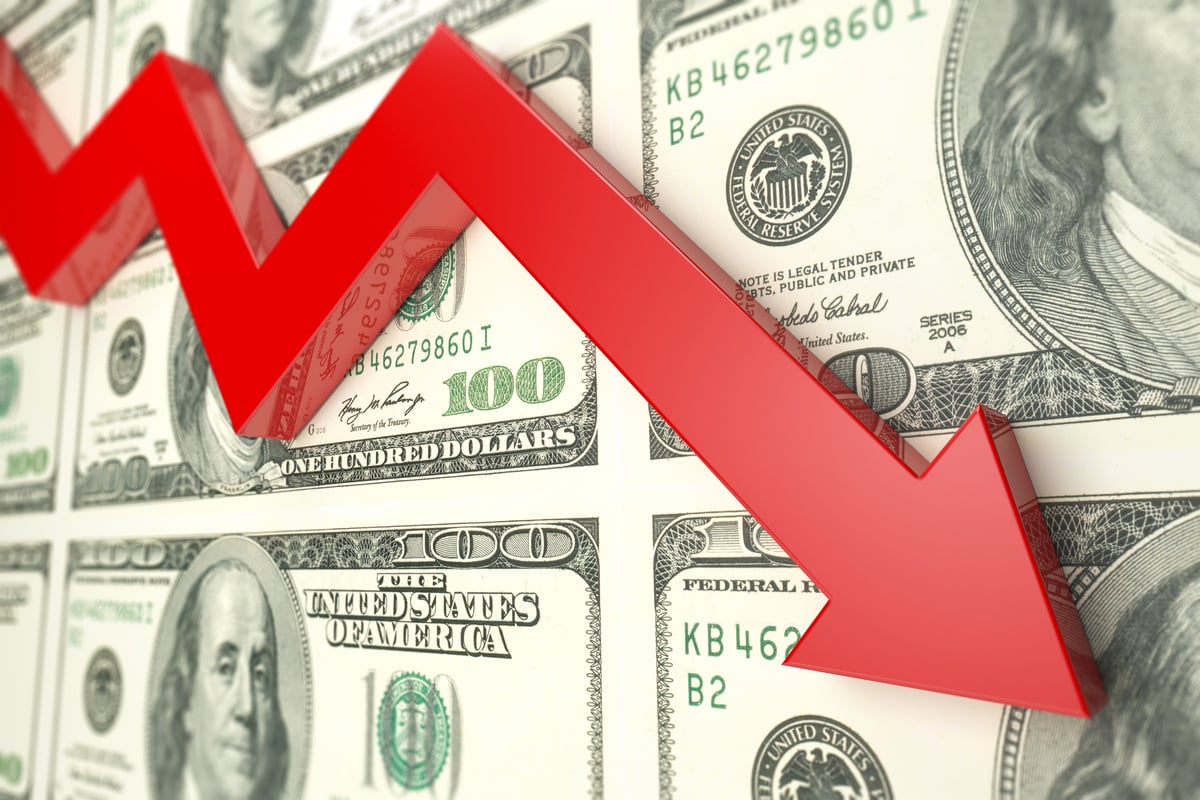
If I scream “a bear market is coming!” it will certainly seem alarming. But the proper response to that is really to nod knowingly and to move on — because a bear market is coming, at some point.
Stock market corrections, crashes, and bear markets simply recur. Fortunately, though, the market and our economy have always recovered after each one, eventually hitting new highs.
So given that a bear market is likely coming — perhaps this year or next — what should you do? Well, be sure that your money is parked in the right places.

Image source: Getty Images.
First, check out how the S&P 500 has performed in recent years:
|
Year |
S&P 500 Return |
|---|---|
|
2019 |
31.5% |
|
2020 |
18.4% |
|
2021 |
28.7% |
|
2022 |
(18.11%) |
|
2023 |
26.29% |
|
2024 |
25.02% |
|
2025 |
17.88% |
|
2026 |
13.86% (year to date) |
Data source: Slickcharts.com, as of Oct. 28, 2026. Returns reflect reinvested dividends.
Considering that the stock market’s long-term average annual gains have been close to 10%, those are a lot of outsize gains. Also, note that bear markets happen, on average, every 3.5 years, per Hartford Funds, with the average one lasting less than a year. So it’s more than reasonable to expect a bear market this year or next, and to expect it to not last too long — though it might.
Is your money parked in the right places?
The big question, then, is how you as an investor should deal with this situation.
My main piece of advice would be to have your money parked in the right places. And by that, I mean your short-term money — funds that you expect to need within five years or so — should not be in the stock market, as it’s a volatile place. If there’s a market crash and a bear market that lasts, say, three or more years, you don’t want the accounts you planned to draw from to have temporarily shrunk. Short-term money can be stored in high-yield savings accounts, certificates of deposit (CDs), money market accounts, and bonds.
To be more conservative, you might keep money you’ll need within 10 years in a less volatile place. And if you’re approaching retirement, you might move a larger chunk of your portfolio out of stocks — though remember that if you’re, say, 60 and you might live for 25 more years, much of your nest egg will be remaining invested for many years, so keeping some of your portfolio in stocks should serve you well.
Your long-term money can stay in stocks, as you can plan to just ride out any downturns. Remember that great stocks with terrific long-term gains have notched those gains despite occasional market pullbacks.