P&G’s 70-year dividend streak is the headline, but what the company is changing right now is the real reason I’d buy.
By Micah Zimmerman –
Key Points
-
P&G is changing how it invents, markets, and sells its brands, and early results are encouraging.
-
This restructuring program wraps up in mid-2027, just as its savings should be showing up most clearly.
-
Higher oil-linked costs and a full valuation mean the next few quarters could be bumpy.
The most interesting thing Procter & Gamble (PG +0.91%) made this year might be a diaper.
It’s called Pampers Amoira, P&G’s most premium diaper yet. It was built on a simple insight: Families are having fewer babies, so parents are willing to spend more on each one. CFO Andre Schulten said Amoira is on track to top $100 million in U.S. sales in its first year.
That one product says a lot about where P&G is headed, and it’s why I’d want to own the stock before 2027. The 70-year dividend streak is just the bonus.
PG Procter & Gamble
$169.37+$1.52 (+0.91%)
NYSE · As of 4:00 PM ET 11/20/26
A new boss with a new playbook
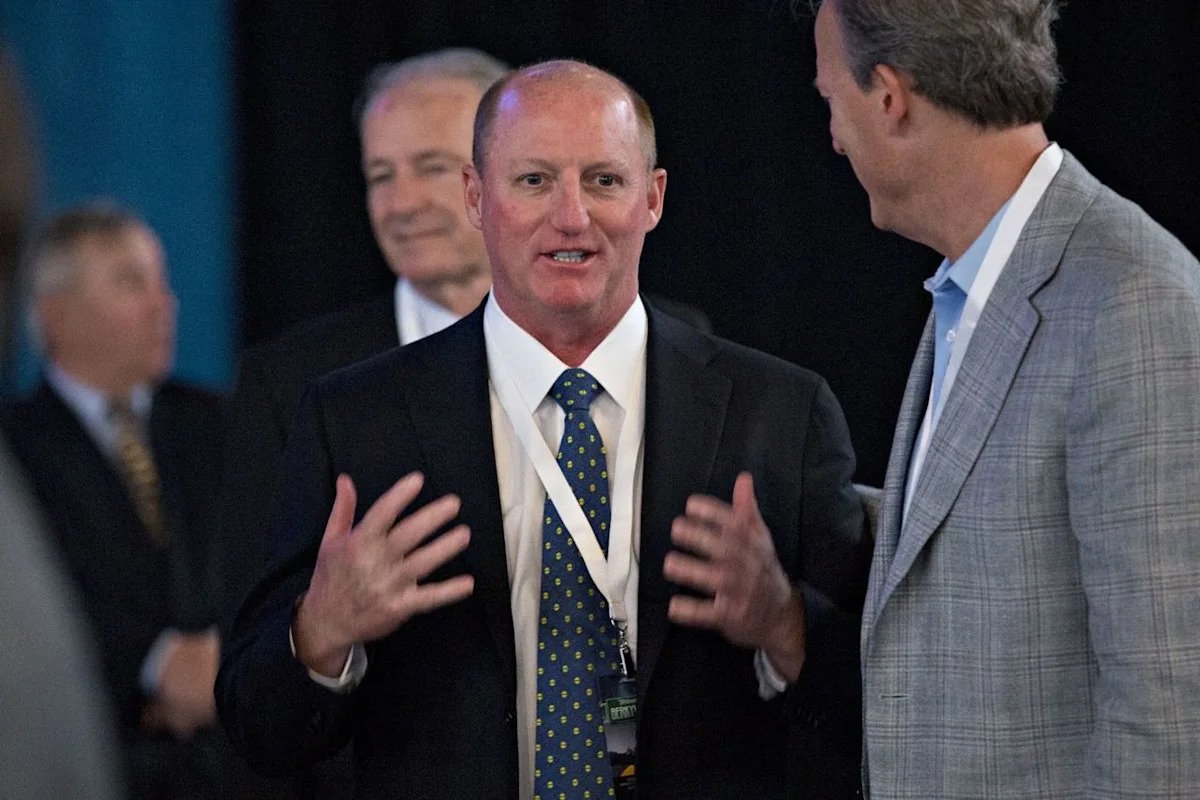
Jejurikar, a P&G lifer who joined in 1989, became CEO on Jan. 1. He isn’t tearing up the strategy so much as changing how it’s carried out. P&G is spending more time in shoppers’ homes, making brand content for algorithm-driven social feeds, and working with retailers on everything from store displays to AI shopping tools.
It’s working so far. Organic sales rose 4% last quarter, mostly because people bought more products rather than paid higher prices. “Growth going forward is not about taking share. Growth going forward is about growing our categories,” Schulten said.
P&G also bought Thorne, a premium supplements brand. “It’s a really well-run operation, and it’s been around for a long time,” Jejurikar told CNBC.

Image source: The Motley Fool.
Why 2027 should look better
The biggest reason is a restructuring program that cuts up to 7,000 non-manufacturing jobs and exits some weaker brands and markets over two fiscal years. Schulten called it “an important step toward ensuring our ability to deliver our long-term algorithm over the coming two to three years.” In this year’s annual report letter, Jejurikar wrote that P&G is “committed to improving results semester by semester and year by year.”
The road there runs through higher oil prices, though. “Due to the duration of higher oil prices, we now expect materially higher cost headwinds in Q2 and the second half of fiscal 2027,” Schulten warned, and P&G is “closely watching consumer demand as high fuel and energy costs persist into the fall and winter.” That’s partly why P&G expects core earnings growth of just 0% to 3% this fiscal year, and its pricing power is limited, since price increases had only a minor effect on sales last quarter.
At about 26 times earnings and near its 52-week high, the stock also carries a full P/E ratio for a company growing earnings in the low single digits.
Still, I’d rather own P&G while the hard work is happening than wait until the payoff is obvious. Trusted brands, a leaner cost base, and new products like Amoira are the kind of economic moat that rewards patience. Buying before the savings show up beats paying up once everyone can see them.
Where to invest $1,000 right now
When our analyst team has a stock tip, it can pay to listen. After all, Stock Advisor’s total average return is 719%* — a market-crushing outperformance compared to 192% for the S&P 500.
They just revealed what they believe are the 10 best stocks for investors to buy right now, available when you join Stock Advisor.
*Stock Advisor returns as of November 22, 2026.