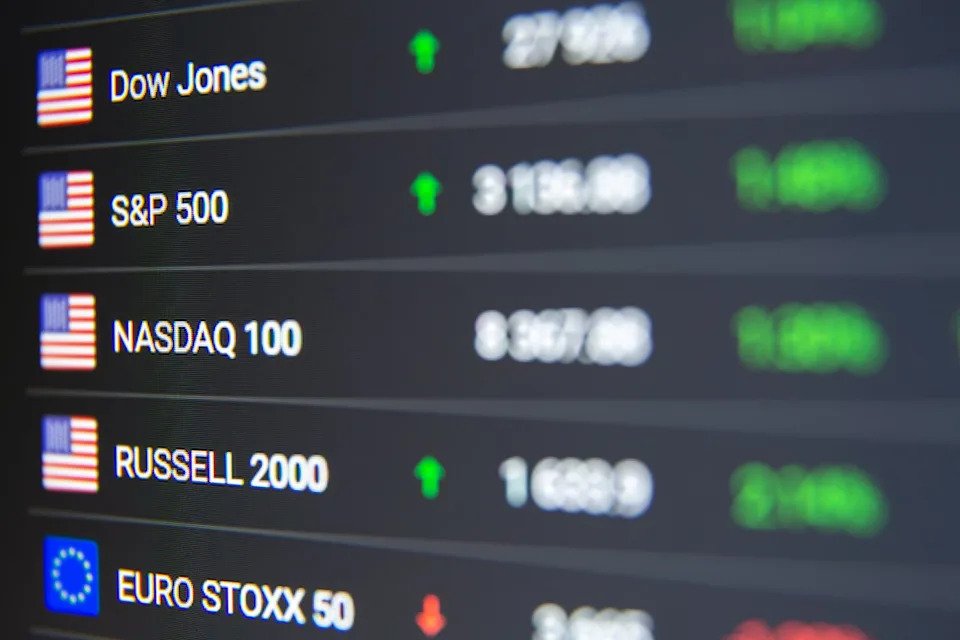
The Russell 2000 gained 2% during the week ended Oct. 23, ending six straight weekly declines. That was the small-cap index’s longest losing streak since 2018. The rise also occurred during a week where the S&P 500 (SNPINDEX: ^GSPC) and the Nasdaq 100 both fell.
That split is curious because we’ve seen this pattern before in response to changes in long-term Treasury yields. It could be caused by a couple of factors.
Missed AI’s “Act 1”? Act 2 Could Be 14x Bigger. Most investors think they missed the AI boat because they didn’t buy Nvidia in 2005. But according to our analysts, we’re only at the end of “Act 1″—the R&D phase. “Act 2” is the global rollout. Continue »
One, small-caps tend to be more debt-heavy than large-caps and can experience a disproportionate benefit should rates fall. Two, we’re starting to see investor concerns around artificial intelligence (AI) financing, net cash flows that are flipping negative, and rising credit risks.
This could be conditions swinging in favor of small-caps and the iShares Russell 2000 ETF (NYSEMKT: IWM) again.
Tech spending triggers a flight to safety
After peaking at 5.36% in early October, the 10-year Treasury yield is back below 5%. Rates had been rising along with inflation, oil prices, and Fed expectations. But growing concerns about AI spending and the idea that some of the big tech names have overextended themselves have triggered a modest flight to safety that’s brought yields back down.
That matters to small-caps that have borrowed significant sums to fund operations. Over the past two decades, State Street has found that small-caps have twice the sensitivity to Treasury yields as large-caps.
Valuation and earnings are the catalysts
One of the big things that has held small-caps back over the past few years has been a lack of earnings growth. Large-caps were doing great, but small-caps were offering little to no earnings improvement. That turned the group into laggards, leading them to trade at a significant discount to their large-cap peers.
Today, the earnings story has improved a lot. Small-cap earnings are expected to grow more than 20% year-over-year. But the Russell 2000 index still only trades at around 18 times earnings. That combination of fundamental improvement and valuation likely makes small-caps the better trade right now.
The risk that rates kill a small-cap rally
It’s unlikely that the Fed will raise rates this week, but the futures market is still pricing in two or three more quarter-point hikes by mid-2027. With inflation and oil prices still high, the Iran war still raging, and soaring U.S. government debt, there’s a strong case for why rates may need to move higher again to compensate.