China has taken deleveraging actions amid wake-up call from South Korean market volatility
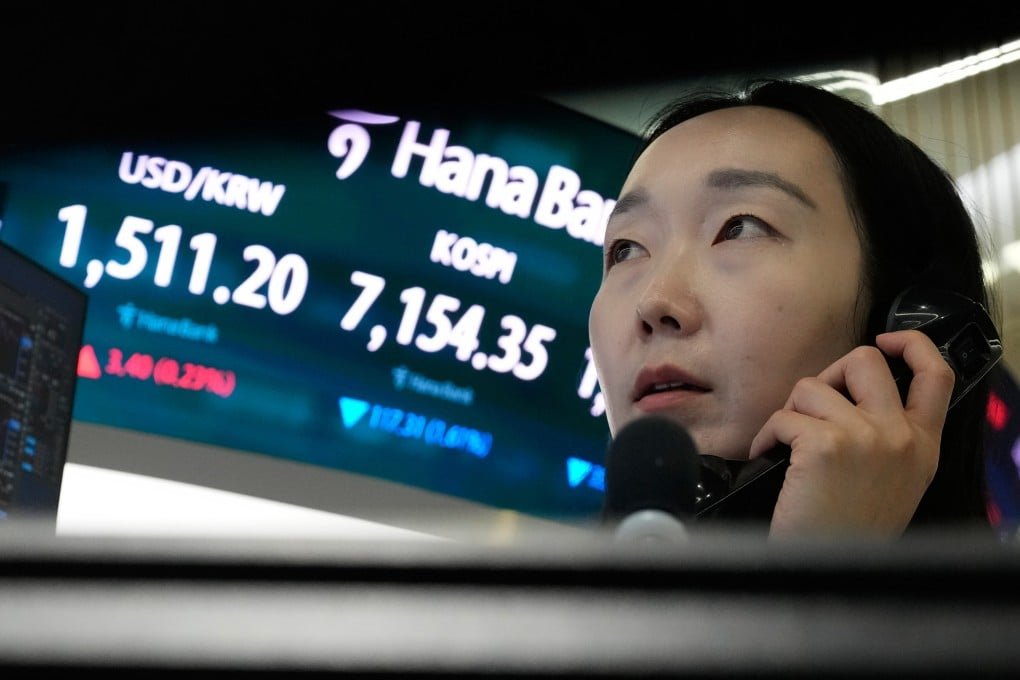
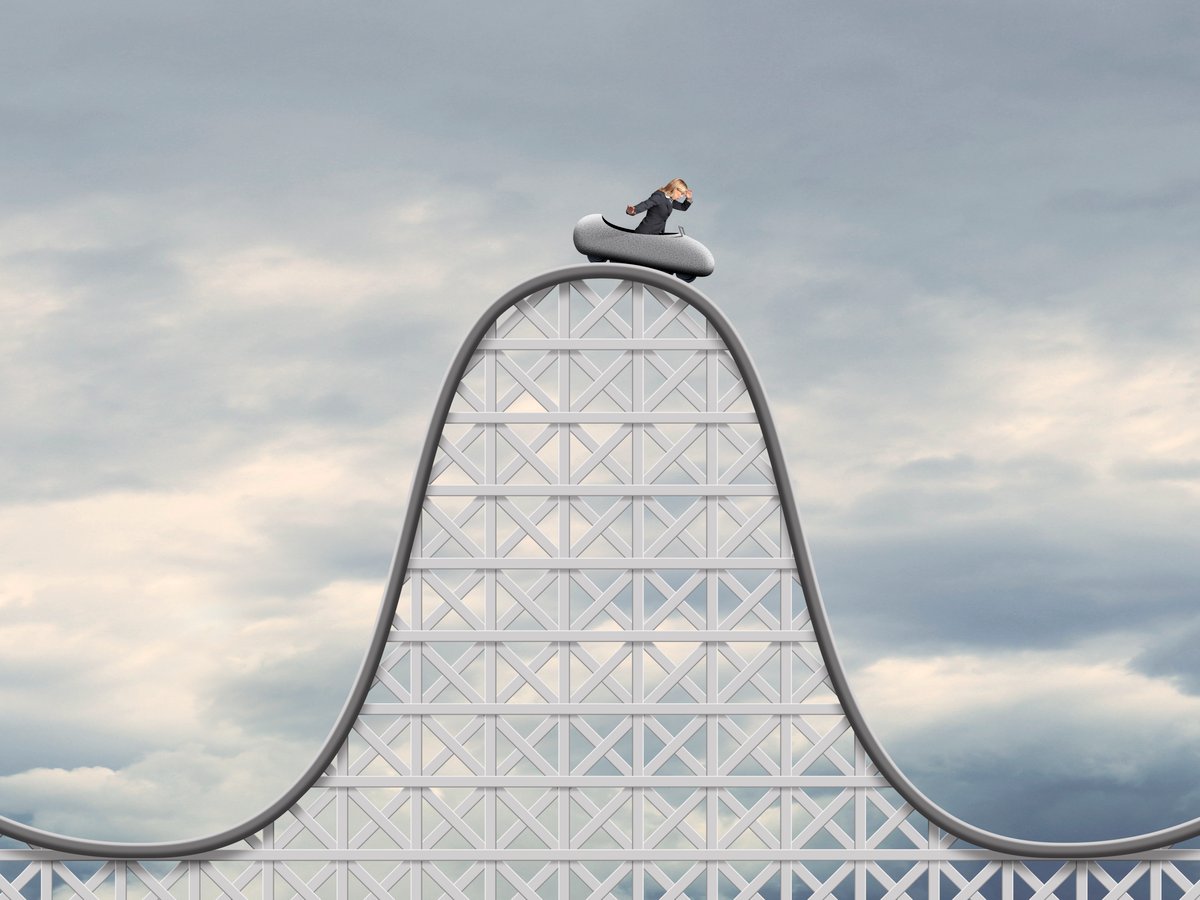
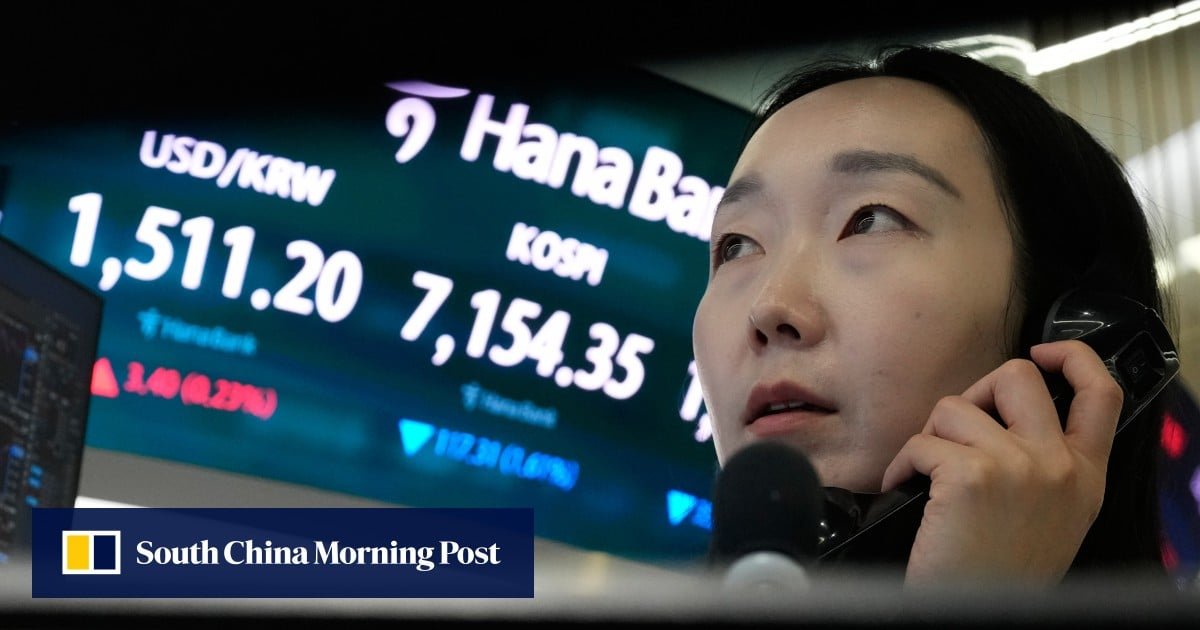
The volatile state of South Korean stocks is reminiscent for some investors of China’s rapid boom-to-bust cycle a decade ago, analysts say, when leveraged trading fuelled a meltdown that eventually wiped US$5 trillion from the market within months.
The South Korean stock market’s frantic artificial intelligence trade has many similarities to China’s markets in 2015, when record-high outstanding margin debts and a retail frenzy led to government intervention that eventually deflated the stock bubble.
South Korea’s current
dominance in the global memory-chip market means a spillover effect may sway the AI trade in China and other key equity markets. After South Korea’s Kospi index entered a technical bear market with a 20 per cent decline from its record high last month, China’s tech-centric Star Market 50 Index retreated more than 10 per cent over the past two weeks.
“South Korean stocks may become an amplifier of sentiment on global technology stocks, given the high leveraged levels,” said Jin Qianjing, an analyst at Shenwan Hongyuan Group. “The market may face a double whammy of high leverage and an exodus of foreign capital in the short term.”
The outstanding value of leveraged bets in South Korea was at a record high of 29.2 trillion won (US$19.7 billion) in early July after the introduction of the single-stock exchange-traded funds (ETFs) linked to Samsung Electronics and SK Hynix, prompting retail investors to take on extra leverage to buy the ETFs for AI exposure.
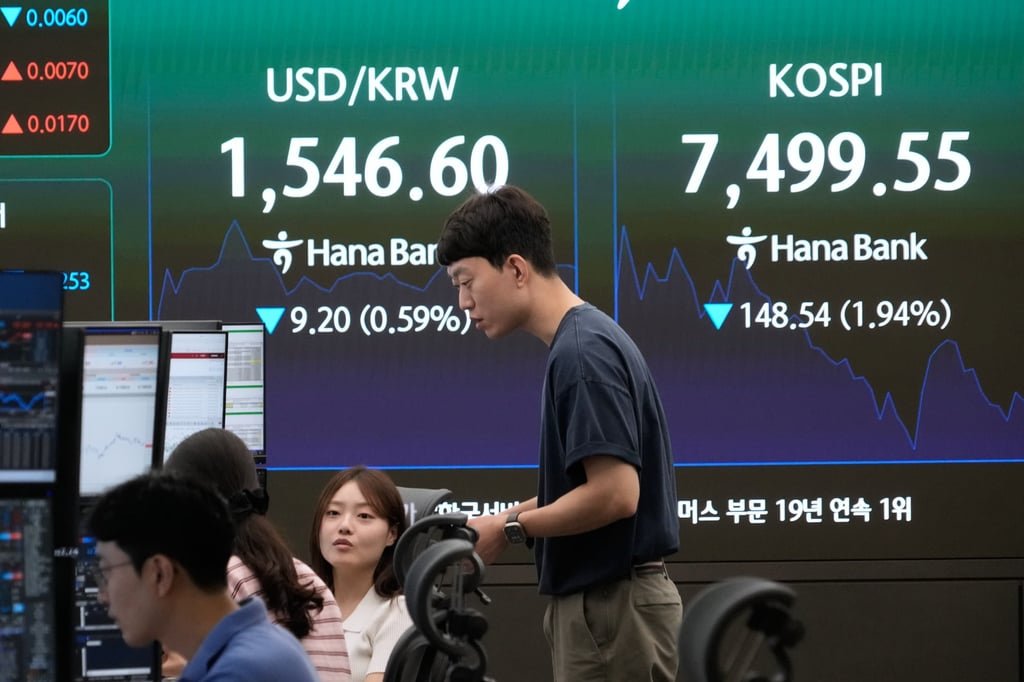
At its peak, the Kospi had jumped 116 per cent this year, lifting South Korea to the world’s sixth-largest stock market status, before an initial unwinding of leveraged positions increased volatility and triggered bouts of halts to trading. Sentiment turned after the Korean government signalled it would intervene to contain the crisis.