Silas Stein | Picture Alliance | Getty Images
SpaceX’s $2 trillion initial public offering is so far crowning more winners than losers.
One of them is arguably blockchain-based exchanges like Hyperliquid and Binance, which offered perpetual futures on SpaceX in the lead-up to the IPO.
Perpetual futures, or “perps” as they’re called among traders, are derivative contracts with no expiration date that have gained popularity with international traders and are increasingly becoming a part of U.S. market structure. The CFTC recently approved prediction market operator Kalshi to trade bitcoin perps.
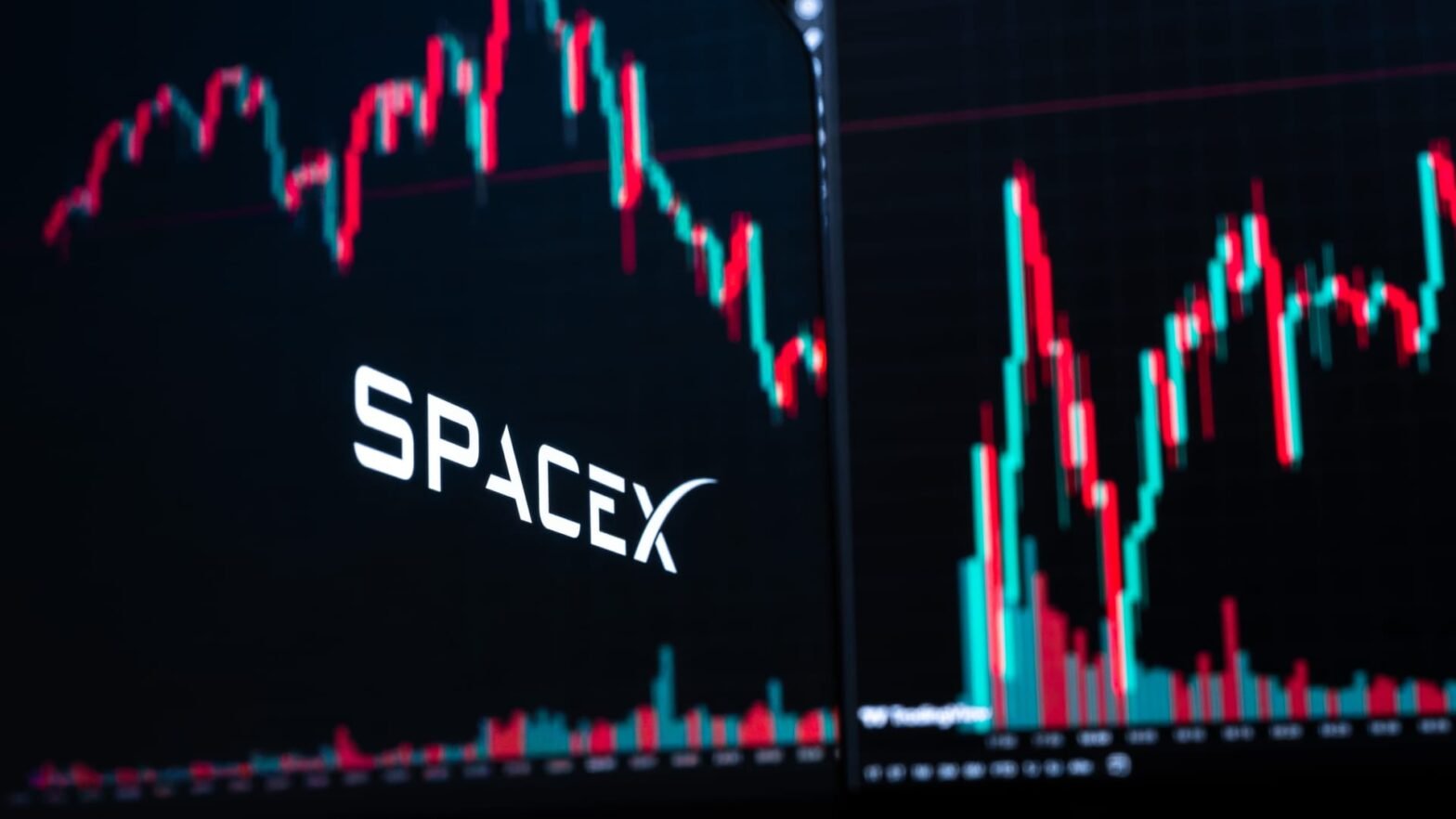
Perp market traders had a form of early access to SpaceX, and the trading closely aligned with later prices in the stock market.
As bankers hustled behind closed doors to price the deal and reporters indicated a first price of as high as $175, SpaceX perp-traders on Hyperliquid were buying and selling futures as high as $180 around the opening bell and as low as $153 just before the first trade came in at $150.
“Where there’s opportunity for liquidity, savvy people will find ways to get it,” said David Schamis, founding partner at Atlas Merchant Capital and CEO of Hyperliquid Strategies, a Treasury reserve strategy that owns Hyperliquid cryptocurrency tokens. “This is not just retail people punting for the fun of it. The perps are leading and so far those that have been listed before IPOs have done a pretty damn good job.”
More than 7 million SpaceX perps traded on Hyperliquid on Friday for more than $1.2 billion in volume, according to exchange data compiled by CNBC. Meanwhile, about 500 million shares of SpaceX traded in its debut session.
After hitting a high of $176.52, the stock closed at $160.95, giving SpaceX a Day-1 market capitalization of over $2.1 trillion.

SpaceX, 1 day
The accuracy of the perp pricing for such a high-profile event keeps pressure on traditional exchanges who have to keep up with the rapid evolution of investment products and asset classes like event contracts and perpetual futures.
Earlier this month shares of CME, Cboe and Nasdaq all slid when event-contracts giant Kalshi announced it will offer perpetual futures under the supervision of the Commodity Futures Trading Commission.
To be sure, by “traditional finance” standards, the SpaceX IPO went about as smooth as it could, particularly given the deal’s unprecedented size.
“The bankers priced it perfectly – not too high, not too low,” Jared Dillian, author of the Daily Dirtnap, said via phone. “You want a little bit of a pop on the IPO to reward shareholders but if it’s too big a pop, SpaceX would have left money on the table. I was impressed. There were no trading problems. It went off without a hitch.”
For cryptocurrency advocates, providing a whole new dimension of trading for the world’s biggest stocks and securities on “decentralized” exchanges like Hyperliquid is a much-needed success story for blockchain technology as a serious Wall Street disruptor. Bitcoin’s been underperforming stocks for over a year-and-a-half, and digital asset Treasury companies like Strategy have gotten pummeled.
Meanwhile, Hyperliquid’s own tradeable token is up over 150% this year, according to CoinMarketCap data.
“Perps are the best way to bring real-world assets on-chain,” Atlas’s Schamis said. “Bitcoin may go up, might go down, who knows, but the crypto rails built around it are what’s really going to endure for many years. Hyperliquid is by far the best example of that.”