The U.S. stock market has rocketed higher in 2026 amid impressive corporate financial results, especially from artificial intelligence infrastructure companies in the technology sector. The S&P 500 (SNPINDEX: ^GSPC) and the Nasdaq Composite (NASDAQINDEX: ^IXIC) have advanced 12% and 13%, respectively, year to date.
However, stock market investors recently got worrisome news from Treasury Secretary Scott Bessent. In response to elevated yields, he announced a more robust bond buyback program that could contribute to inflation, potentially pushing the Federal Reserve toward interest rate increases. And new rate-increase cycles have often led to market corrections in the past.
Missed Nvidia in 2009? This Rare Signal Is Flashing Again. In 2009, a “Double Down” signal flashed for a little-known chipmaker called Nvidia. For the first time in years, that same “Total Conviction” signal is flashing for a company 1/100th the size of Nvidia. Continue »
Here are the important details.
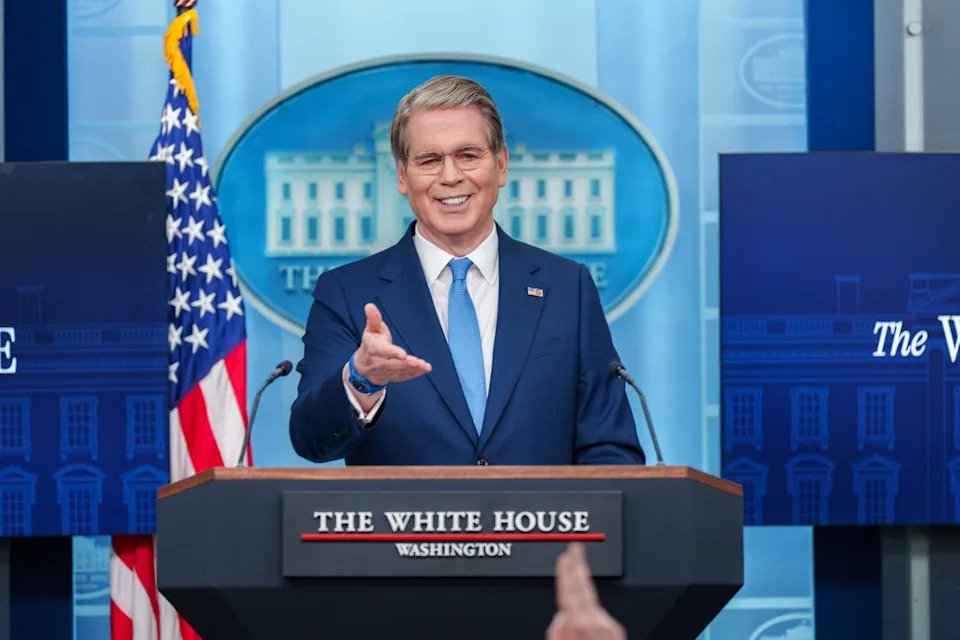
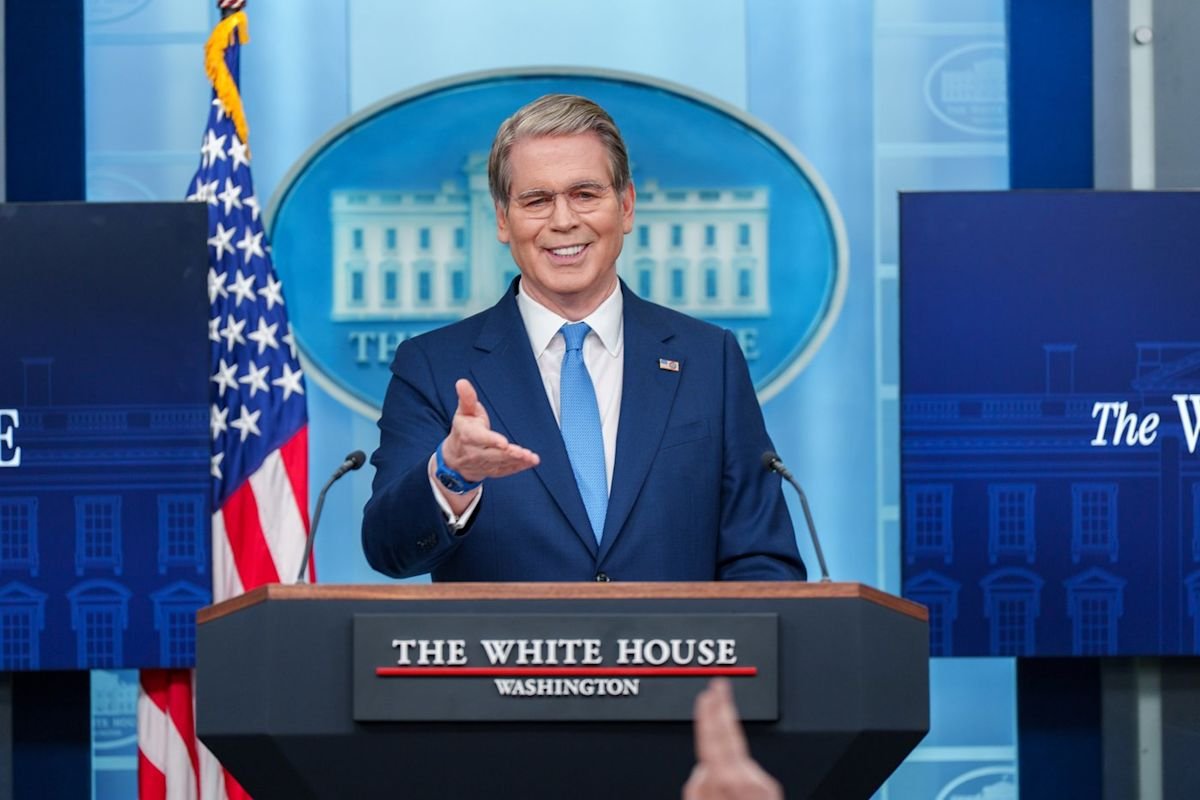
U.S. Treasury Secretary Scott Bessent delivers remarks at a press briefing. Image source: Official White House Photo.
Treasury Secretary Scott Bessent doubled the cash available for bond buybacks per weekly operation
Several factors have recently driven Treasury bond yields higher at the long end of the yield curve, meaning bonds with maturities ranging from 10 years to 30 years. In fact, the yield on the 30-year Treasury was 5.31% when the market closed on Aug. 17, the highest level since June 2007. Three factors contributing to soaring yields are as follows:
-
First, Treasury bond issuance is expected to increase in the future because the U.S. government will need more cash to cover persistent deficit spending and interest payments on outstanding debt. Investors concerned by that possibility have been selling Treasury bonds.
-
Second, Treasury bond demand has decreased because of a recent increase in corporate bond issuance. More companies have turned to debt markets to fund investments in artificial intelligence infrastructure. Diminished demand means Treasury bonds are fetching lower prices than they otherwise would have.
-
Third, inflation has run hotter than the Federal Reserve’s target for more than five years, but Chair Kevin Warsh has promised to restore price stability. That hints at interest rate increases, and investors expecting higher rates on Treasury bonds in the future are selling Treasury bonds today.
The U.S. Treasury Department routinely buys back older government bonds from investors before they reach maturity. Initially, the department said it would purchase up to $2 billion in bonds per weekly operation from Sept. 9 through Nov. 4. However, Bessent last week raised that total to “at least $4 billion per operation.”
Bessent’s decision could push the Federal Reserve toward interest rate increases
Bessent wants to buy back more Treasury bonds because he thinks yields are higher than current economic conditions warrant. “All we’re trying to do is get people to focus on the fundamentals and not trade the headlines during a quiet period in a thin market,” he told CNBC.
However, bond buybacks (which aim to reduce yields by raising prices) are a superficial fix. They treat the symptoms, not the cause. In other words, buybacks may lower yields, but the impact will probably be temporary because they don’t address the factors that contributed to higher yields in the first place, including elevated inflation, abundant corporate bonds, and national debt.
In addition, if the U.S. Treasury Department’s buyback program successfully lowers yields at the long end of the curve, it may reduce borrowing costs and loosen financial conditions, potentially contributing to inflation. That’s because long-dated Treasury bonds are a benchmark for other long-term debt; when Treasury yields drop, other long-term debt usually becomes less expensive.
Here’s the bottom line: Warsh, who has on several occasions vowed to deliver price stability, must now navigate another potentially inflationary policy. The market anticipates a quarter-point interest rate increase in December, and Bessent’s decision to expand the Treasury Department’s buyback program makes that increase a little more likely.
That’s bad news for stock market investors. The Federal Reserve has initiated four rate-increase cycles since 1999, and the S&P 500 and Nasdaq Composite have generally dropped into market correction territory afterward. In fact, following the first increase in the past four cycles, the S&P 500 and Nasdaq fell by an average of 10% and 15%, respectively, at some point in the next three months.
Should you buy stock in S&P 500 Index right now?
Before you buy stock in S&P 500 Index, consider this:
The Motley Fool Stock Advisor analyst team just identified what they believe are the 10 best stocks for investors to buy now… and S&P 500 Index wasn’t one of them. The 10 stocks that made the cut are built for long-term growth and could produce monster returns in the coming years.
Consider when Netflix made this list on December 17, 2004… if you invested $1,000 at the time of our recommendation, you’d have $443,461!* Or when Nvidia made this list on April 15, 2005… if you invested $1,000 at the time of our recommendation, you’d have $1,307,633!*
That performance is why people listen. With a track record of beating the S&P 500 by nearly 5x, Stock Advisor offers a distinct advantage. Don’t miss the latest top 10 list, available with Stock Advisor, and join an investing community built for the long haul.
*Stock Advisor returns as of August 27, 2026.
Trevor Jennewine has no position in any of the stocks mentioned. The Motley Fool has no position in any of the stocks mentioned. The Motley Fool has a disclosure policy.
Stock Market Investors (and the Federal Reserve) Just Got Bad News from Treasury Secretary Scott Bessent was originally published by The Motley Fool