Wall Street’s three major averages on Wednesday showed little reaction, holding on to their solid gains from earlier, after the Federal Reserve held its key monetary policy rate steady as widely expected.
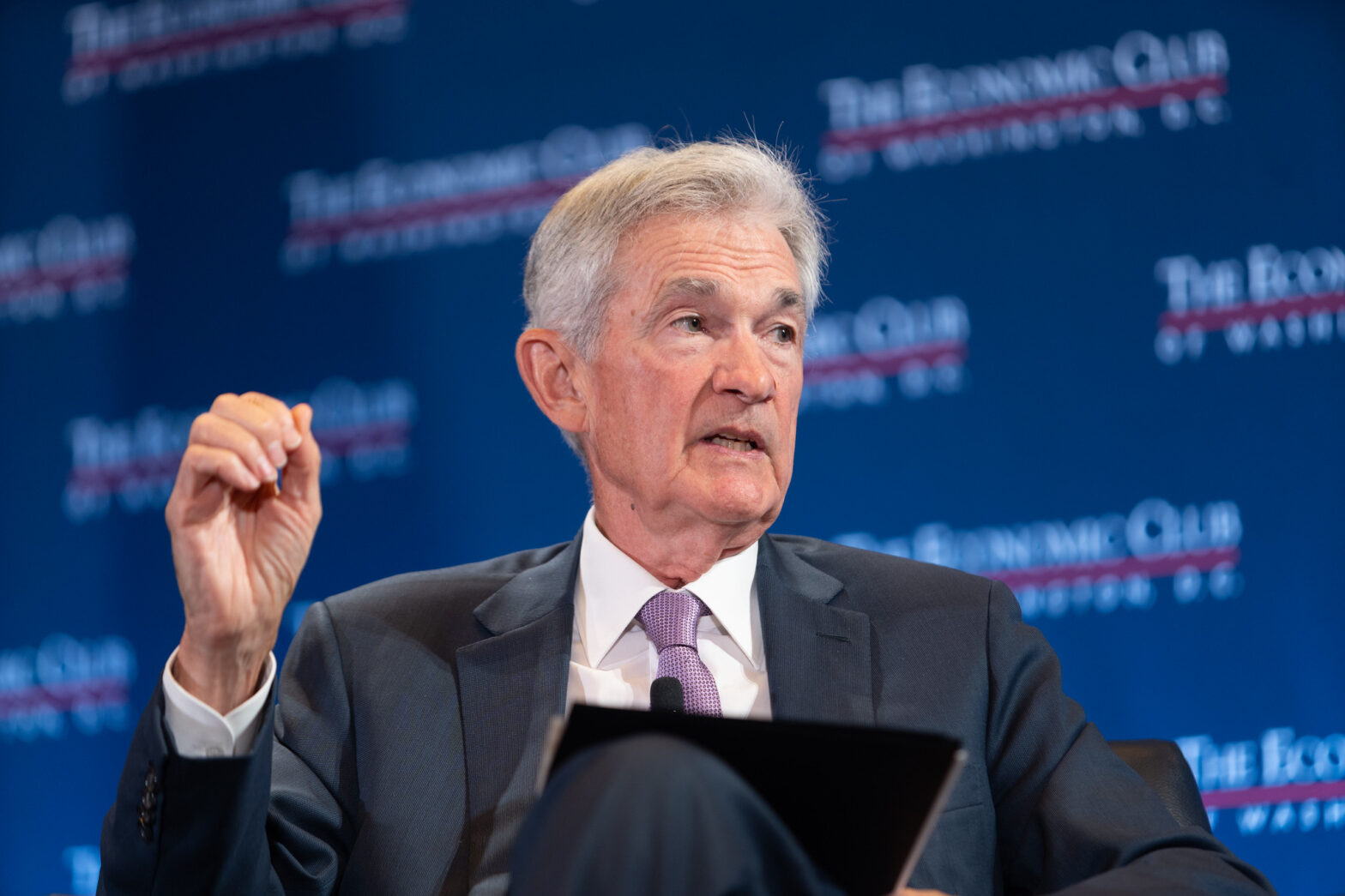
The attention is now on Fed chief Jerome Powell at his post-meeting press conference at 1430 ET. Traders are hoping that the central bank chair will signal policy easing in September.
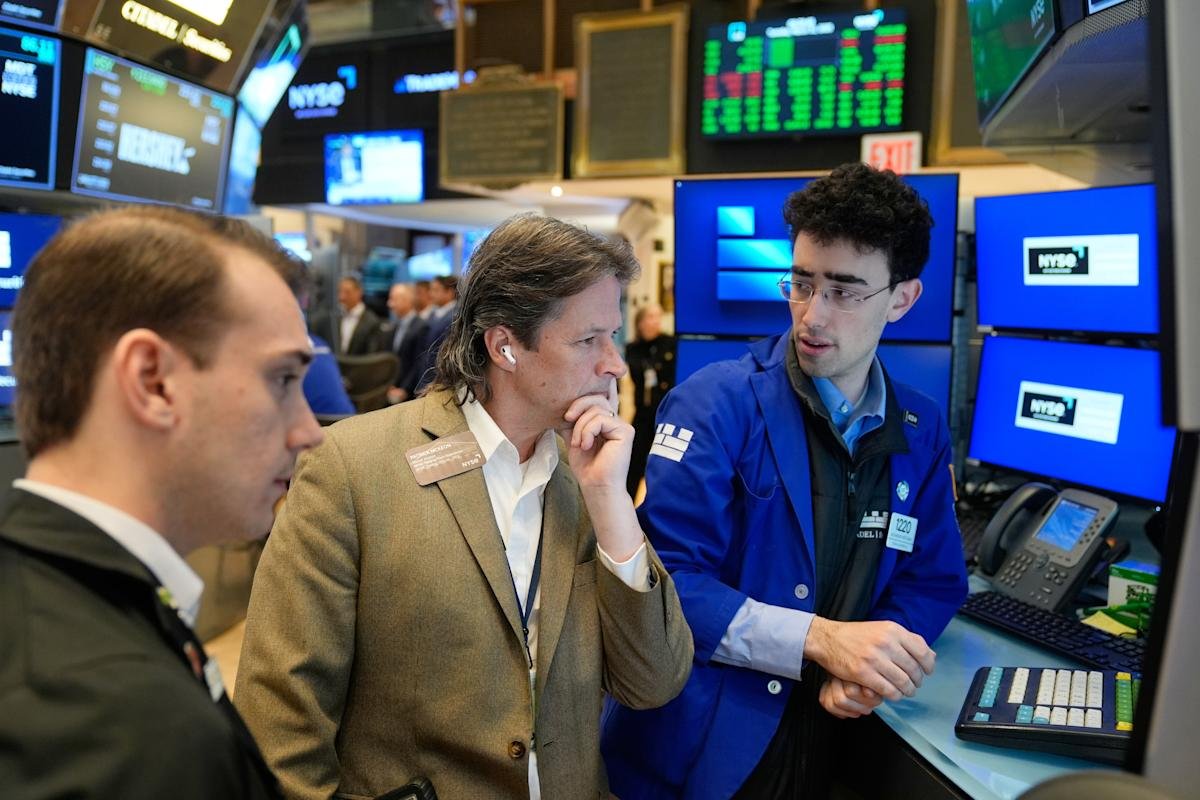
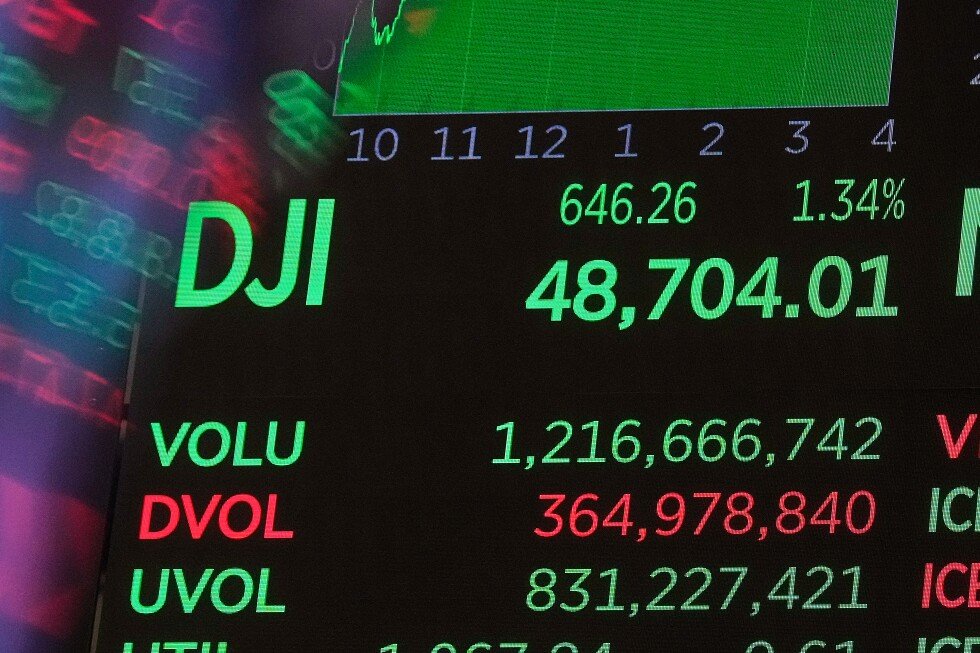
Minutes after the rate decision, the tech-heavy Nasdaq Composite (COMP:IND) was last up 2.25% to 17,532.92 points in afternoon trade, set for its best intraday performance since a 2.96% jump on February 22. The benchmark S&P 500 (SP500) had added 1.44% to 5,514.88 points, while the Dow (DJI) was higher by 0.64% to 41,005.91 points.
U.S. Treasury yields remained largely mixed. The longer-end 30-year yield (US30Y) was down about 3 basis points to 4.37%, while the 10-year yield (US10Y) was down 1 basis point to 4.13%. The shorter-end, more rate-sensitive 2-year yield (US2Y) was up marginally to 4.39%.
See live data on how Treasury yields are doing across the curve on the Seeking Alpha bond page.
The Federal Open Market Committee (FOMC) held the federal funds rate steady at 5.25%-5.50%, a largely given outcome.
“Recent indicators suggest that economic activity has continued to expand at a solid pace. Job gains have moderated, and the unemployment rate has moved up but remains low. Inflation has eased over the past year but remains somewhat elevated. In recent months, there has been some further progress toward the Committee’s 2 percent inflation objective,” the FOMC said in a statement.
With favorable data on inflation and the labor market coming in recently, Wall Street has strengthened its bets for a 25 basis point interest rate cut in September. Many are hoping for some decisive talk from Fed chair Powell at his upcoming press conference.
“FOMC holds rates steady. No explicit signal of a September rate cut, but some very meaningful changes in the top of the statement: – The dual mandate is back. – Inflation has been downgraded from ‘elevated’ to ‘somewhat elevated’,” the Wall Street Journal’s Fed watcher Nick Timiraos said on X (formerly Twitter).
Earlier, a powerful rebound in chip stocks had set the Nasdaq (COMP:IND) on track for its best single day gain in just over five months.
Market participants are looking ahead to quarterly results from Meta Platforms (META), especially after Alphabet (GOOG)(GOOGL) and Microsoft (MSFT) disappointed investors with their increased spending on artificial intelligence.
Nvidia (NVDA) surged 10%, after Morgan Stanley re-added the chip giant to its top picks list following the stock’s recent selloff. Advanced Micro Devices (AMD) was up more than 2%, after the world’s second-largest maker of personal computer processors issued current quarter revenue guidance that was above consensus estimates.
Chip designers Qualcomm (QCOM) and Arm (ARM) are scheduled to report their quarterly results after the closing bell.
Among other movers, Boeing (BA) was up more than 4%, after the struggling planemaker named aerospace veteran and former Rockwell Collins executive Kelly Ortberg as its new top boss and president. Ortberg is tasked with the difficult job of turning Boeing’s (BA) reputation around, with the company earlier reporting a core operating loss of $1.39B for Q2.
Microsoft (MSFT) slipped 1%, after the tech behemoth’s cloud business missed on revenue and its quarterly capital expenditure swelled to $19B.
Turning to Wednesday’s economic calendar, ADP’s jobs report before the opening bell showed private sector employment growing by 122K in July, significantly lower than the consensus figure of 154K. Shortly after, a key gauge of Q2 U.S. labor costs rose lesser than anticipated while also slowing down from the previous quarter.