On September 10, 2026, U.S. stock indexes declined due to rising oil prices over $105 a barrel and increasing Treasury yields, raising inflation concerns and impacting investor confidence amid geopolitical tensions affecting crude supplies.
By William Collins, consultant in stock markets – Eurasia Business News, September 10, 2026. Article no 3155
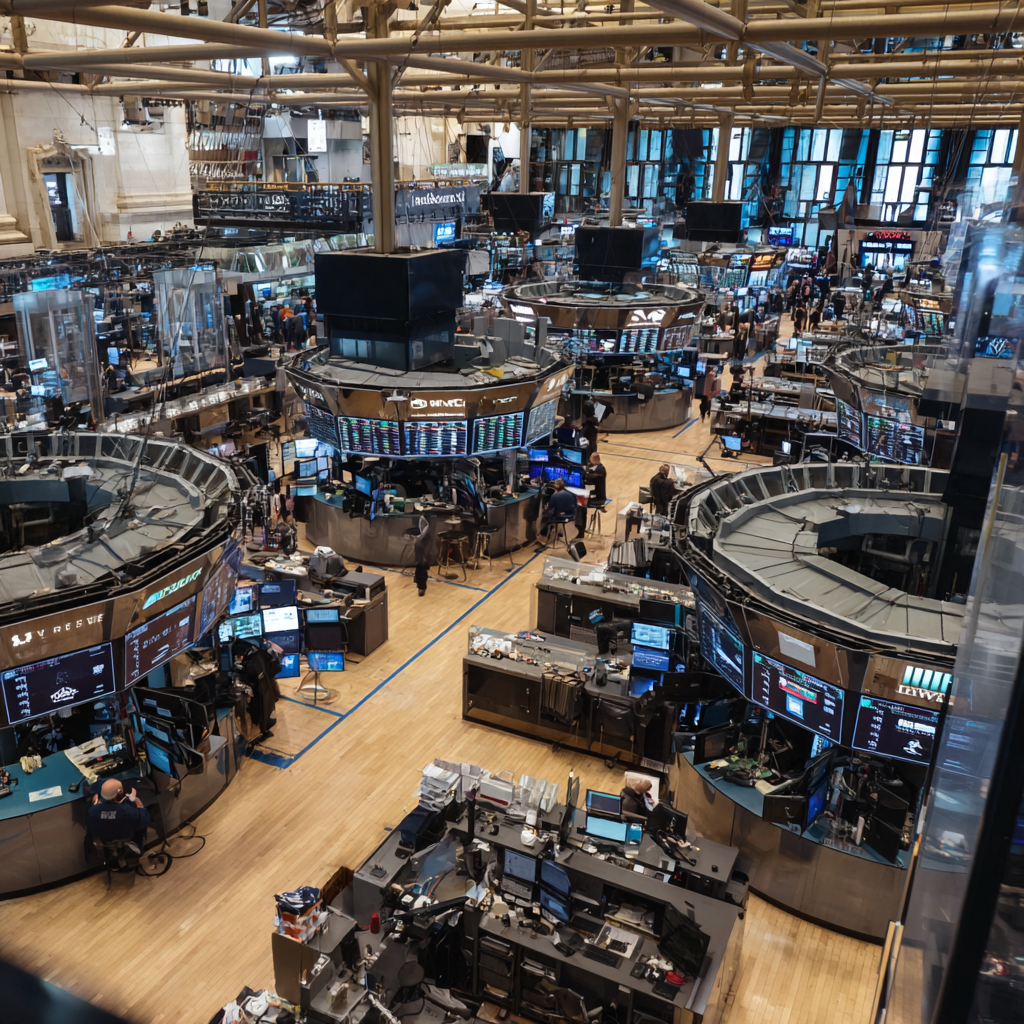
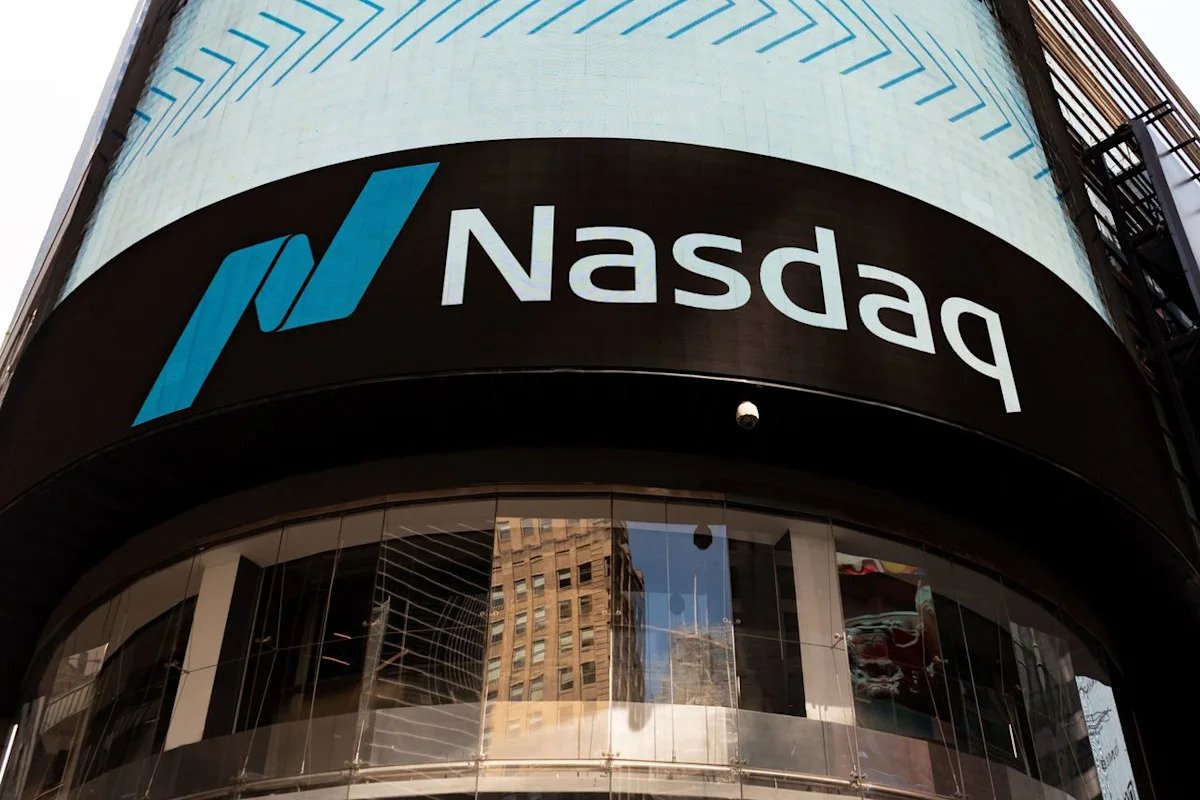
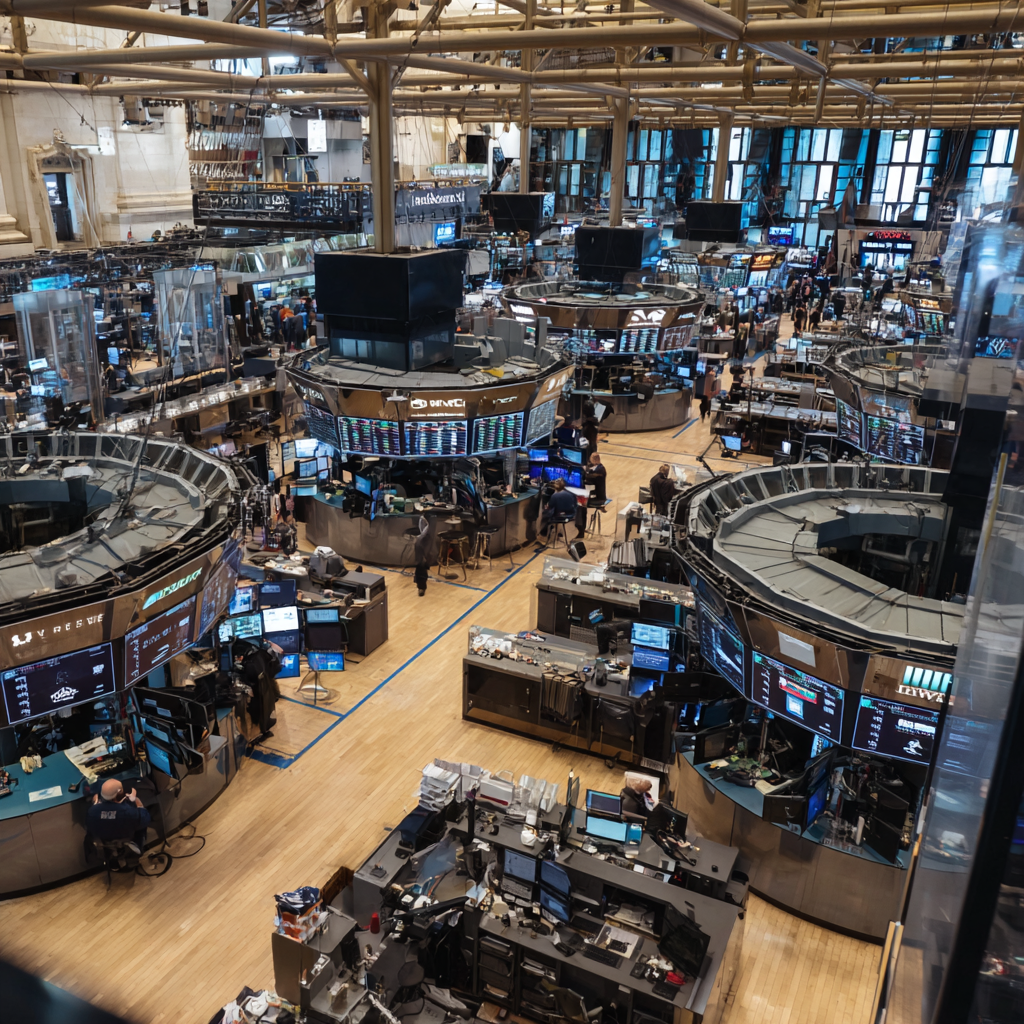
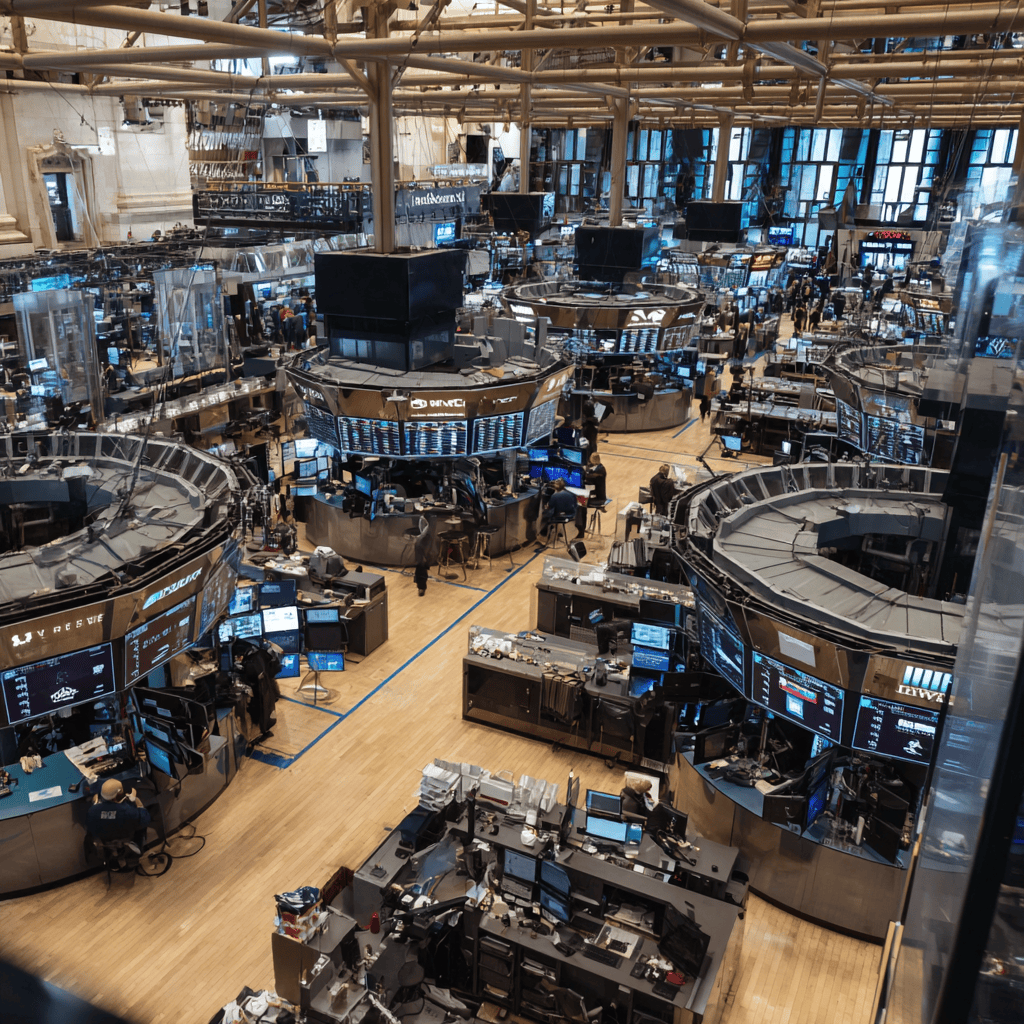
Wall Street traded lower on Thursday, September 10, as a fresh surge in oil prices and a sharp rise in Treasury yields revived concerns about inflation and higher U.S. interest rates. Brent crude briefly climbed above $105 a barrel, while the Dow Jones Industrial Average, S&P 500 and Nasdaq Composite extended their recent pullback after August wholesale inflation data reinforced the market’s cautious tone.
The session marked a difficult combination for investors: rising energy costs threaten corporate margins and consumer purchasing power, while higher bond yields increase borrowing costs and pressure stock-market valuations. The latest moves came as the conflict affecting Middle East shipping routes continued to cloud the global outlook for crude supplies.
Dow, S&P 500 and Nasdaq Fall
The major U.S. stock indexes were all lower in late-morning New York trading. The Dow Jones Industrial Average fell 0.5%, the S&P 500 lost 0.6% and the technology-focused Nasdaq Composite declined 0.8%, according to intraday market data provided.
At about 9:59 a.m. ET, the Dow was down 312.92 points, or 0.60%, at 52,067.74. The S&P 500 dropped 55.02 points, or 0.72%, to 7,581.17, while the Nasdaq Composite declined 226.85 points, or 0.86%, to 26,026.49.
The weakness represented a fourth consecutive negative session for the main U.S. indexes. Consumer staples were among the few sectors showing relative strength, as investors favored defensive companies with steadier demand. Materials stocks were the weakest S&P 500 group, reflecting concern that a combination of higher energy costs, bond yields and restrictive financial conditions could slow industrial activity.
Individual equity moves were substantial. SpaceX shares rose 4.1%, while Freeport-McMoRan fell 7.7%, underlining the uneven impact of the market’s commodity-driven volatility.
Brent Crude Breaks $105
Oil prices accelerated after renewed attacks on shipping raised concerns over disruption across the Strait of Hormuz and the Red Sea. Brent crude futures rose roughly 4% to $105.26 per barrel by 12:15 GMT, while U.S. West Texas Intermediate crude climbed 4.15% to $100.04 a barrel.
Read also : The Million-Dollar Retirement Blueprint for U.S. citizens in 2026
The escalation follows the U.S. military’s reported destruction of five Iranian crude tankers in the Gulf of Oman and near Kharg Island. U.S. Central Command said the operation responded to Iran’s alleged ballistic-missile attacks against a U.S. warship over two days.
Brent’s advance is important because the benchmark had only returned above $100 on September 9, settling at $101.21. The move above $105 points to a rapid reassessment of geopolitical supply risk as traders monitor vessel traffic, maritime insurance costs and the security of critical Middle East energy routes.
PPI Data and Treasury Yields
The August Producer Price Index rose 0.4% month over month, matching economists’ consensus estimate and accelerating from a revised 0.1% increase in July. On an annualized basis, producer prices increased 5.4%, slightly above the 5.3% forecast in a Reuters poll.
The data reinforced the perception that inflation risks remain elevated, particularly against a backdrop of sharply higher oil prices. Initial jobless claims also fell by less than expected, offering little immediate evidence of a rapid weakening in the labor market.
Treasury yields surged as investors recalibrated expectations for next week’s Federal Reserve meeting. The 2-year Treasury yield rose about 9 basis points to 4.52%, while the benchmark 10-year yield increased around 8 to 9 basis points to approximately 4.92%–4.93%. The 30-year yield advanced to about 5.34%.
Read also : Gold : Build Your Wealth and Freedom
Higher yields create a double challenge for equities. They raise the financing cost for households and businesses, and they make safer government bonds more competitive with stocks. Growth and technology shares can be especially sensitive because their valuations rely more heavily on future earnings.
Gold Price at $4,385
Gold prices retreated as the stronger dollar and rising Treasury yields outweighed safe-haven demand tied to Middle East tensions. Spot gold traded at about $4,385.40 per ounce by 11:25 GMT, down 0.4%, while December U.S. gold futures fell 0.7% to $4,427.80.
The live price data supplied for September 10 showed a later and sharper decline, with spot gold quoted near $4,360.60 per ounce at 11:14 a.m. New York time. The metal was down $41.10, or 0.93%, on the day, after trading in an intraday range of roughly $4,323.30 to $4,432.10.
Gold’s weakness illustrates the tension in the market. Geopolitical stress normally supports demand for safe-haven assets, but a rise in interest-bearing Treasury yields increases the opportunity cost of holding non-yielding bullion.
What Markets Are Watching
The next major test for Wall Street is Friday’s Consumer Price Index report. Investors will watch for signs that the oil-price shock is feeding into broader inflation, potentially strengthening the case for the Federal Reserve to keep rates high—or raise them again.
With Brent above $105, WTI near $100 and the 10-year Treasury yield close to 4.93%, markets remain vulnerable to further volatility. The path of Middle East shipping disruptions, U.S. inflation data and Federal Reserve policy expectations will determine whether the current stock-market slide deepens or stabilizes.
Our community already has nearly 330,000 readers!
Subscribe to our Telegram channel
Follow us on Telegram, Facebook and Twitter
© Copyright 2026 – Eurasia Business News. Article no. 3155