
U.S. stocks fell sharply on September 8, 2026, driven by rising oil prices and tensions in the Middle East, significantly impacting the Dow, S&P 500, and healthcare stocks, particularly Amgen.
By William Collins, consultant in stock markets – Eurasia Business News, September 8, 2026. Article no 3150
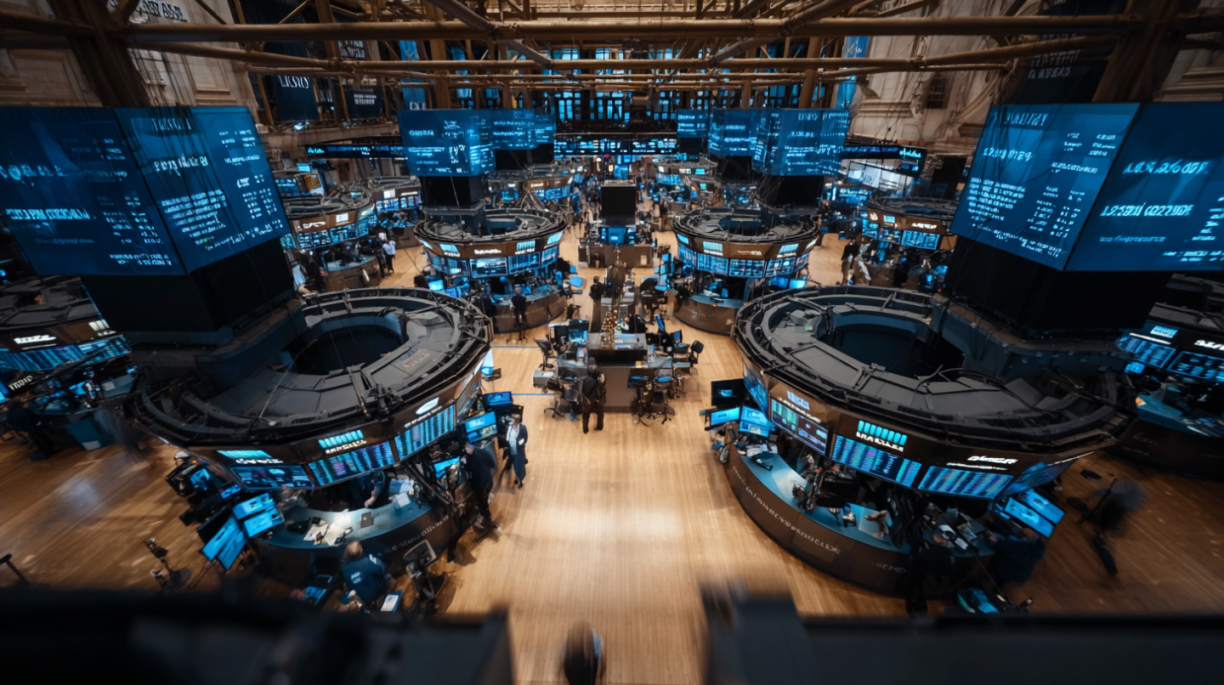
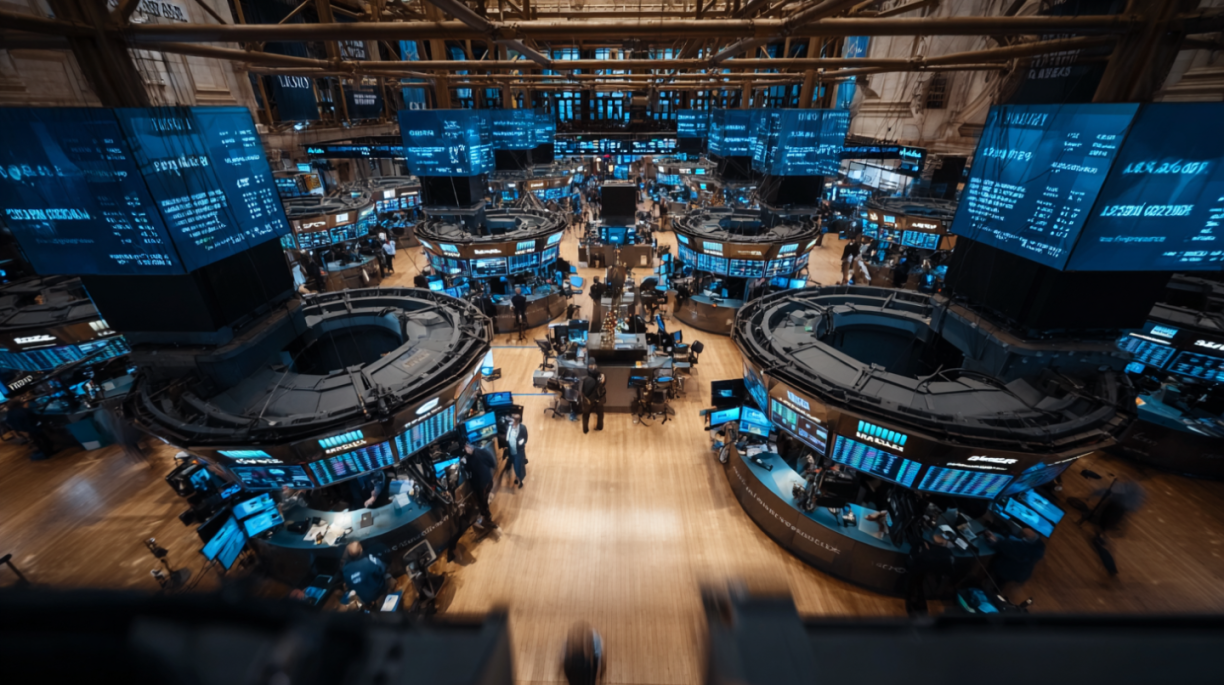
U.S. stocks ended sharply lower on Tuesday, September 8, as surging oil prices and renewed Middle East conflict revived investor concerns about inflation. The Dow Jones Industrial Average fell 628 points, while the S&P 500 and Nasdaq Composite also declined as Wall Street returned from the Labor Day holiday weekend.
The sell-off came as Brent crude briefly approached $100 a barrel following attacks by Iran-backed Houthi militants on Saudi energy facilities. Investors also reacted to a steep decline in Amgen shares, which weighed heavily on the health-care sector and the price-weighted Dow.
Dow Jones Leads Wall Street Decline
The Dow Jones Industrial Average closed down 628.18 points, or 1.2%, at 52,786.07. The S&P 500 lost 45.08 points, or 0.6%, to finish at 7,673.52, while the Nasdaq Composite fell 85.58 points, or 0.3%, to 26,421.41.
The market decline marked a cautious return to trading after Wall Street was closed on Monday for Labor Day. The Dow’s comparatively larger loss reflected weakness in several blue-chip companies, particularly Amgen, and concern that higher oil prices could force central banks to remain restrictive for longer.
Energy prices matter to equity investors because they influence inflation, consumer spending, corporate profit margins and interest-rate expectations. If crude remains elevated, companies may face higher transport, manufacturing and input costs. Households can also see higher spending on fuel and energy, leaving less income available for other purchases.
Technology stocks were relatively more resilient than the broader market, helping limit losses for the Nasdaq. Nevertheless, the overall risk-off mood showed that investors remained focused on geopolitical developments rather than company-specific earnings prospects.
Amgen Shares Drag Health-Care Stocks
Amgen was among the biggest drags on the Dow and the S&P 500 health-care sector. The biotechnology company’s shares fell about 10%, marking their largest one-day decline since October 2000.
The decline followed disappointing trial news from rival pharmaceutical company Novartis. Novartis said its experimental cardiovascular drug pelacarsen failed to reduce cardiovascular events compared with a placebo in a major study. Although Amgen was not the company reporting the result, the news raised broader concerns about the prospects for similar treatments and the competitive landscape in cardiovascular medicine.
The reaction illustrates how drug-development news can affect an entire sector. A late-stage trial failure may lead investors to reassess related therapies, expected sales opportunities and the value of research pipelines across several pharmaceutical companies.
Read also : Tax Management strategies for Digital Nomads
Health care became the S&P 500’s worst-performing sector during the session, intensifying pressure on the broader market. Because Amgen is a high-priced Dow component, its fall had an outsized effect on the index, which is weighted by stock price rather than total market value.
Oil Prices Rise After Houthi Attacks
Oil was the day’s central macroeconomic story. Brent crude, the international benchmark, climbed toward $100 per barrel and reached an intraday high near $99.45 before easing. It settled close to $98, still roughly 1% higher for the session. West Texas Intermediate crude ended near $93, its highest closing level since early June.
The gains followed Houthi attacks on Saudi energy infrastructure. Saudi Arabia is one of the world’s most important oil exporters, and any threat to its production, refining operations, ports or transport networks can rapidly lift global crude prices. Reports of explosions near Iran’s Kharg Island—Tehran’s principal oil-export hub—added to concerns about a wider regional supply disruption.
Oil-market reaction reflects not only current production losses but also the risk premium traders add when supply routes become vulnerable. The Strait of Hormuz and nearby sea lanes are strategically important for global oil and liquefied-natural-gas shipments. A prolonged disruption could tighten supply, increase freight and insurance costs, and put further upward pressure on global energy prices.
Gold Price Today
Gold prices fell despite the rise in geopolitical risks. The precious metal traded around $4,400 per ounce late Tuesday, down approximately 1.7% on the day.
Normally, conflict and financial-market uncertainty can support gold because investors treat it as a safe-haven asset. On September 8, however, the metal faced pressure from higher Treasury yields and expectations that elevated oil prices could prolong inflation. If investors anticipate tighter monetary policy or higher interest rates, non-yielding assets such as gold can become less attractive relative to bonds and cash.
Read also : Gold : Build Your Wealth and Freedom
The gold price movement showed that safe-haven demand was outweighed by concern over the interest-rate outlook. Investors appear to be balancing two competing forces: geopolitical uncertainty, which can favor bullion, and higher yields, which can weigh on it.
What Investors Are Watching
The market outlook now depends heavily on whether Middle East tensions escalate further and whether crude prices break decisively above $100 per barrel. A sustained oil rally could complicate the inflation outlook and pressure stocks, especially energy-intensive industries, consumer companies and rate-sensitive sectors.
Investors will also monitor upcoming U.S. inflation data, Federal Reserve expectations and further developments affecting Saudi and Iranian energy infrastructure. For now, Tuesday’s trading session delivered a clear warning: as oil climbs, inflation concerns are returning to the forefront of the stock market.
Our community already has nearly 320,000 readers!
Subscribe to our Telegram channel
Follow us on Telegram, Facebook and Twitter
© Copyright 2026 – Eurasia Business News. Article no. 3150