Stock Market Today: Dow, S&P 500, Nasdaq Futures Trade Flat After Wall Street’s Record-Breaking Rally Fizzles Out
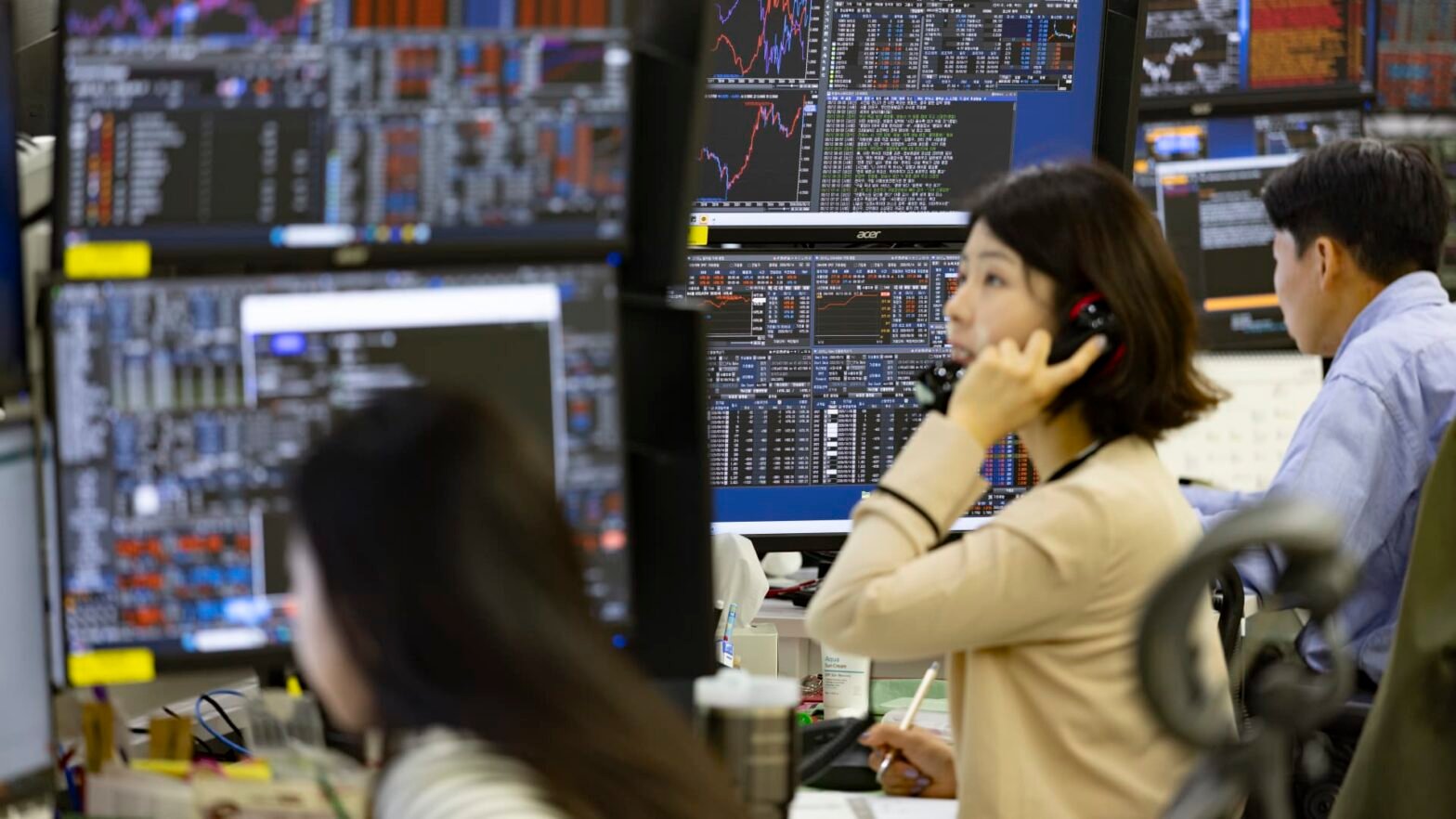
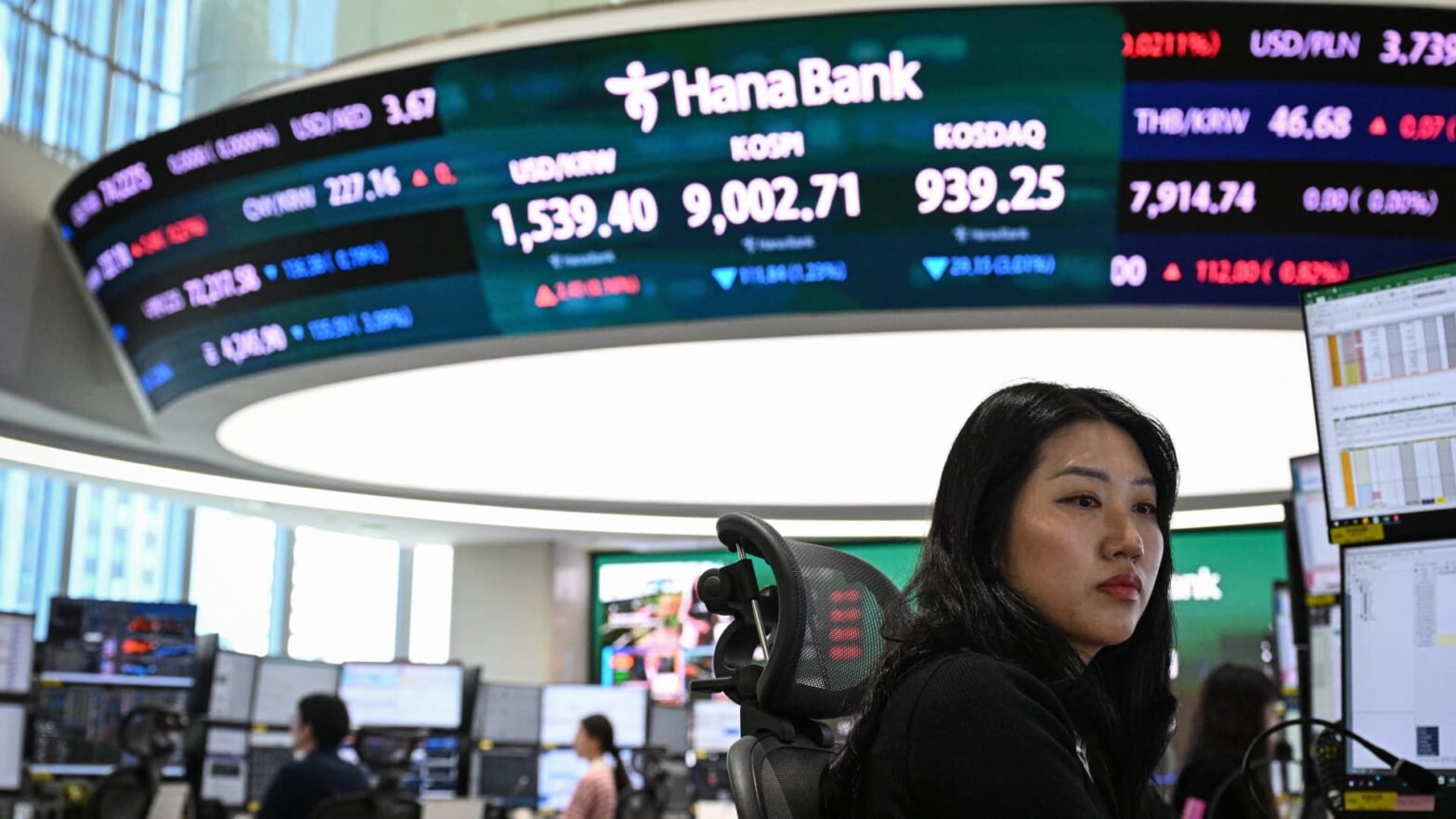
As we dive into the latest happenings in the stock market today, one cannot overlook the impact of a recent rally that saw Wall Street reaching record heights, only to face a period of stagnation. The Dow Jones Industrial Average, S&P 500, and Nasdaq futures are all experiencing a flat trading day, reflecting a moment of pause in the ongoing market dynamics. This article will explore the factors contributing to this behavior, the implications for investors, and what to watch moving forward.
Recent Market Performance
A Brief Overview of Wall Street’s Rally
In the weeks leading up to this flat trading period, Wall Street experienced a remarkable rally, where major indices broke through resistance levels and set new all-time highs. For instance, the Dow Jones Industrial Average surged past the 35,000 mark for the first time, showcasing investor confidence driven by strong corporate earnings reports and an optimistic economic outlook.
This rally was not isolated to just the Dow; the S&P 500 and Nasdaq also saw significant gains. Technology stocks, in particular, were key drivers of the Nasdaq’s ascent, buoyed by robust performance from major players like Apple, Microsoft, and Amazon. The tech sector’s performance, combined with a resurgence in consumer spending and a booming job market, created an environment ripe for investment.
The Current Flat Trading
However, the robust momentum has recently fizzled out, leading to a flat trading day for the three major indices. As of the latest updates, futures for the Dow, S&P 500, and Nasdaq were all hovering around the same levels as investors took a step back to reassess their positions. The reasons for this pause are multi-faceted and warrant closer examination.
Factors Influencing the Market
Economic Indicators and Their Impact
One of the primary reasons for the current flat trading is the mixed signals coming from economic indicators. While consumer spending and employment figures have shown resilience, inflation continues to pose challenges. The Consumer Price Index (CPI) has shown an uptick, raising concerns among economists and policymakers.
The Federal Reserve’s monetary policy remains a significant concern for investors. Any indication of interest rate hikes or changes in asset purchasing programs can lead to volatility in the markets. For instance, following recent meetings, Fed Chair Jerome Powell hinted at potential tightening of monetary policy, which sent shivers through the market as investors braced for potential impacts on borrowing costs.
Corporate Earnings Reports
Another contributing factor is the ongoing earnings season. Although many companies have reported better-than-expected results, there are growing concerns about future guidance amid rising costs and supply chain disruptions. Major corporations like Procter & Gamble and Coca-Cola have noted increased input costs, which may impact profit margins. Investors are increasingly focusing on how companies plan to navigate these challenges, and any signs of weakness can trigger profit-taking behavior.
Global Events
Additionally, global events continue to influence market sentiment. For instance, geopolitical tensions or developments in international trade can create uncertainty, leading investors to adopt a more cautious approach. The ongoing situation in Eastern Europe and its potential implications for energy prices and supply chains are on the radar of many investors. Recent sanctions and military movements have heightened concerns about potential disruptions in energy supplies, which could further exacerbate inflationary pressures.
Investor Sentiment and Strategies
Cautious Optimism
Despite the current flat trading, investor sentiment remains cautiously optimistic. Many analysts believe that the underlying fundamentals of the economy remain strong, and the recent rally showcased the potential for continued growth. The job market, for instance, has shown resilience, with unemployment rates trending lower, which typically supports consumer spending.
However, the prevailing sentiment is one of vigilance, as investors look for signs that could indicate the next move in the market. Analysts advise investors to keep a close eye on upcoming economic reports and corporate earnings guidance.
Diversification and Risk Management
In response to current market conditions, many investors are considering diversification strategies to mitigate risks. Allocating assets across different sectors, including defensive stocks and bonds, can provide a buffer against potential downturns while still allowing for participation in the market’s growth segments. For example, sectors like utilities and consumer staples often perform well during economic uncertainty.
Investors are also encouraged to monitor their portfolios actively, adjusting their strategies based on real-time data and market shifts. Utilizing stop-loss orders to protect gains and limit losses can be an effective strategy in a volatile environment.
What to Watch Moving Forward
Key Economic Reports
As we move forward, several key economic reports will be critical in shaping market sentiment. Investors will be closely monitoring the upcoming employment data, consumer confidence indices, and inflation reports to gauge the health of the economy. For instance, the upcoming Nonfarm Payrolls report is highly anticipated, as it will provide insights into job growth and wage increases, both of which are crucial for consumer spending.
Any surprises in these metrics could lead to significant market reactions. A strong jobs report, for example, might signal economic strength and encourage more investment, while a disappointing report could have the opposite effect.
Federal Reserve Announcements
The Federal Reserve’s stance on interest rates and monetary policy will also play a pivotal role in market dynamics. With inflationary pressures mounting, any hints at tightening monetary policy could lead to increased volatility in the stock market. Investors will be keenly watching the Fed’s next meeting for any signals regarding interest rate changes.
Corporate Earnings Guidance
Finally, as companies continue to report their quarterly earnings, guidance on future performance will be a crucial factor to watch. Investors will seek clarity on how businesses plan to address ongoing challenges such as supply chain issues and rising costs. Positive guidance could reignite investor interest, while negative outlooks may further dampen sentiment.
Conclusion
In summary, the stock market today is characterized by a flat trading environment for the Dow, S&P 500, and Nasdaq, following a period of record-breaking gains. Investors are currently navigating a landscape filled with mixed economic signals, corporate earnings reports, and global events that could sway market dynamics. While the recent rally has come to a halt, cautious optimism prevails among investors as they prepare for the challenges and opportunities that lie ahead.
FAQ
1. What caused the recent stock market rally?
The recent stock market rally was primarily driven by strong corporate earnings, positive economic indicators, and investor confidence in the economic recovery post-pandemic.
2. Why are the indices trading flat today?
The flat trading is attributed to mixed economic signals, ongoing earnings reports, and global uncertainties that have led investors to reassess their positions.
3. How can investors manage risk in a volatile market?
Investors can manage risk by diversifying their portfolios, incorporating defensive stocks, and closely monitoring economic indicators and corporate earnings.
4. What economic reports should investors watch?
Key economic reports include employment data, consumer confidence indices, and inflation reports, all of which can impact market sentiment.
5. How does the Federal Reserve influence the stock market?
The Federal Reserve influences the stock market through its monetary policy decisions, particularly regarding interest rates and asset purchases, which can affect investor sentiment and market conditions.
This exploration into the current state of the stock market underscores the importance of staying informed and adaptable in a constantly changing economic landscape. Investors are encouraged to remain vigilant and proactive as they navigate the complexities of the market.

John M. Anderson
Editor in Chief
John M. Anderson
John has over 15 years of experience in American media, previously working with The Washington Post and Politico. He specializes in U.S. politics and policy analysis, ensuring every piece published by Berawang News meets the highest standards of accuracy and fairness.