One of Wall Street’s biggest AI winners is facing mounting regulatory scrutiny just as investors reassess the valuations and financial risks of the broader semiconductor industry.
By RJ Fulton –
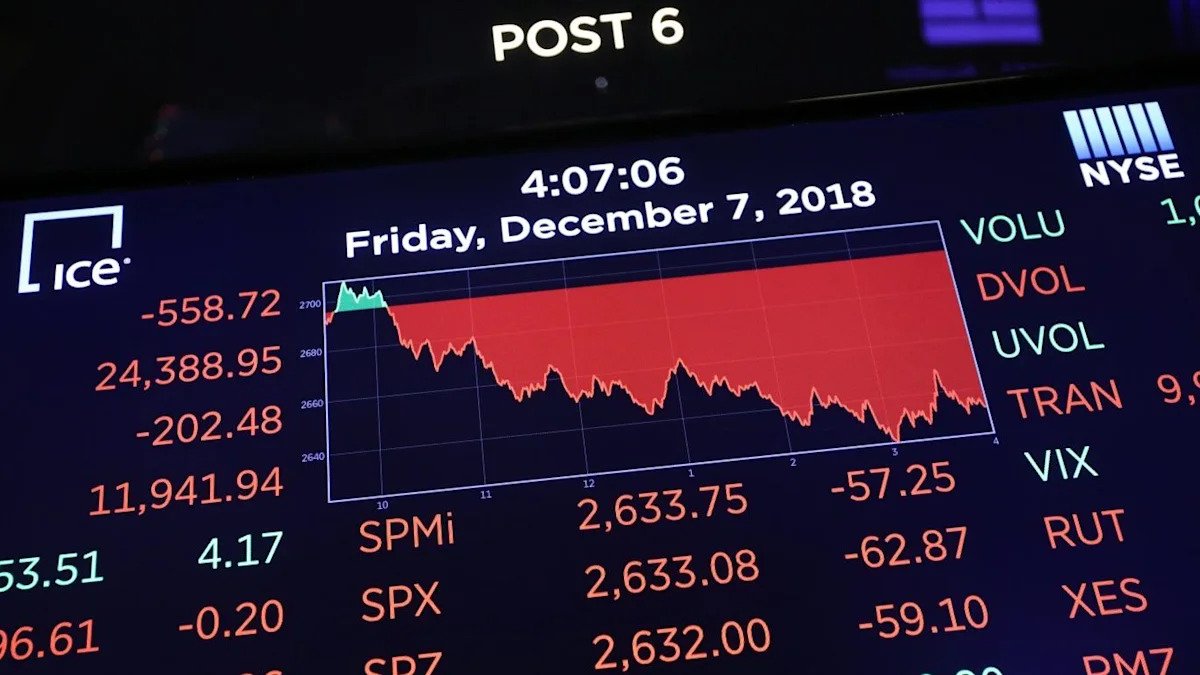
Nvidia (NVDA -14.01%) plunged 14.01% on Friday, November 20, closing at $125.53 as Wall Street’s sell-off intensified. Reports of a Securities and Exchange Commission (SEC) accounting investigation added to mounting concerns surrounding the company’s regulatory exposure, while growing skepticism over elevated AI valuations continued to weigh on the broader semiconductor industry.
The decline extends a brutal stretch for Nvidia, which has reportedly shed approximately $2.5 trillion in market value from its recent peak despite delivering strong quarterly earnings earlier this week. Trading volume surged to 607.8 million shares, approximately 262% above its three-month daily average of 167.9 million, reflecting the intensity of the selling pressure.
NVDA Nvidia
$125.53-$20.45 (-14.01%)
NASDAQ · As of 4:00 PM ET 11/20/26
How the markets moved today
The S&P 500 (^GSPC -3.70%) plunged 3.82% to 6,902, breaking below the psychologically important 7,000 level. Meanwhile, the Nasdaq Composite (^IXIC -5.28%) tumbled 5.13% to 22,654 as investors continued to retreat from high-growth technology stocks.
Selling pressure was particularly severe across the semiconductor industry. Advanced Micro Devices (AMD -13.25%) plunged 13.26% to $424.32, while Broadcom (AVGO -12.19%) fell 12.12% to $304.65. The widespread losses suggest investors are reassessing the valuations and near-term outlook for AI-related companies, even as demand for advanced computing infrastructure remains strong.
What this means for investors
Nvidia’s latest sell-off highlights a growing disconnect between the company’s financial performance and investor expectations. Despite reporting exceptional quarterly revenue growth and raising its outlook, shares have continued to decline alongside the broader semiconductor industry. With fresh SEC scrutiny of Nvidia’s accounting practices and tightening U.S. semiconductor export restrictions adding to uncertainty, investors are increasingly questioning whether the company’s exceptional growth can justify its valuation amid deteriorating market conditions.
Looking ahead, the central question is whether Nvidia can sustain its growth and profitability as major technology companies face increasing pressure to demonstrate returns on their AI investments. A slowdown in data center spending, tighter export restrictions, or additional regulatory developments could force analysts to reassess Nvidia’s earnings projections for 2027.
For investors considering buying the dip, the distinction between a falling stock price and an improving investment opportunity is particularly important. Nvidia’s long-term competitive advantages remain substantial, but its valuation must be weighed against greater regulatory uncertainty and the possibility of slower industry growth. Until there is greater clarity surrounding the reported SEC investigation and signs of stabilization across semiconductor stocks, investors should remain cautious about assuming the recent sell-off has created a definitive buying opportunity.
Where to invest $1,000 right now
When our analyst team has a stock tip, it can pay to listen. After all, Stock Advisor’s total average return is 768%* — a market-crushing outperformance compared to 199% for the S&P 500.
They just revealed what they believe are the 10 best stocks for investors to buy right now, available when you join Stock Advisor.
*Stock Advisor returns as of November 20, 2026.