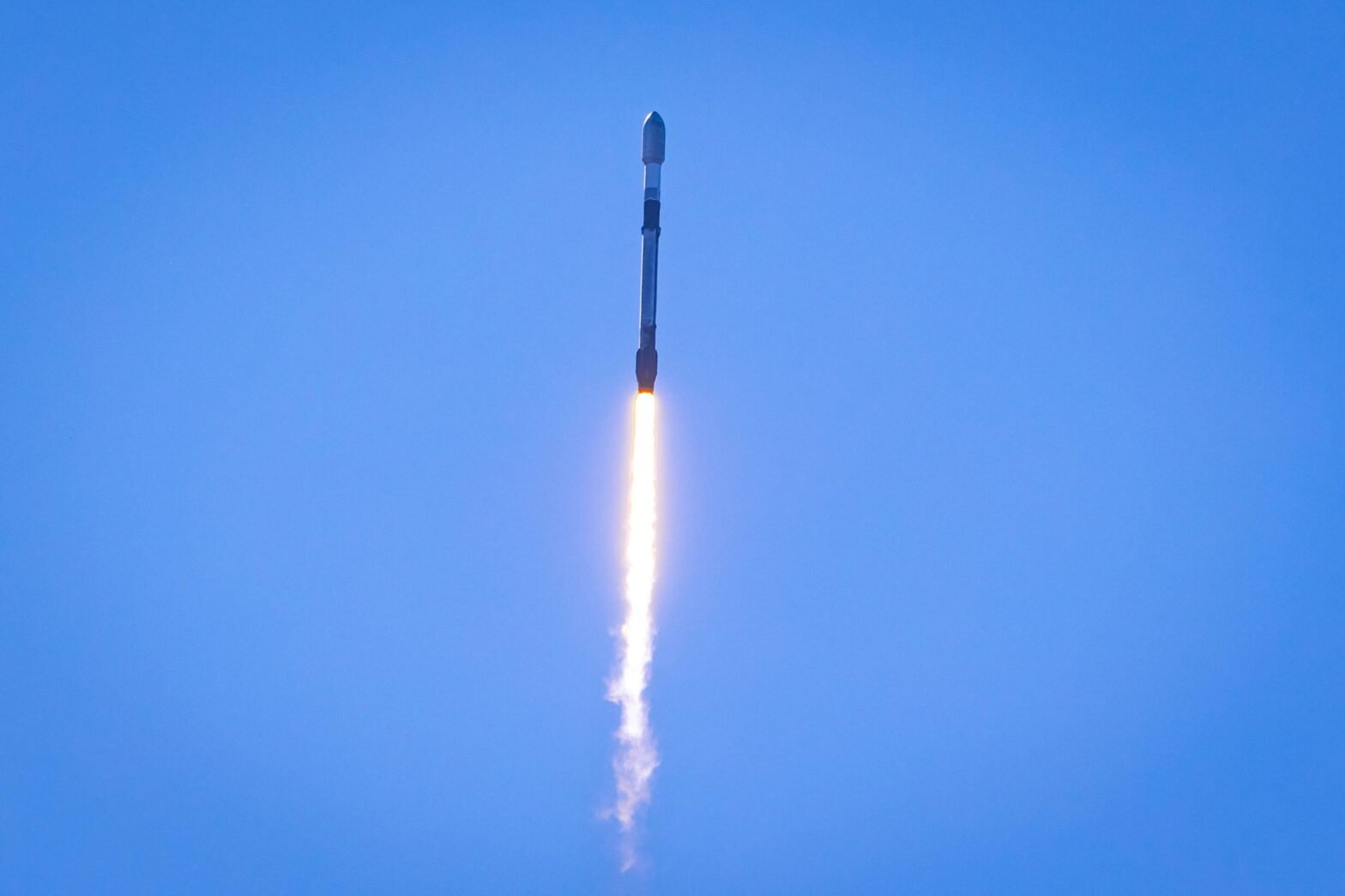
The main equity indexes were mixed this morning, ahead of the debut of Elon Musk’s SpaceX as a publicly traded company. The size and the scope of it were not sufficient to cover the market’s questions about the war in the Middle East, inflation and simpler things such as seasonality. Indeed, the biggest initial public offering (IPO) in stock market history happened on a Friday weeks into Wall Street’s traditional summer trading period.
SpaceX (SPCX) started trading at about 11:45 am Eastern Standard Time and immediately popped 11.1% from its $135 offering price to $150. SPCX closed up 19.2% at $160.95, making Elon Musk the world’s first trillionaire. We’re following everything about the explosive debut on our live SpaceX IPO blog.
Meanwhile, all three main indexes rallied on firmer word of a potential agreement between the U.S. and Iran that would open the Strait of Hormuz. According to Bloomberg, an interim deal is likely to be reached and could be signed as soon as next week at the Group of Seven meeting in France.
Sign up for Kiplinger’s Free Newsletters
Profit and prosper with the best of expert advice on investing, taxes, retirement, personal finance and more – straight to your e-mail.
Profit and prosper with the best of expert advice – straight to your e-mail.
The front-month West Texas Intermediate crude oil futures contract declined by nearly 4% to $84.35 and ended the week down 6.8%. WTI has risen by 25.9% since the war in the Middle East began on February 28.
By the closing bell, the blue-chip Dow Jones Industrial Average was up 0.7% at 51,202. Papa Dow’s rally was enough to push into the green for the week with a gain of 0.7%.
The S&P 500 was higher by 0.5% at 7,431 on Friday, and the broad-based index ended the five days with a gain of 0.6%. The tech-heavy Nasdaq Composite added 0.3% on Friday and was up 0.7% for the week at 25,888.
Sentiment is up on SpaceX Day
Preliminary results from the University of Michigan Surveys of Consumers show its Consumer Sentiment Index rose to 48.9 in June from 44.8 in May and surpassed a consensus estimate of 47.8.
“Even with June’s early gains, however, views of the economy are still relatively dour,” Surveys of Consumers Director Joanne Hsu said. “They feel burdened by the recent escalation in inflation and worry that higher inflation could remain stubborn going forward, particularly in the short run.”
Looking for more timely stock market news to help gauge the health of your portfolio? Sign up for Closing Bell, our free newsletter that’s delivered straight to your inbox at the close of each trading day.
LPL Financial Chief Economist Jeffrey Roach sees potential relief on the horizon: “We expect inflation pressures to ease after the Iran conflict simmers and the subsequent improvement in supply chains.”
At the same time, as far as interest rates are concerned, hotter-than-expected May Consumer Price Index (CPI) and Producer Price Index (PPI) data “suggest the Fed will remain on hold for the next few meetings and will remove any accommodative bias at next week’s meeting.”
The wild card remains the war in the Middle East, which, if it persists, would generate “stronger inflation headwinds will put a damper on the growth trajectory,” according to Roach.
Adobe gets bricked
Adobe (ADBE, -6.8%) sat out the rally after management of the tech stock reported expectations-beating top- and bottom-line results for its second quarter and raised full-year guidance.
“Adobe delivered record revenue of $6.62 billion in Q2,” CEO Shantanu Narayen said in a statement, “reflecting strong AI-driven demand across our customer groups.”
The software maker now expects to report earnings of $24.35 to $24.45 per share on revenue of $26.5 billion to $26.6 billion vs a Wall Street forecast for EPS of $23.54 on revenue of $26.1 billion.
Stifel analyst J. Parker Lane cut his rating on ADBE from Buy to Hold after the release, noting that management “meaningfully lowered” its fiscal second-half organic annual recurring revenue estimate.
“The company also announced the departure of CFO Dan Durn,” Lane writes, “adding more leadership uncertainty into the mix, with CEO Shantanu Narayen expected to step down from his role this year.”
CFRA slaps a ‘sell’ on SPCX
A little more than an hour after SPCX started trading, CFRA analyst Keith Snyder slapped what FactSet classified as a “Sell” rating on the stock, specifying a $115 12-month target price. That’s 28.5% below its closing price on Friday.
“We have a negative outlook given dependence on unproven outcomes including Starship commercialization, orbital AI compute, and xAI monetization,” Snyder writes in a research note.
According to Snyder, Starlink, the strongest segment, faces multiple risks, including capacity expansion needs, regulatory approvals and competition from terrestrial broadband and low-Earth orbit systems.
“We believe the market assigns too much value to future optionality and insufficient discount to execution risk,” the analyst concludes.