Wall Street’s recent swings will have made most investors want to yank their 401(k) into cash, or potentially jump headfirst into beaten-down tech stocks.
On Friday, November 20, Wall Street’s “fear gauge,” the Cboe Volatility Index (VIX), closed at 35.89, its highest finish since April 2025’s tariff shock.
Shockingly, just one trading day later, on Monday, November 23, Nvidia’s leadership reversal sparked a thunderous rally, lifting the S&P 500 4.73%, sending the VIX plunging 25.83% to 26.62.
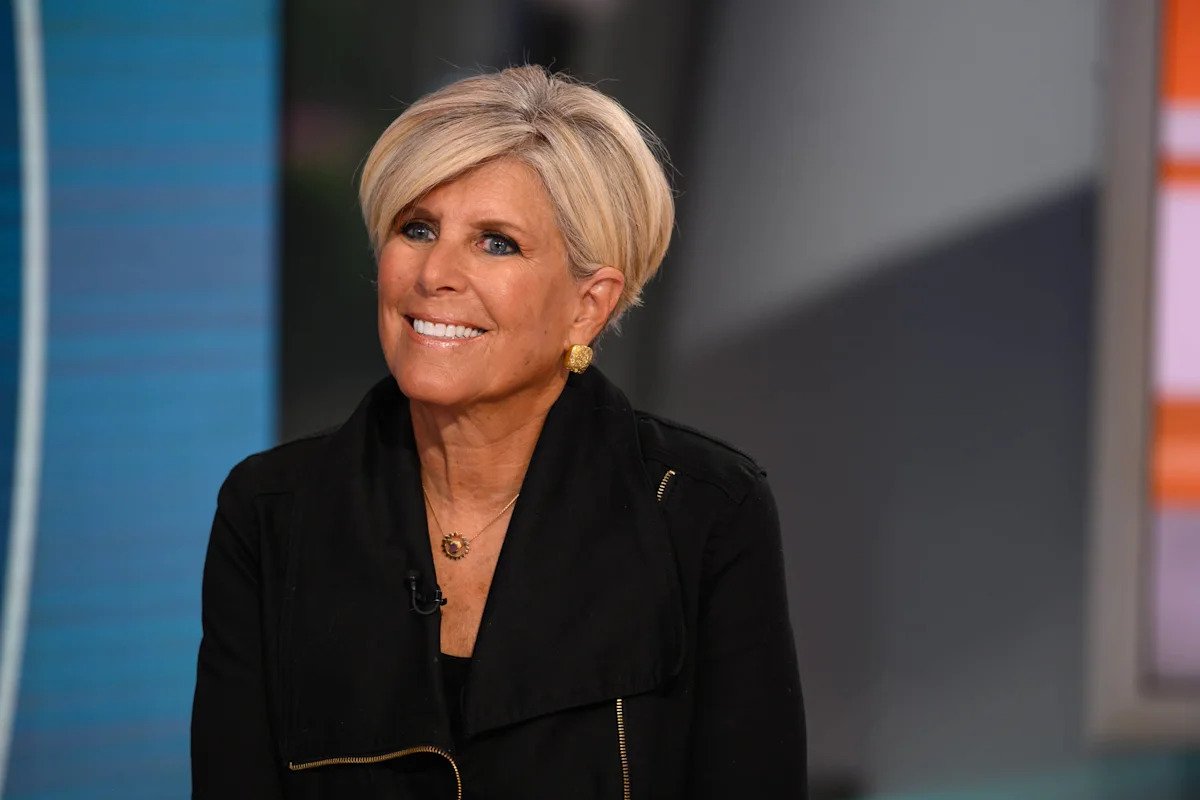
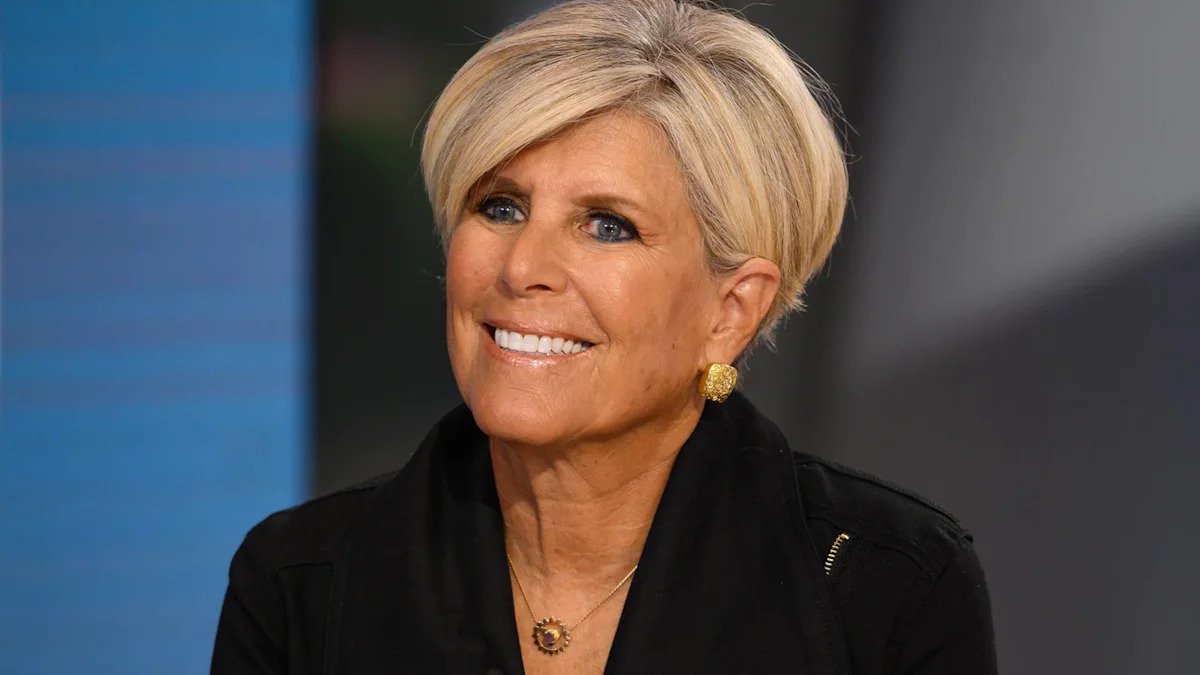
That’s exactly the kind of whipsaw personal finance veteran Suze Orman tackled on the November 22 episode of her Women & Money podcast, titled “What The Hell Is Going On??“
Orman has a stark warning for retirees and those nearing retirement that one apparently harmless reaction to stock market turbulence could end up costing them dearly.
Why fear forces retirees to be right twice
During the 33-minute broadcast, Orman broke down simply how the VIX actually works, and why, if investors misread it, it could end up trapping them.
Instead of signaling whether stocks are cheap or poised for a snapback, the VIX simply measures options traders’ expectations for 30-day S&P 500 turbulence.
Treating a spike above 35 as an automatic cue to run towards cash, or blindly buying the dip, effectively turns a retirement plan into a guessing game.
More Wall Street:
-
Arista Networks stock gets fresh backing from Jim Cramer and Wall Street
-
Oracle stock sinks as Wall Street confronts a $20 billion AI problem
-
Wall Street just got a candid look at who is winning the AI race
“If you’re making financial decisions based on fear, you have to be right twice,” Orman warned listeners on the November 22 episode. “You have to know when to get out, and you have to know when to get back in. Hardly anybody I know can do both consistently.”
Monday’s sudden 4.73% S&P 500 rebound proved her point in real time.
Investors who panicked on Friday afternoon locked in losses and immediately missed one of the year’s most powerful sessions. Moreover, hard data from J.P. Morgan Asset Management’s 2026 Guide to Retirement underscores the stakes.
Over the 20 years ending December 31, 2025, a $10,000 S&P 500 investment grew to $80,619 if left untouched, while missing just the 10 best trading days slashed that balance by more than half to $35,866.
Interestingly, six of those 10 best days occurred within two weeks of the market’s 10 worst days.
For retirees, the danger cuts even deeper.
Unlike younger workers who’ve got decades to recover from a stock market crash, people nearing retirement have less time to bounce back. If the market falls just as they start withdrawing money for living expenses, their retirement savings might shrink quicker and become harder to rebuild.