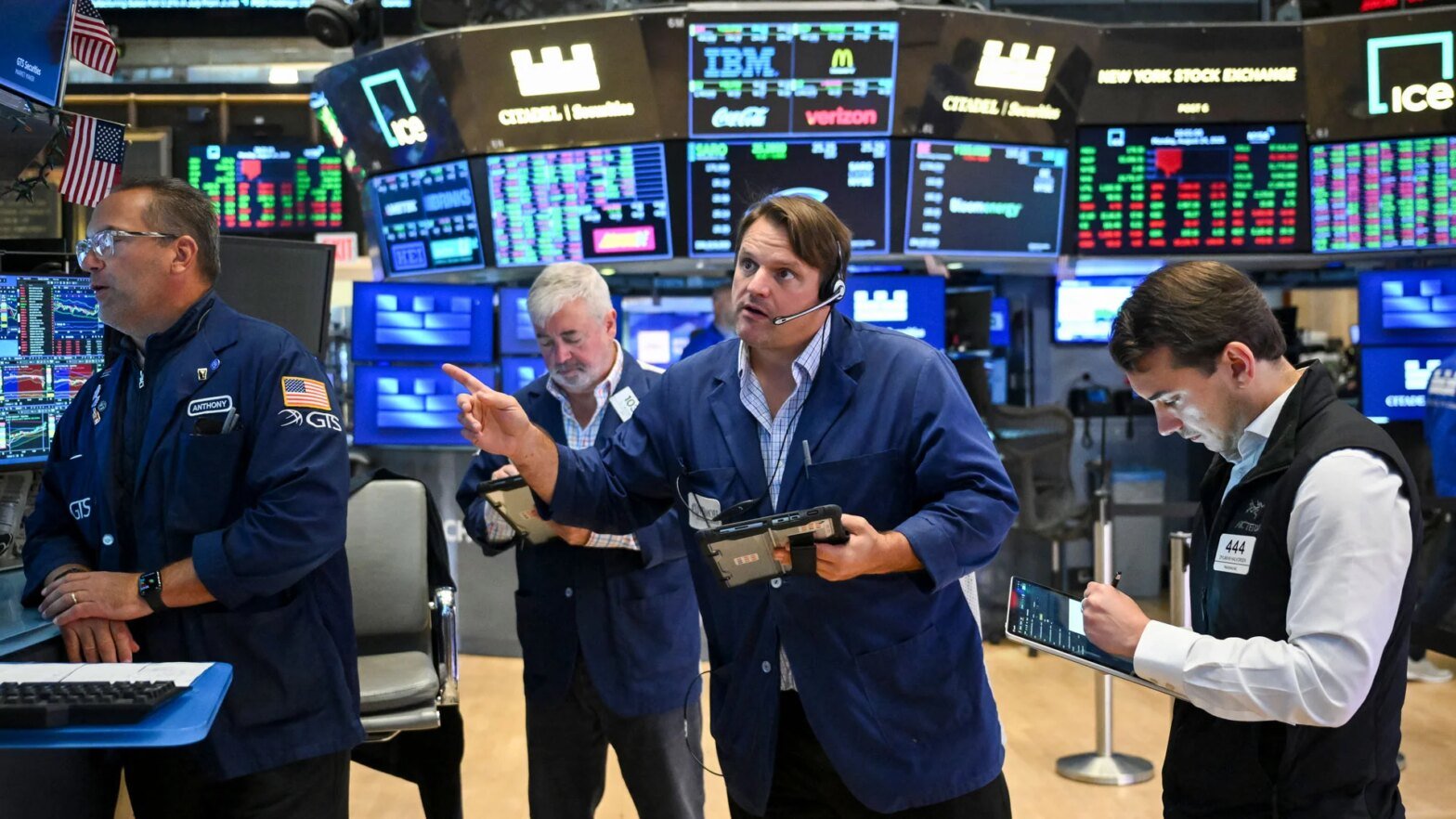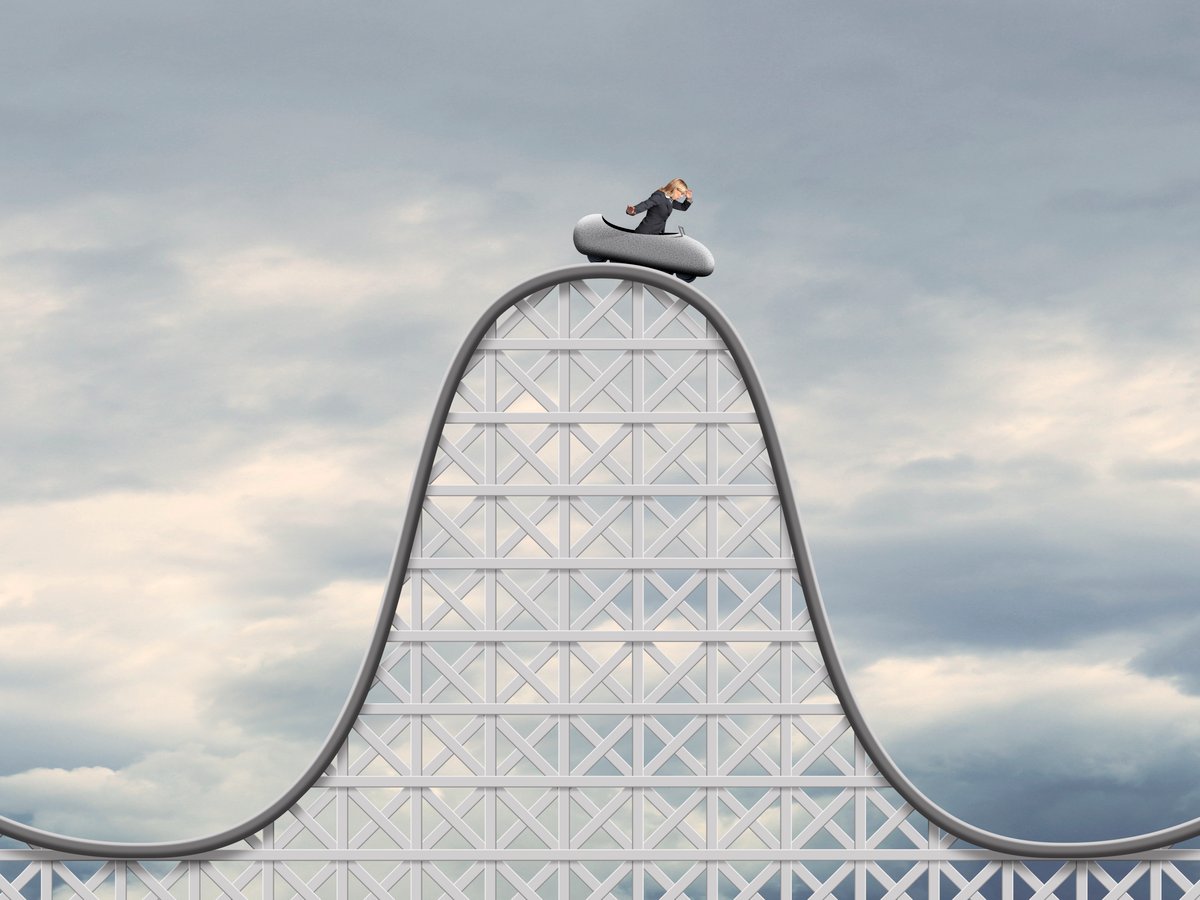
Roughly 6 in 10 Americans own stocks, largely through retirement accounts. And about 75% of those retirement accounts are invested in stocks. This means millions of Americans’ retirement savings rise and fall with the stock market.
This past week has been an interesting one. On Tuesday, the tech-heavy Nasdaq stock index fell more than 2%, driven largely by a selloff in semiconductor- and AI-related stocks. Investors began questioning whether the enormous amounts of money being spent on AI infrastructure such as chips, data centers and software platforms will generate enough profits quickly enough to justify current stock prices.
Needless to say, AI investment has been hot, driving a significant portion of overall gains in the stock market. Last week, however, the market received a reminder that even the hottest trends can face periods of doubt. Things seemed to calm the Nasdaq on Wednesday, but it then fell again, reinforcing the overall doubts.
What’s interesting is that this was not a broad market panic. A non-tech index like the Dow Jones Industrial Average was nearly unchanged, and many non-technology sectors held up relatively well. These include staples like health care and retail.
In other words, investors were not necessarily abandoning the stock market. Instead, many appeared to be rotating toward industries viewed as less expensive and less dependent on AI enthusiasm.
Some easing in energy prices, including gasoline, also has helped stabilize things.
The key takeaway is that volatility in technology stocks does not automatically mean the broader economy is in trouble. In fact, some analysts argue that a market led by a wider range of industries may ultimately be healthier than one driven primarily by a handful of AI companies. If so, this may shield at least to some extent, the retirement accounts of those roughly 6 in 10 Americans.
All in, my hope is that we can smooth out the dependence on AI, keep some focus on other industries, and ease some price pressure through the stabilization of gas prices.
If so, perhaps there can be some economic stability and cautious optimism for the second half of 2026.
Tatiana Bailey is executive director of the nonprofit Data-Driven Economic Strategies. Other Gazette articles, TV segments, DDES monthly economic dashboards with technical explanations, and how to sponsor their work can be found at ddestrategies.org.