By Saqib Iqbal Ahmed
NEW YORK, June 30 (Reuters) – Soaring stock market valuations, dramatic swings in the market value of trillion-dollar companies, and periodic sharp selloffs have fueled growing concerns that parts of the U.S. stock market may be in a bubble.
Investors have long been skeptical of the astronomical gains in AI and semiconductor stocks, questioning whether Wall Street is inflating another speculative bubble.
Those fears increased last week after tech stocks fell sharply, driven by concerns over debt-funded AI spending and worries over a hawkish Federal Reserve.
Stocks have steadied as investors see sentiment, broadening market participation and solid earnings supporting the rally — but concerns remain.
MARKET FRAGILITY MEASURES RISE
“Looking through the lens of valuations, positioning, and sentiment … all measures of asymmetry and risk are flashing amber,” said Oliver Shale, investment specialist for the U.S. at Britain-based Ruffer.
Some measures of valuation have scaled near-record peaks while certain sentiment gauges are flying high.
“None of this is to say that the end is nigh, but that is a fragile setup for any market,” Shale said.
Indeed, BofA Global Research’s proprietary Bubble Risk Indicator, which scores assets on a scale of 0 to 1, with 1 signaling extreme bubble-like price action, stands at 0.91 for the PHLX Semiconductor Sector and 0.82 for the Technology Select Sector.
VALUATION WORRIES
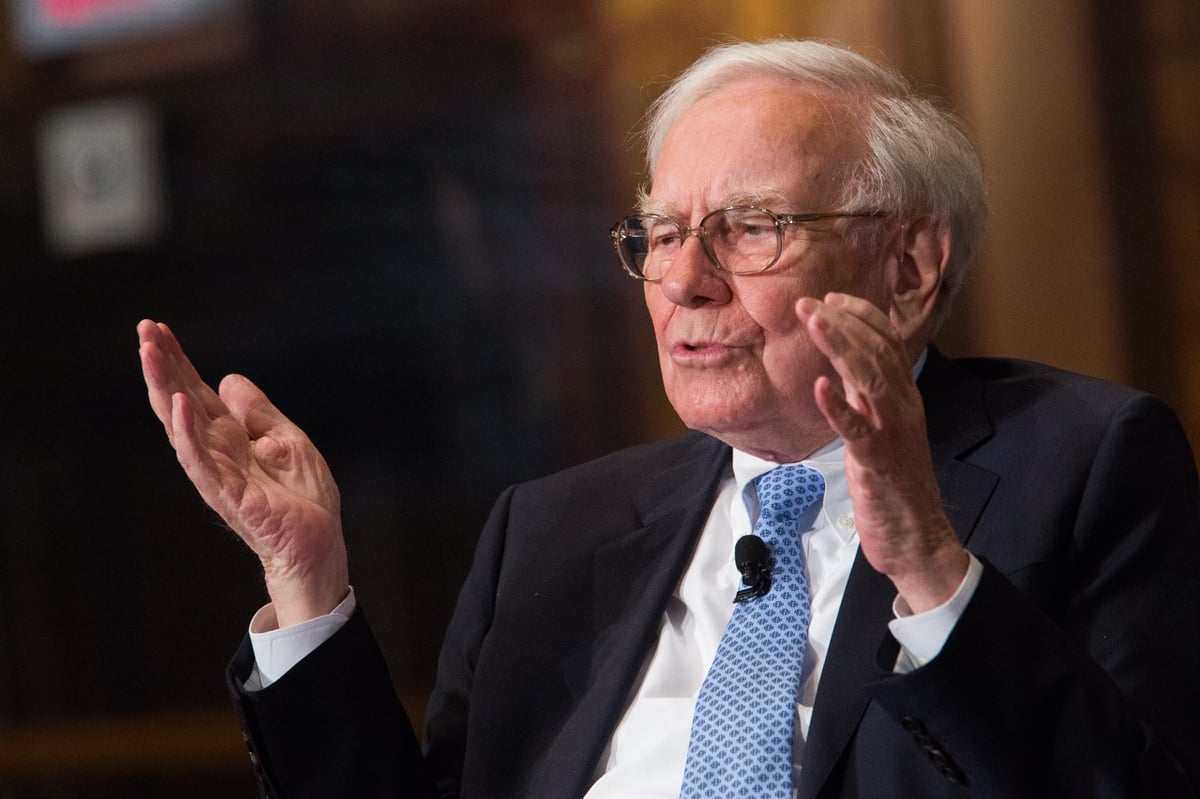
The U.S. stock market’s valuation has reached levels historically associated with major downturns, as measured by the Buffett Indicator — named after investor Warren Buffett.
The indicator, which compares total U.S. stock market capitalization with gross domestic product, stood at 218% for the first quarter, just shy of the record high of 219% touched in the prior quarter.
The S&P 500 price-to-sales ratio currently sits at 3.22, according to Tajinder Dhillon, head of earnings research at LSEG. That is well above its long-term historical average of 1.84, signaling stretched market valuations.
“Nearly every S&P 500 valuation metric is higher than it’s ever been except, possibly, PE ratios,” said Mark Spiegel, managing member and portfolio manager at Stanphyl Capital Partners.
While the S&P 500 price-to-earnings ratio, the most widely cited valuation metric for equities, has not reached the extreme levels seen during past market bubbles — supported in part by robust earnings growth — some investors remain skeptical.
“There’s a solid argument that the ‘E’ (earnings) in those ratios is an unsustainable bubble in itself,” Spiegel said.