A lot of attention has recently been directed to the bond market. Specifically, the market for U.S. Treasuries has been in the spotlight, and there’s a good reason.
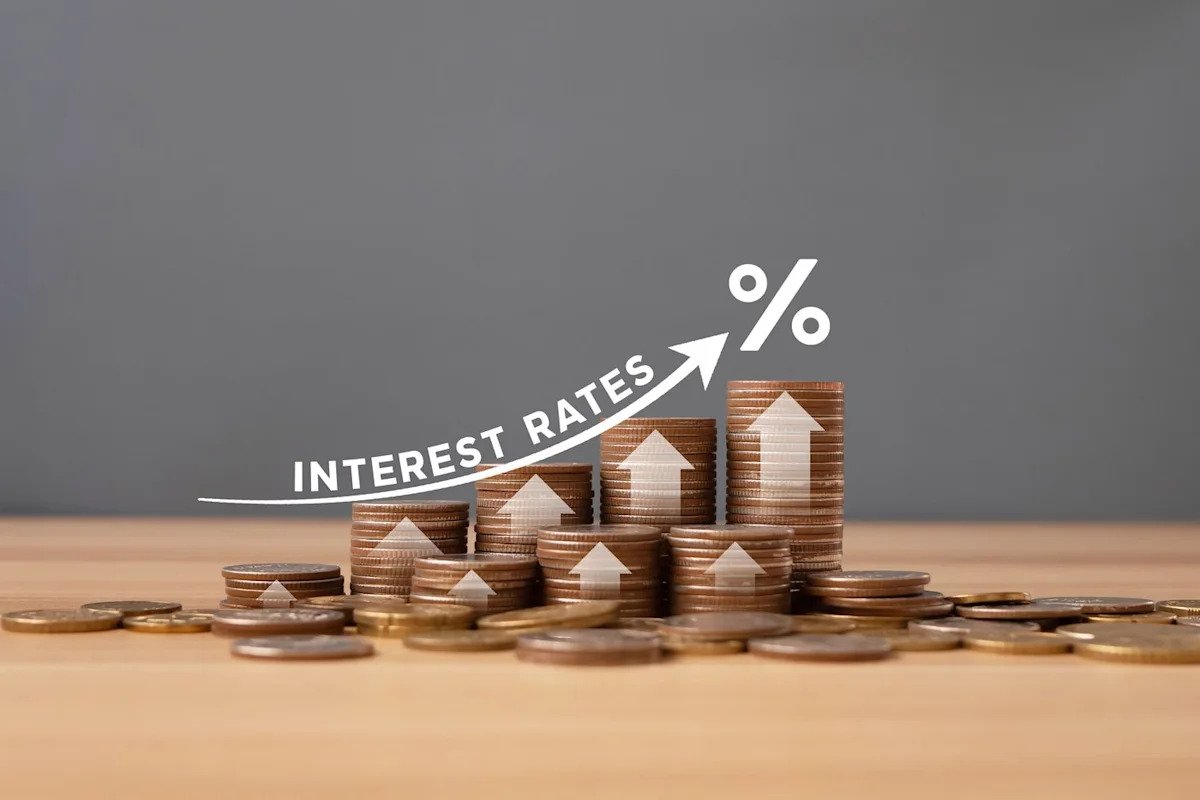
During the past 12 months, the 10-year Treasury yield has gone from 3.98% to 4.99% (as of Oct. 26), a rise of 25%. It has climbed 244% during the past five years. On Sept. 14, it closed above 5% for the first time in 19 years. Since this yield is used as a baseline for mortgage rates, corporate borrowing, and stock valuations, everyone took notice.
Missed AI’s “Act 1”? Act 2 Could Be 14x Bigger. Most investors think they missed the AI boat because they didn’t buy Nvidia in 2005. But according to our analysts, we’re only at the end of “Act 1″—the R&D phase. “Act 2” is the global rollout. Continue »
The bond market is rattled. Here’s what that means for stock market investors.
Multiple factors are driving the 10-year yield
To set the foundation, it’s worth mentioning that the U.S. economy has been on solid footing. On third-quarter 2026 earnings conference calls, bank executives recently discussed consumer spending, business investment, and high employment pointing to a resilient backdrop. Viewed by itself, this situation, which implies strong economic growth, supports higher long-term yields.
However, I believe there are three key factors that have played a bigger role. Inflation might be the main culprit. It remains extremely persistent. The Consumer Price Index increased 3.7% in September, well ahead of the Federal Reserve’s 2% long-run target. When bond investors expect inflation to be higher for longer, their selling pressure pushes yields up.
The U.S. debt situation is also starting to worry investors. The burden is more than $40 trillion now, with the government on track to run a $2 trillion deficit this fiscal year. The federal debt is now equal to 126% of the country’s gross domestic product (GDP).
There is growing concern about the U.S. government’s ability to continue borrowing to fund its operations. Interest expense is also is increasing rapidly, and it’s more of a problem with rates at elevated levels.
The artificial intelligence (AI) spending boom might also be contributing to the 10-year Treasury yield’s rise. There is more competition for capital. For example, investors have to decide between lending to the U.S. government or to the hyperscalers, which as a group have historically been in strong financial shape and delivered great returns.
Investors should focus on quality
Warren Buffett provided an explanation in 1999 about the effect rates can have: “These act on financial valuations the way gravity acts on matter: The higher the rate, the greater the downward pull.”