The Bureau of Labor Statistics published its latest data on inflation Tuesday morning, and it’s giving the stock market a bit of a breather.
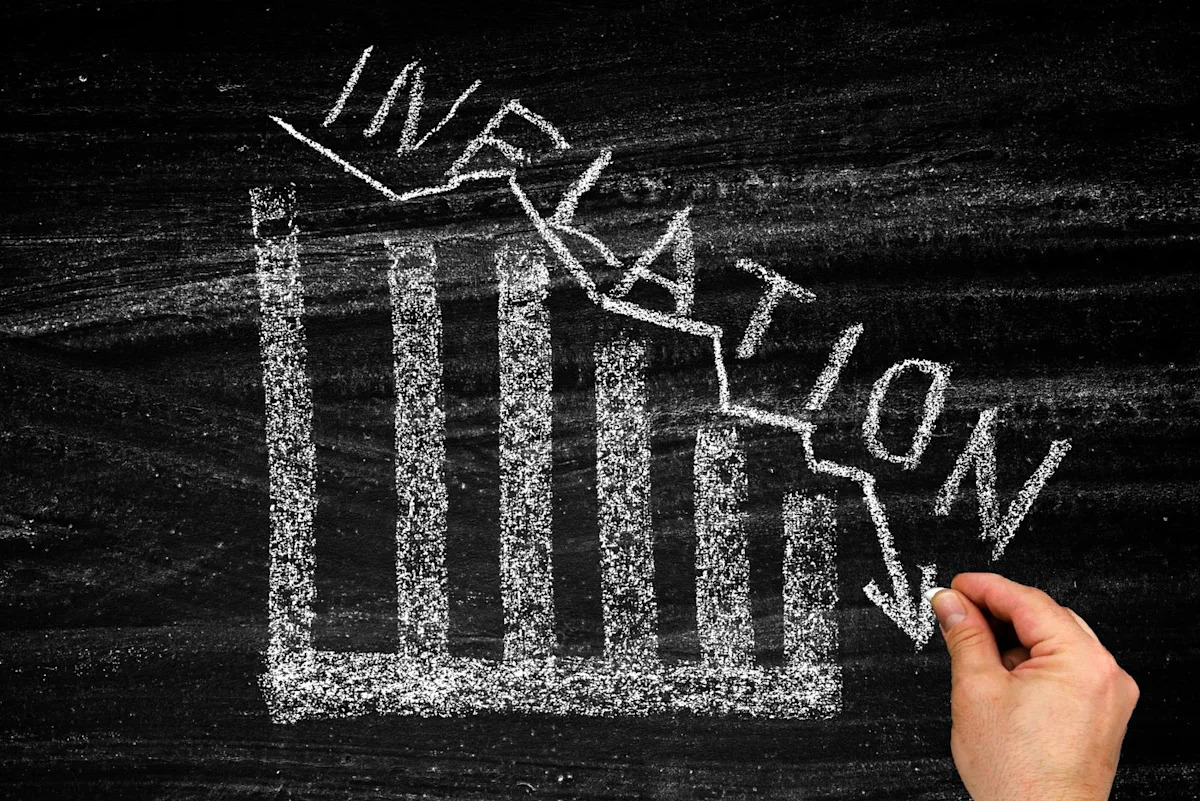
The Consumer Price Index rose 3.5% year over year in June, and 2.6% excluding volatile food and fuel prices (so-called “core” inflation). Both are down from May.
Missed Nvidia in 2009? This Rare Signal Is Flashing Again. In 2009, a “Double Down” signal flashed for a little-known chipmaker called Nvidia. For the first time in years, that same “Total Conviction” signal is flashing for a company 1/100th the size of Nvidia. Continue »
And the CPI actually decreased 0.4% in June from the previous month, while core inflation was unchanged. That monthly decline in June was the largest one-month decrease since April 2020.
In the weeks leading up to the June CPI report, the futures market had been pricing in an increasing chance that the Federal Reserve would hike as soon as July 28 or 29, when it holds its next monetary policy meeting. Just yesterday, futures traders were pricing a 42% chance the Fed would increase its target interest rate in July. After this morning’s CPI release, that has fallen to 17%.

So, the report allowed investors to breathe a sigh of relief, as the recent spike in inflation had been increasing expectations of an interest rate hike by the Fed to combat rising prices. Because when the Fed is hiking, it’s often bad news for the market — hence the phrase, “Don’t fight the Fed.”
One could see the relief on Wall Street Tuesday, as both stocks and bonds gained ground on the news in morning trading.
Wall Street’s relief could be short-lived
But the new comfort level investors are feeling may be short-lived. The decrease in inflation in June was largely due to a 9.5% change in gasoline prices from the previous month.
The average price of gasoline in the U.S., including all formulations of gas, fell from $4.48 a gallon on May 25 to $3.81 on June 29, according to Federal Reserve data.
That decrease was the direct result of the ceasefire negotiated in April between the U.S. and Iran, which drove the price of Brent crude oil, the international benchmark, down dramatically from $118 a barrel at the end of April to around $72 in early July, bringing it close to the pre-war price.
But the ceasefire ruptured in the first week of July, with the U.S. and Iran trading strikes and President Donald Trump declaring the relatively brief peace to be “over.” Since then, the price of a barrel of Brent crude has spiked to more than $86 a barrel.