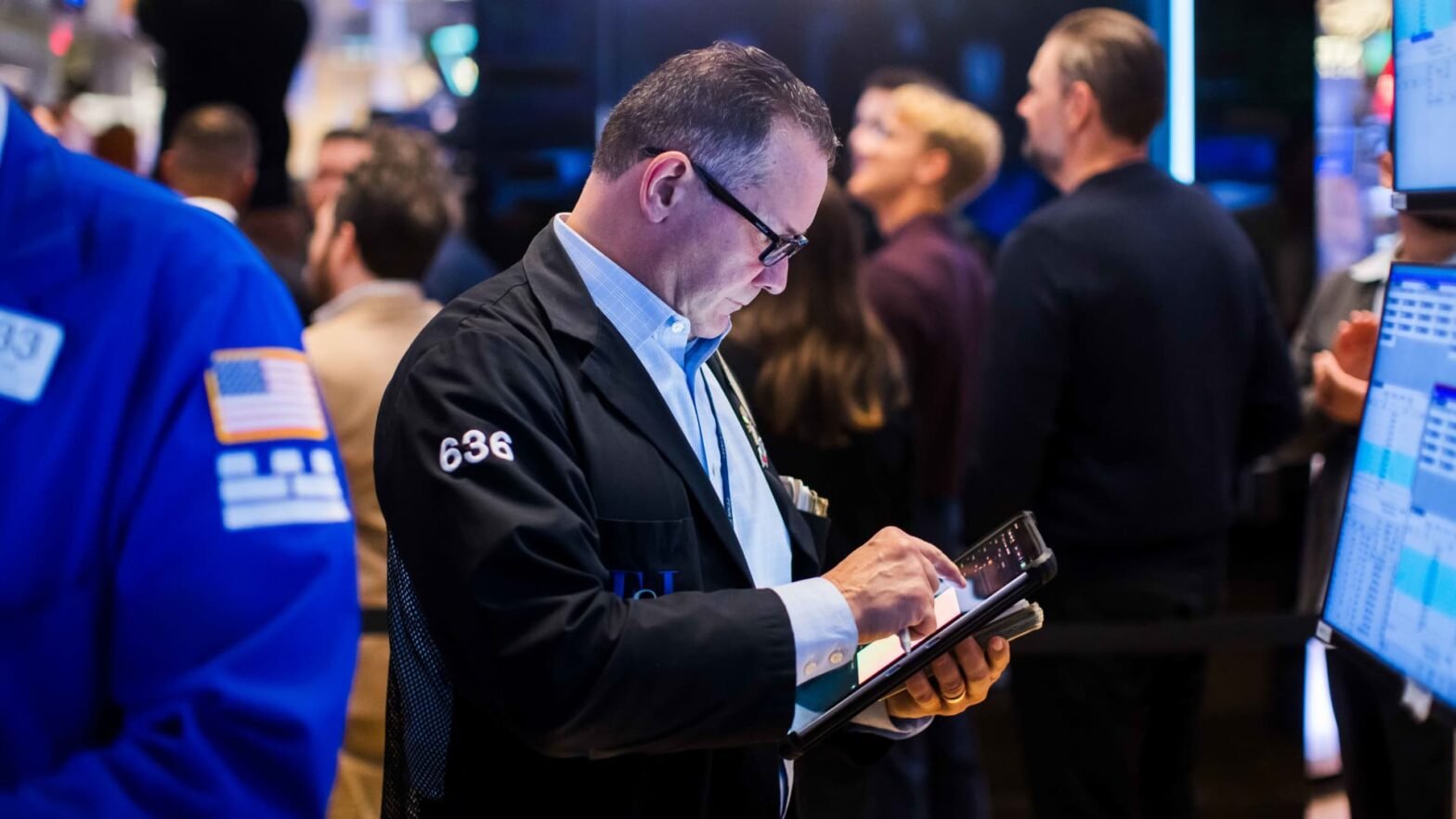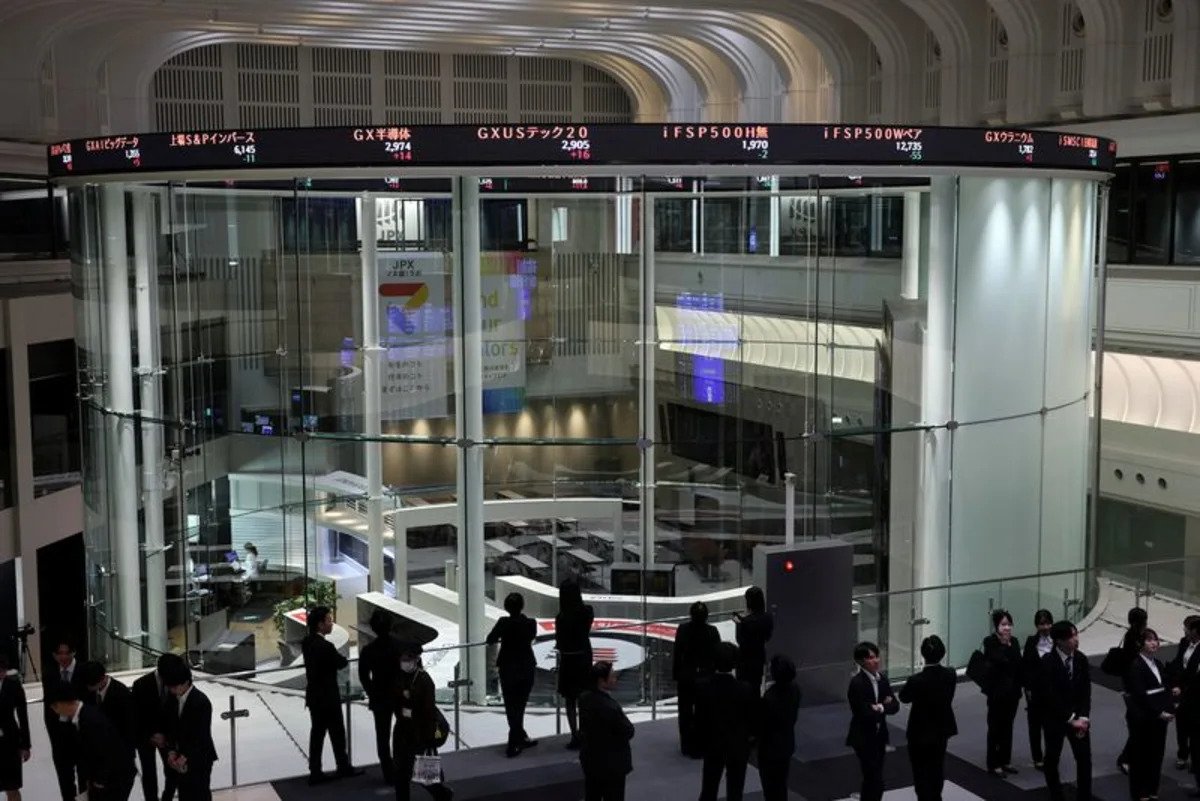
To say it was a rough day for Wall Street’s major stock indexes would be an understatement. The timeless Dow Jones Industrial Average (DJINDICES:^DJI) shed 1,833 points, the benchmark S&P 500 (SNPINDEX:^GSPC) lost 335 points, and the artificial intelligence (AI)-driven Nasdaq Composite (NASDAQINDEX:^IXIC) plummeted 1,422 points on Nov. 5.
While the Nasdaq Composite’s 5.52% decline didn’t crack the 20 largest percentage drops on record, its 1,422-point single-session loss shattered its previous record tumble of 1,122 points, set on June 5, 2026.
Missed Nvidia in 2009? This Rare Signal Is Flashing Again. In 2009, a “Double Down” signal flashed for a little-known chipmaker called Nvidia. For the first time in years, that same “Total Conviction” signal is flashing for a company 1/100th the size of Nvidia. Continue »

Image source: Getty Images.
The uncomfortable reality for investors is that there are three reasons these elevator-down moves may be just beginning.
A surprise election result could rake AI hardware stocks over the coals
Prediction markets widely forecast that Democrats would sweep Congress on Election Night, and that’s exactly what happened. By early January, President Donald Trump will be working with a Democrat-led Congress.
Trump has repeatedly stated that he’ll use his presidential veto power to effectively maintain the status quo. The Dow, S&P 500, and Nasdaq Composite initially rallied on Nov. 4 with the understanding that the president could veto stricter AI regulation bills sent to his desk from a Democrat-controlled Congress.
But what investors overlooked was a “blue wave” at the gubernatorial level. Democratic governors flipped five former Republican seats (two state elections have yet to be called by the Associated Press). Three of these flipped seats (Texas, Georgia, and Ohio) are focal points for data center planning and construction.
Democratic Governor-elect Gina Hinojosa of Texas has pledged to ban data center approvals until her state’s legislature passes laws on electricity, water, air, and property rights. Most Democratic lawmakers favor limiting data center expansion and stricter testing/vetting on large language models.
In other words, stricter AI regulation at the state level can circumvent Trump’s veto power.
This could be particularly damaging to AI hardware companies that have enjoyed never-before-seen pricing power. In addition to insatiable enterprise demand for AI infrastructure, persistent supply shortages have lifted the pricing power of AI hardware providers. If data center approval moratoriums result in a more balanced supply-vs-demand outlook for hardware, the pricing power and gross margin of leading AI stocks may crater.