The Nasdaq-100 stock market index tracks the performance of the top 100 companies (by value) listed on the Nasdaq stock exchange, excluding banks and other financial institutions. As a result, it has a high degree of exposure to powerhouse artificial intelligence (AI) stocks like Nvidia.
The index was recently down by as much as 12% from its peak, as investors weighed the impact of soaring oil prices on consumer spending, corporate earnings, and the broader economy. But the conflict between the U.S. and Iran, which triggered the spike in oil, is currently winding down, and the stock market has already exploded to new highs. Here’s a brief timeline of events:
- Feb. 28: The U.S. and Israel launched direct attacks on Iran.
- March 2: Iran closed the Strait of Hormuz, a critical waterway that handles 25% of the world’s daily seaborne oil trade.
- March 30: The Nasdaq-100 bottomed on hopes the conflict would soon wind down.
- April 8: The U.S. and Iran reached a ceasefire agreement, and started negotiating a longer-term peace deal.
- April 15: The Nasdaq-100 set a new record high, capping off an incredible recovery.
- April 17: Iran declared the Strait of Hormuz open to commercial vessels, triggering a welcome collapse in oil prices. The stock market extended its gains even further.
The Nasdaq-100 logged a blistering gain of 17% between March 30 and April 17, which was the highest return over 13 trading days (excluding weekends and holidays) since March 23 to April 9, 2020, when global markets were recovering from the COVID-19 pandemic sell-off. Here’s what could happen next.

Image source: Getty Images.
The Nasdaq faces another major test
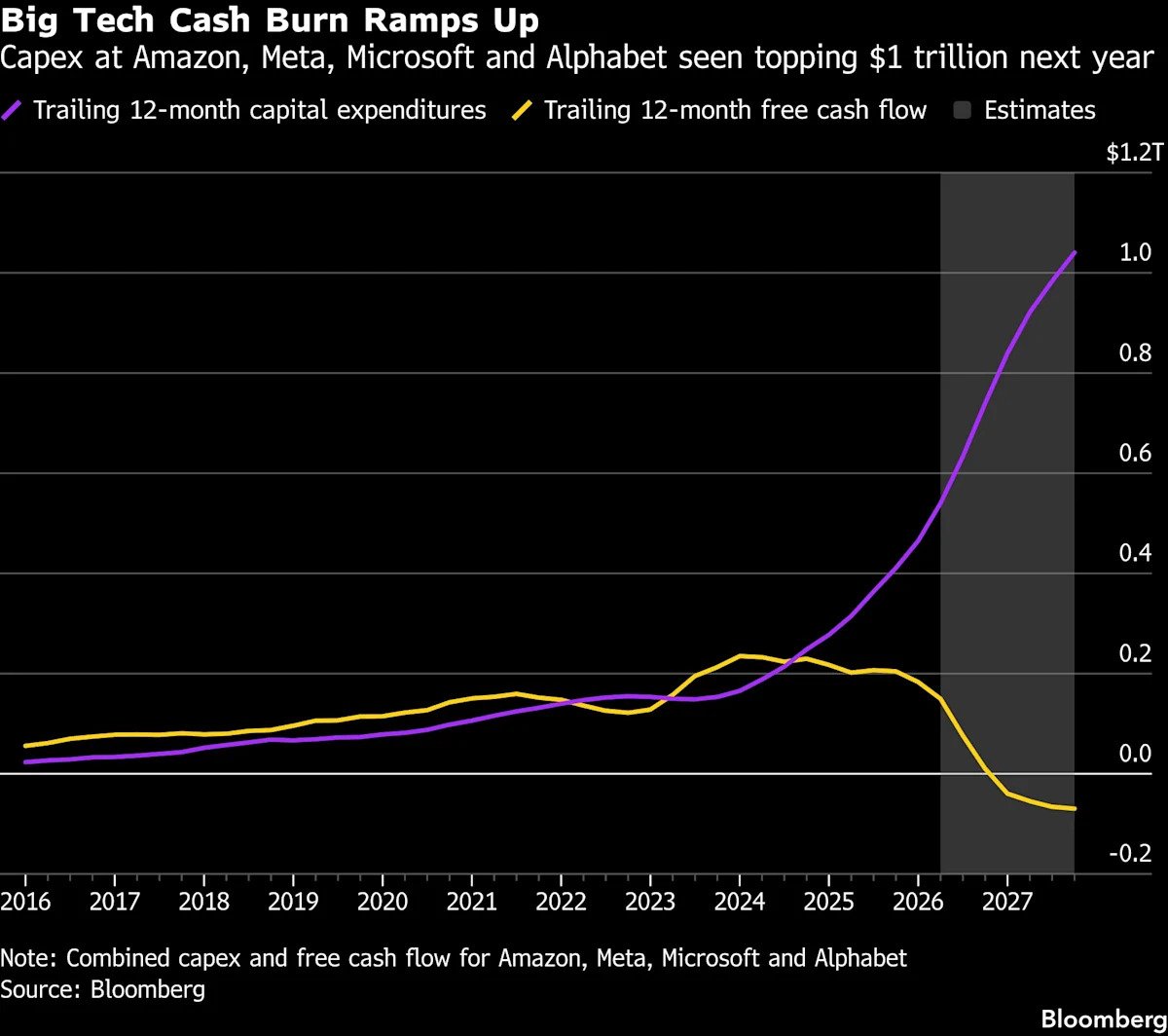
The Nasdaq-100 had actually peaked in October last year, so it was starting to slip before the U.S.-Iran war started, as investors were growing concerned about the sustainability of the incredible AI infrastructure spending boom.
Those concerns were crystallized in mid-February, when ChatGPT creator OpenAI announced it would only spend $600 billion on computing capacity by 2030, less than half its previous estimate of $1.4 trillion. The start-up reportedly had a $300 billion deal to rent data center capacity from Oracle over a period of several years, and it made an additional $281 billion worth of commitments to Microsoft, so those figures will probably need to be revised lower.
If OpenAI and other top developers plan to spend less money on development, then Oracle and Microsoft — along with other cloud providers like Amazon and Alphabet — will have to pull back on their infrastructure spending. The knock-on effects will result in less revenue for suppliers of data center chips and networking components like Nvidia, Advanced Micro Devices, Broadcom, and Micron Technology.
The technology sector accounts for 60% of the value of the entire Nasdaq-100, so it’s clear why investors were suddenly nervous. But even though the index is now at a fresh record high, the risks to the AI industry haven’t necessarily subsided. According to various reports by Bloomberg and Futurism over the past month, around half of all data centers slated to open in the U.S. this year have been delayed or cancelled due to component shortages, soaring energy costs, and opposition by local residents.
History points to more upside
Despite the downside risks posed by the AI industry and the fragile peace negotiations between the U.S. and Iran, history suggests the Nasdaq-100 will continue to rise over the long-term. The index has more than doubled since recording its last ferocious 13-day rally between March and April 2020, and if we zoom out even further, it has fully recovered from five bear markets (declines of 20% or more) over the last 26 years alone.
Those steep drawdowns were caused by different events, including the bursting of the dotcom internet bubble in 2000, the global financial crisis in 2008, the COVID-19 pandemic in 2020, the inflation surge in 2022, and the Trump administration’s “Liberation Day” tariffs in 2025. The recent 12% correction looks quite tame next to those market shocks.
In fact, the Invesco QQQ ETF (QQQ +1.31%) — which tracks the performance of the Nasdaq-100 — has delivered a compound annual return of 10.1% since its inception in 1999, even after accounting for every sell-off, correction, and bear market along the way.

Today’s Change
Current Price
AI stocks could cause more volatility in the near-term, but investors might have already priced in a slowdown. Even with the Nasdaq-100 at a record high, Oracle stock is still down 46% from its peak, while Microsoft is down 22%, and Meta Platforms is down 12%. Nvidia is trading near a record high, but its valuation is significantly below its 10-year average, which implies investors are treading cautiously.
Time in the market always beats timing the market, so waiting on the sidelines for a better opportunity will often result in missed gains instead. That doesn’t mean investors should dive in with both feet while the Nasdaq-100 is at an all-time high; instead, it might be better to invest slowly, but consistently each month for the foreseeable future. That way, investors can dollar-cost average at lower prices if volatility strikes again.
Anthony Di Pizio has no position in any of the stocks mentioned. The Motley Fool has positions in and recommends Advanced Micro Devices, Alphabet, Amazon, Broadcom, Meta Platforms, Micron Technology, Microsoft, Nvidia, and Oracle. The Motley Fool recommends Nasdaq. The Motley Fool has a disclosure policy.