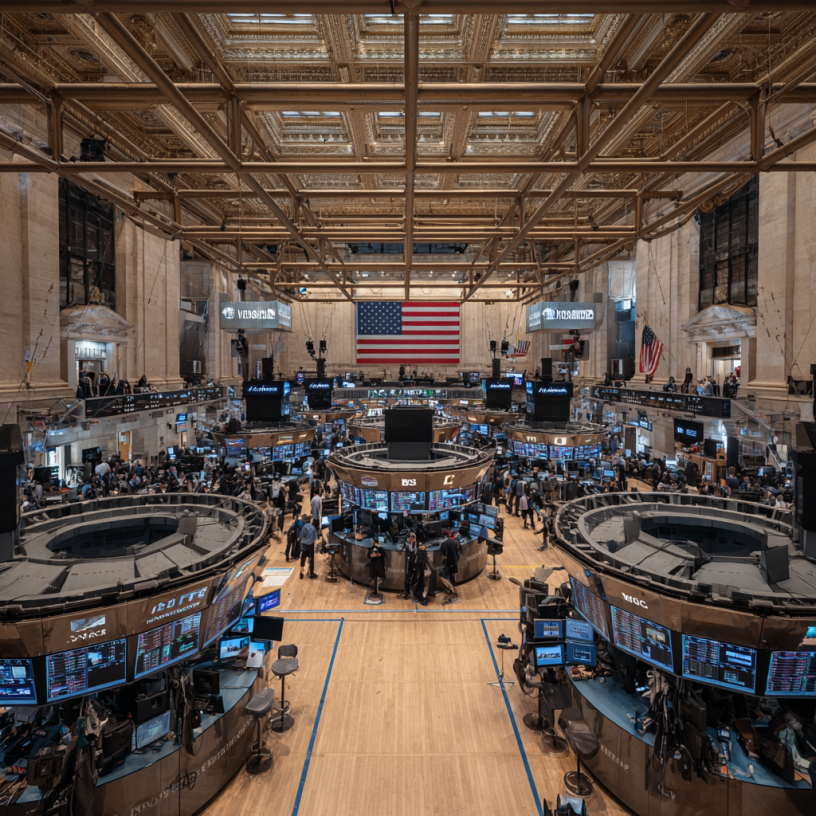
The S&P 500 has been through ups and downs this year, slipping on occasion amid worries about the economy, turmoil in Iran, and spending on artificial intelligence (AI). But overall, the famous benchmark has maintained its bull-market strength, extending its three-year 78% gain. In fact, the S&P 500, heading for an increase of 14% in 2026, just reached a new record high this week.
Against this backdrop, investors may either be excited about investing and getting in on this momentum or be hesitant to buy stocks with the idea that the market may have reached its peak and declines could follow. These two sentiments might even be among the forces pushing the index to gains one day and declines the next.
Missed AI’s “Act 1”? Act 2 Could Be 14x Bigger. Most investors think they missed the AI boat because they didn’t buy Nvidia in 2005. But according to our analysts, we’re only at the end of “Act 1″—the R&D phase. “Act 2” is the global rollout. Continue »
So, should you really invest during such an environment? Let’s consider what history says about buying stocks now.

Image source: Getty Images.
Investors rush to AI stocks
First, we’ll talk about the elements that have pushed the index higher in recent years and months, as well as the headwinds that have slowed the pace. Investors have rushed to get in on AI stocks, from Nvidia to Microsoft, over the past few years as a bet on what could be the next big thing in technology. The bet has been a winning one so far, as many of these players have climbed in the double and triple digits. AI has demonstrated its potential to help companies become faster and better at what they do, and this could significantly boost earnings over time.
But this AI development has required major investment and will continue to involve such investment. This year alone, big tech players are pouring nearly $700 billion into infrastructure, and though this is in response to high demand, it has worried some investors. The concern is that the revenue opportunity may not justify such an enormous investment. This has prompted some investors to turn away from AI stocks, at least temporarily, in recent months. Meanwhile, general uncertainty about the economy and geopolitical situation has also led to declines, particularly among growth stocks, at certain points this year.
Still, overall, optimism has reigned, helping the market recover from tough days and pushing the S&P 500 higher. On Tuesday, the index closed above 7,800 for the first time.