NEW YORK (AP) — Almost everything in your 401(k) should be coming up a winner now. That makes it time for a gut check.
Not only is the U.S. stock market setting records, so are foreign stocks. Bond funds, which are supposed to be the boring and safe part of any portfolio, are also doing well this year, along with gold and cryptocurrencies.
But in the midst of all the fun, it can pay to remember how you felt during April. That’s when financial markets were tumbling because of worldwide tariffs that President Donald Trump announced on his “Liberation Day.”
Did all that fear push you to sell your stocks, lock in the losses and miss out on the stunning rebound that came afterward? Or did you hold tight, as many financial advisers suggested? Either way, it’s valuable information because another downturn could strike at any time.
To be sure, many professionals along Wall Street are forecasting that the U.S. stock market will keep rising. But the threat of a sharp drop remains, as it always does. That leaves investors with the luxury now, while prices are high, to reassess. Don’t get lulled into leaving your 401(k) on autopilot, unless you’re intentionally doing so, and make sure your portfolio isn’t stuffed with too much risk.
Here are some things to keep in mind:
The stock market is doing well?
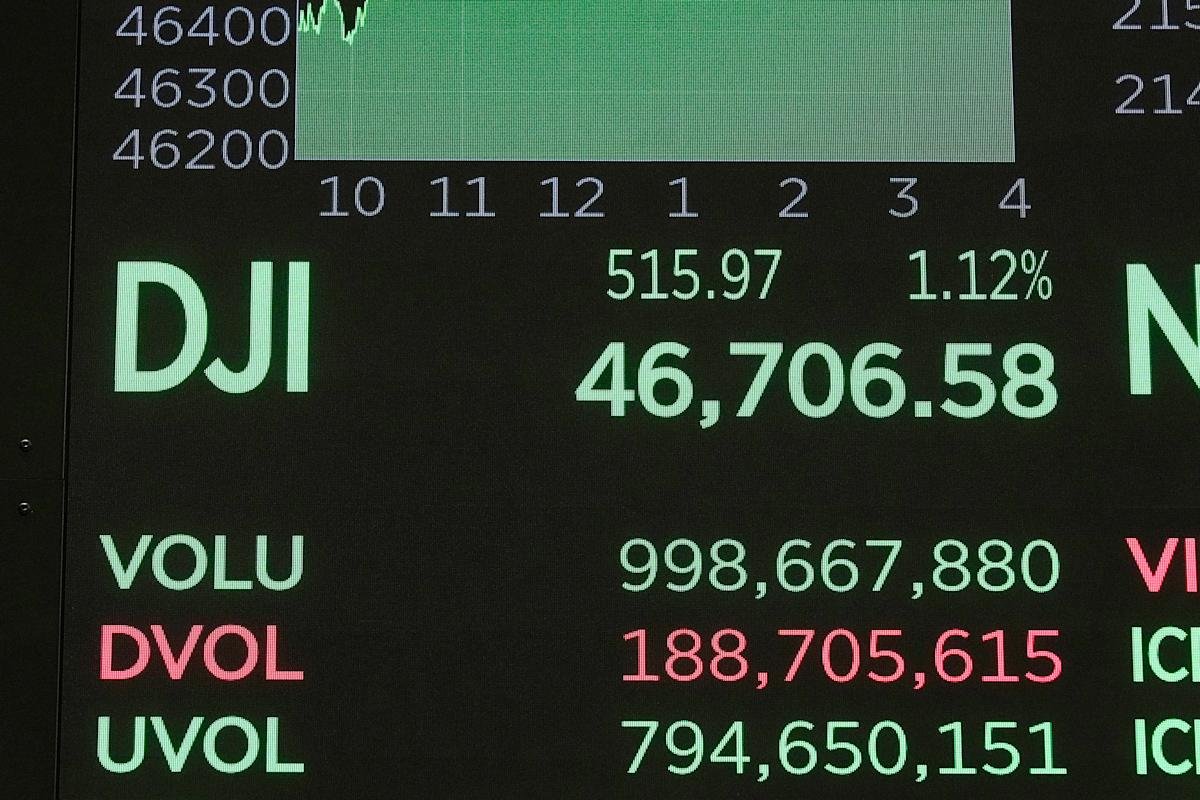
It’s been another fabulous year for stocks. The S&P 500 has soared more than 35% from its low point in April, shortly after “Liberation Day.”
The market has had a few hiccups recently, as worries have popped up about everything from potentially bad loans at some banks to renewed talk about much higher tariffs on China. But stocks have come back from each stumble, only to push higher.
“The market continues to (hit) record highs on the back of strong earnings and easing U.S.–China trade tensions,” said Mark Hackett, chief market strategist at Nationwide, who calls the current state of “steady growth without irrational exuberance” a ”Goldilocks environment.”
If the market’s great, why should I worry?
You don’t need to worry at the moment, but remember that the stock market will fall eventually. It always does.
The S&P 500 index, which sits at the heart of many 401(k) accounts, has forced investors to swallow a 10% drop every couple of years or so, on average. That’s what Wall Street calls a “correction,” and professional investors see them as ways to clear out excessive optimism that may have built up and pushed prices too high. More serious drops of at least 20%, which Wall Street calls “bear markets,” are less common but can last for years.