The odds of a Fed rate hike are creeping upward. A strong jobs report last week cemented the argument further for another raise. And inflation figures coming later today are expected to confirm that pricing pressures remain stubbornly high.
Together, that’s a compelling case — elevated pricing pressures call for a hike, while healthy jobs figures provide cover for tamping down the economy.
The odds for a 25 basis point hike at the Fed’s December meeting are over 80%, according to the CME FedWatch Tool.
But a new analysis from DataTrek co-founder Nicholas Colas suggests that the recent volatility on Wall Street is also doing some heavy lifting for the Fed — potentially removing the need for subsequent hikes next year.
“Stock market volatility and lower equity prices are one definition of ‘tighter financial conditions,'” Colas wrote in the note. That means that Fed funds futures see the recent action on Wall Street as reducing the need for the central bank to intervene.
After the expected hike next month, the market forecasts the Fed will stay the course through at least the first quarter of 2027. Chances of the next increase aren’t considered likely until April. Overall odds of a more hawkish rate policy have diminished, with the odds for no or one hike in 2027 now at 68%, up from 57% a week prior, Colas said.
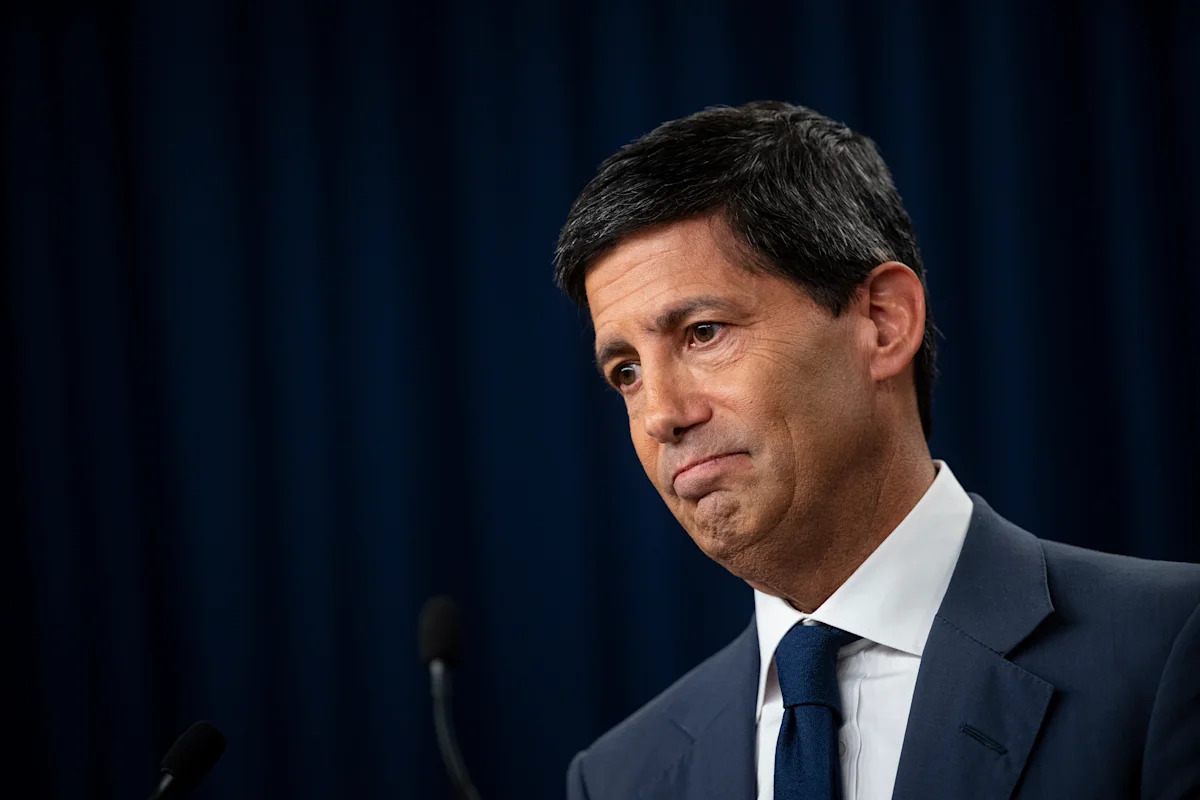
One of Fed Chairman Kevin Warsh’s catchphrases is that “markets are doing some of the Fed’s work for it.” As Colas noted, that’s increasingly coming true.
But recent tech jitters can also make the Fed’s job more difficult, adding another layer of uncertainty and reorienting the public’s expectations on top of the fact that the market and the Fed respond to each other.
If the tech sell-off takes off again and markets begin to anticipate a troubled growth story, the Fed might jump to action to reassure Wall Street. Right now, a little bit of selling is saving the Fed from some trouble. But a heavier dose of pessimism could be self-reinforcing.
Follow Hamza Shaban on X @hshaban.