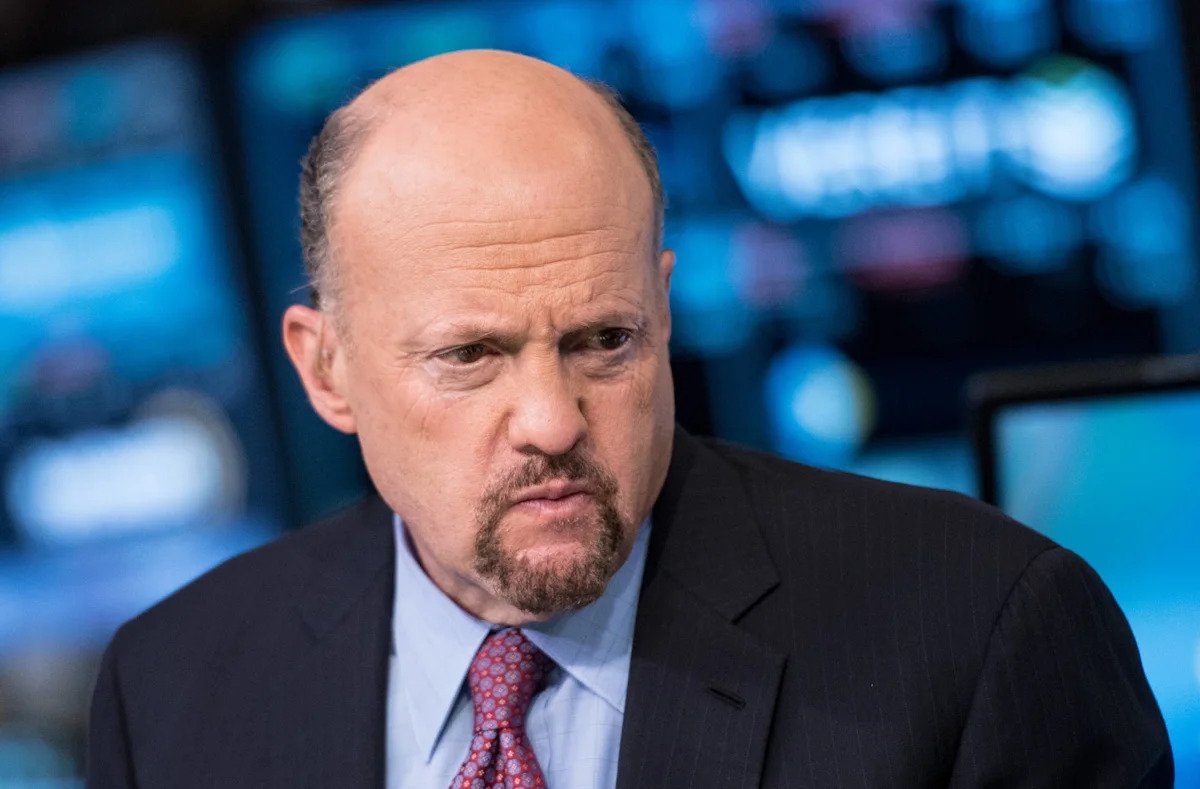

U.S. stocks suffered a violent selloff last week, and President Donald Trump posted on his Truth Social platform on Sunday blaming the Democratic Party’s victory in the November 3 midterm elections for the entire loss of more than $6 trillion (about NT$197.8 trillion) in market value. Treasury Secretary Scott Bessent, however, struck a noticeably different tone in an interview the same day, saying the selloff was the result of a mix of factors and had begun well before the election.
In his post, Trump wrote that the stock market has fallen more than $6 trillion since the Democratic Party’s “rather strange victory,” with the Nasdaq Composite alone down 20%. He stressed that “this is 100% because the Democratic Party is bad,” criticizing the party for pursuing anti-growth, revenge-driven policies — or worse. Trump also warned that conditions will only deteriorate if the Democratic Party does not change course soon, but told investors “don’t be afraid,” claiming the United States will soon be strong again and that many positive developments are in the works.
Friday’s decline was indeed extraordinary. The Dow Jones Industrial Average fell 1.93% to close at 48,147.33, its fifth consecutive losing session. The S&P 500 tumbled 3.7% to 6,910.39, its seventh straight decline — the longest losing streak since 2020. The Nasdaq Composite plunged 5.28% to 22,617.73, erasing all of its gains for the year.
On a weekly basis, the Dow fell 8.02%, the S&P 500 dropped 8.61%, the Nasdaq Composite slid 10.02% and the Nasdaq 100 fell 10.43%. Market commentary noted that a selloff of this magnitude has occurred only five times since World War II, two of them in 2008 and 2001.
Technology stocks bore the brunt of the selling. Chip stocks posted their worst weekly performance since September 2001, and Nvidia has lost about $2.7 trillion in market value since its shares peaked on October 6. After hitting a record closing high of 27,599.886 in early October, the Nasdaq Composite has fallen steadily and by Friday was more than 4,700 points below that peak, turning its year-to-date return negative.
In an interview on CBS’s “Face the Nation,” Bessent did not echo the president’s single-cause explanation. He said the market selloff actually began when polls showed the Democratic Party leading and accelerated after Election Day, driven by “a combination of factors.”
He singled out the Democratic Party’s stance on artificial intelligence infrastructure. Using Trump’s preferred term “superintelligence” (SI), Bessent said the Democratic Party’s attitude toward superintelligence buildout has unsettled many investors, who fear the pace of related construction will slow. He said the Democratic Party could tighten regulation of the AI industry, particularly restrictions on building data centers, which has affected the market’s assessment of the sector’s outlook.
Federal Reserve policy signals were another source of pressure. Bessent said he has recently heard some very hawkish commentary from the Federal Reserve, and many worry that overly tight monetary policy could amount to a policy error. As expectations for further rate hikes build, financing costs and valuation pressure on technology companies are rising in tandem.
Technology analyst Dan Ives described the situation facing tech stocks as a “perfect storm.” He believes that after the Democratic Party’s midterm landslide, the market began to worry that the government will tighten regulation of artificial intelligence and data centers, prompting some investors to reassess the investment outlook for AI infrastructure.
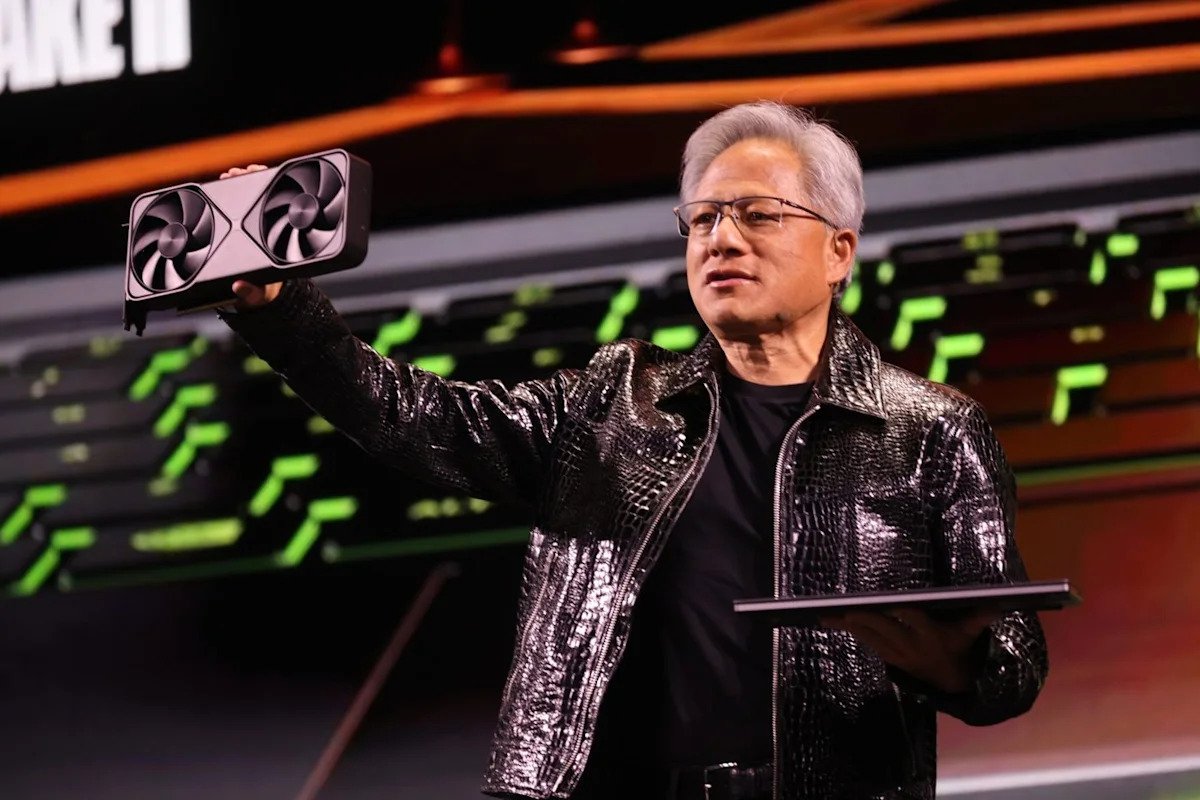
Ives also mentioned leadership changes at Nvidia. After CEO Jensen Huang’s departure, whether Nvidia can continue to provide critical support to the entire AI ecosystem has become a focus for investors; at the same time, the company faces multiple investigations into whether it made false statements to investors and whether it violated U.S. export control rules. Regulatory risk, management turnover and market doubts about tech stocks have emerged simultaneously, together amplifying the selloff.
Within the White House, Trump points the finger squarely at the Democratic Party, while Bessent emphasizes uncertainty over Federal Reserve policy and AI regulation — the two offer inconsistent explanations for the market correction. What is certain is that after the Democratic Party won majorities in both the Senate and the House, the outlook for artificial intelligence policy and data center construction has become a core variable as investors reprice technology stocks.
It is worth noting that with the Democratic Party in control of Congress, the market fears the new Congress taking office in January will overturn existing tax cut and tariff policies and tighten regulation of AI and data centers, making policy uncertainty difficult to dispel in the near term. For investors, whether the valuation correction in the technology sector has run its course will depend on further clarity on the direction of regulation and the Federal Reserve’s rate path.
Once added, BigGo Finance appears first in Google Search Top Stories, so you get the broadest, most up-to-the-minute, and most comprehensive global financial news first.