David Dierking, The Motley Fool
5 min read
The Vanguard S&P 500 ETF (NYSEMKT: VOO) is about 6% below its October peak after a punishing post-election Thursday on Nov. 5. Over the past year, however, it’s still up roughly 10%.
One number is a reflection of short-term volatility and uncertainty. The other suggests a market whose long-term trend line is still pointing up.
Missed AI’s “Act 1”? Act 2 Could Be 16x Bigger. Most investors think they missed the AI boat because they didn’t buy Nvidia in 2005. But according to our analysts, we’re only at the end of “Act 1″—the R&D phase. “Act 2” is the global rollout. Continue »
Which one should you pay more attention to?

The “down 6%” story: A midterm hangover
Democrats won both the House and Senate on Tuesday by fairly decisive margins. Stocks were positive on Wednesday before the bottom started to fall out on Thursday. The Nasdaq Composite (NASDAQINDEX: ^IXIC), had its worst day since April 2025. The S&P 500 (SNPINDEX: ^GSPC) is the furthest it’s been from its all-time high since the start of the Iran war.
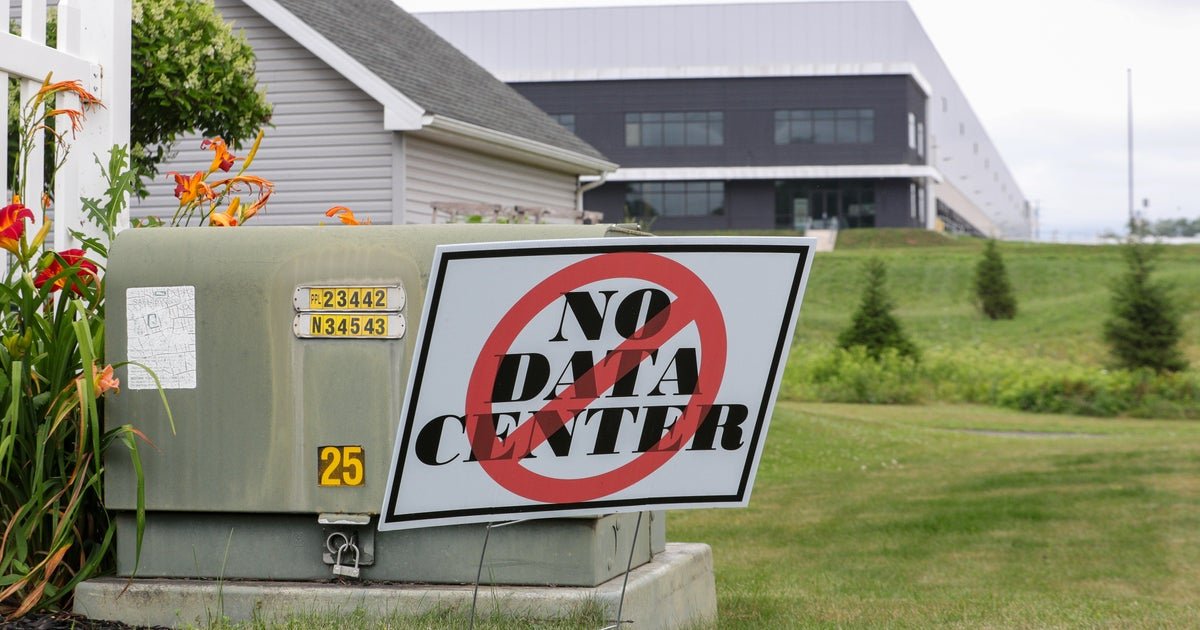
The big trigger was the artificial intelligence (AI) trade. Specifically, investors are worried that the Democratic majorities could slow the progress of AI development and the data center build-outs that have helped to power tech earnings in recent quarters. With the possibility of moratoriums on new data centers and the potential for reducing tax breaks for new constructions, the major players, including Nvidia (NASDAQ: NVDA), saw sharp pullbacks.
Given how far and how fast mega-cap tech stock prices have risen over the past few years, a pullback could be considered normal and healthy. It was likely to happen at the first signs of a slowdown in growth or a peak in the capex spending cycle. The midterm elections may have been the catalyst to ignite concerns about that, although several big companies are so far maintaining their aggressive spending plans into 2027.
But given the sudden swing in U.S. stocks, this could ultimately be more of a knee-jerk reaction than a new long-term trend.
The “up 10%” story: Strong earnings with real risks
The longer-term view starts with corporate earnings. According to FactSet, S&P 500 companies are currently on pace for 30% year-over-year earnings growth in Q3. It would also mark the third consecutive quarter that the growth rate was about 25%.
But we know a lot of that growth is being driven by tech earnings (although other sectors are beginning to show solid growth of their own). As tech revenue and earnings go, so does the S&P 500 earnings growth that has added so much support to this market rally.