It’s been a record-breaking year for Wall Street. The S&P 500 (SNPINDEX: ^GSPC), Nasdaq Composite (NASDAQINDEX: ^IXIC), and Dow Jones Industrial Average (DJINDICES: ^DJI) have all hit record closing highs and reached psychologically important levels of 7,200, 25,000, and 50,000, respectively.
But whether these gains are sustainable is another story. A historic shift at America’s foremost financial institution, the Federal Reserve, is exactly one week away — and it threatens to upend what’s been an incredibly strong rally for the Dow, S&P 500, and Nasdaq Composite.
Will AI create the world’s first trillionaire? Our team just released a report on the one little-known company, called an “Indispensable Monopoly” providing the critical technology Nvidia and Intel both need. Continue »

Circle your calendars for May 15
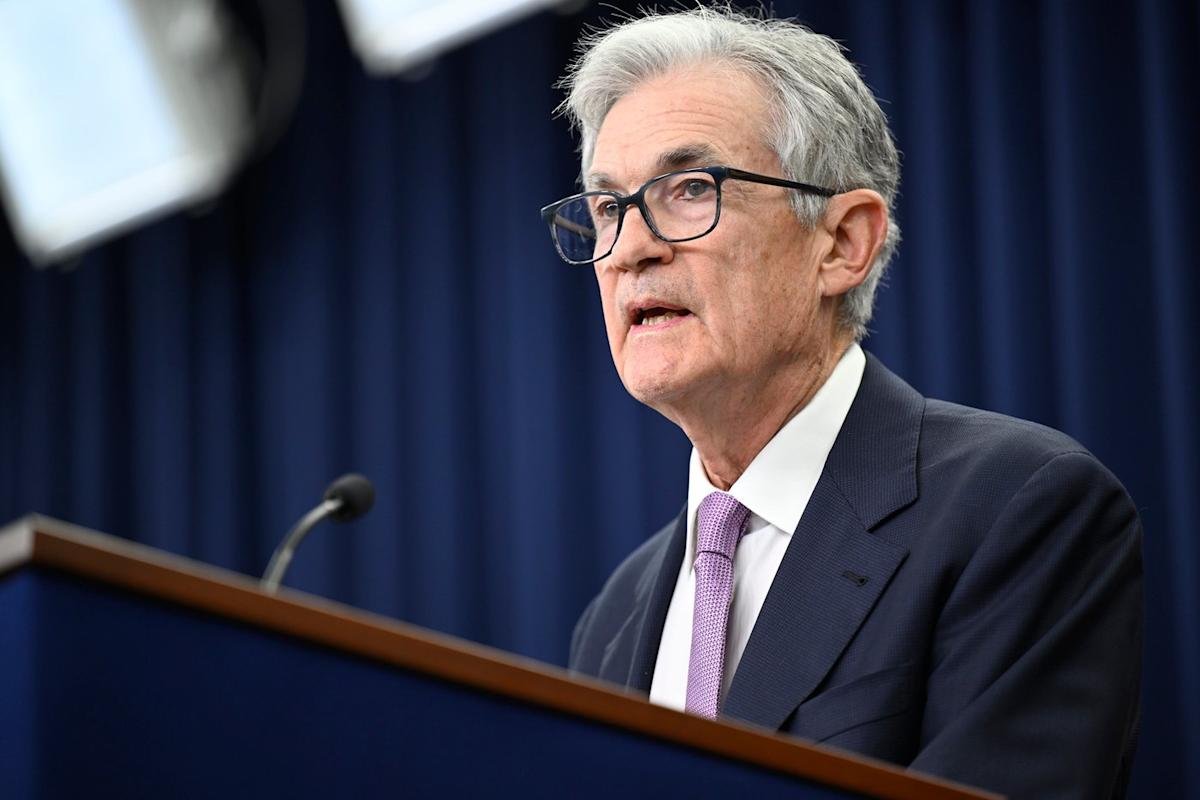
One week from today (May 15) will mark the final day of Jerome Powell’s tenure as Fed chair. Although President Donald Trump originally nominated Powell during his first, non-consecutive term, the signs were clear that he wouldn’t be nominated to stay on as Fed chair for a third term.
Trump has been publicly critical of Powell and other members of the Federal Open Market Committee (FOMC) — the 12-person body that sets the nation’s monetary policy — for not aggressively lowering interest rates. The president has gone on record as desiring interest rates of 1% or lower.
Meanwhile, Fed Chair Powell has been unwavering in his view that economic data is the only factor driving FOMC policy decisions. Powell has also pointed the finger at President Trump’s tariffs and the Iran war as separate inflationary shocks that have made easing rates impossible at the moment.
Trump’s nominee to succeed Powell as Fed Chair, Kevin Warsh, is just a full Senate vote away from being confirmed.

A Warsh-led Fed may be disastrous for stocks in the short term
On the bright side, Warsh is experienced. He was previously a member of the Board of Governors of the Federal Reserve and the FOMC from Feb. 24, 2006, to March 31, 2011. He played a role in steering the U.S. economy through the financial crisis.
But this experience also generates worry on Wall Street. Warsh’s FOMC voting record shows he favored higher interest rates to suppress inflation, even as the unemployment rate rapidly rose during the Great Recession. Warsh’s hawkish tendencies make it far less likely that lower interest rates are around the corner.
Furthermore, Warsh has thrown Powell and his predecessors under the bus for allowing the Fed’s balance sheet to expand from $900 billion to nearly $9 trillion from August 2008 to March 2022. Powell’s successor wants to see the central bank deleverage its balance sheet and take a passive role in markets.