Topline
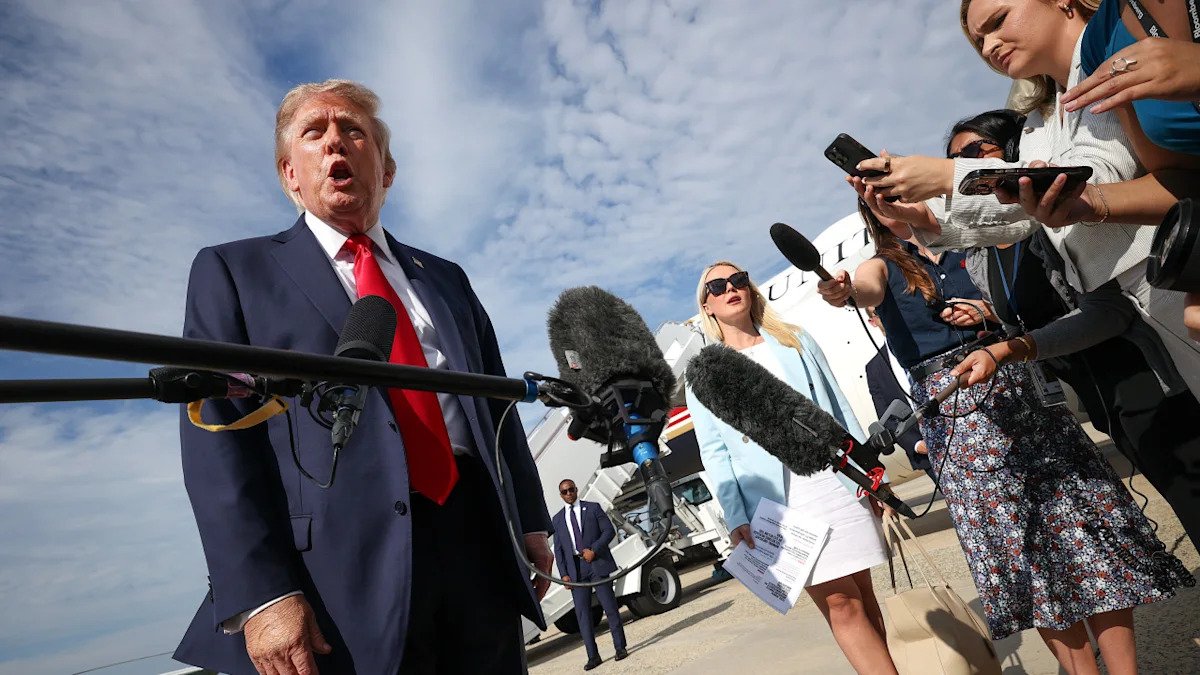
Stocks headed Friday to the end of a tough week and month, as the market’s post-election bump continues to lose steam amid investors’ wavering faith in President Donald Trump’s economic policies, with Tesla, the car company led by Trump’s top deputy Elon Musk, leading the pullback.
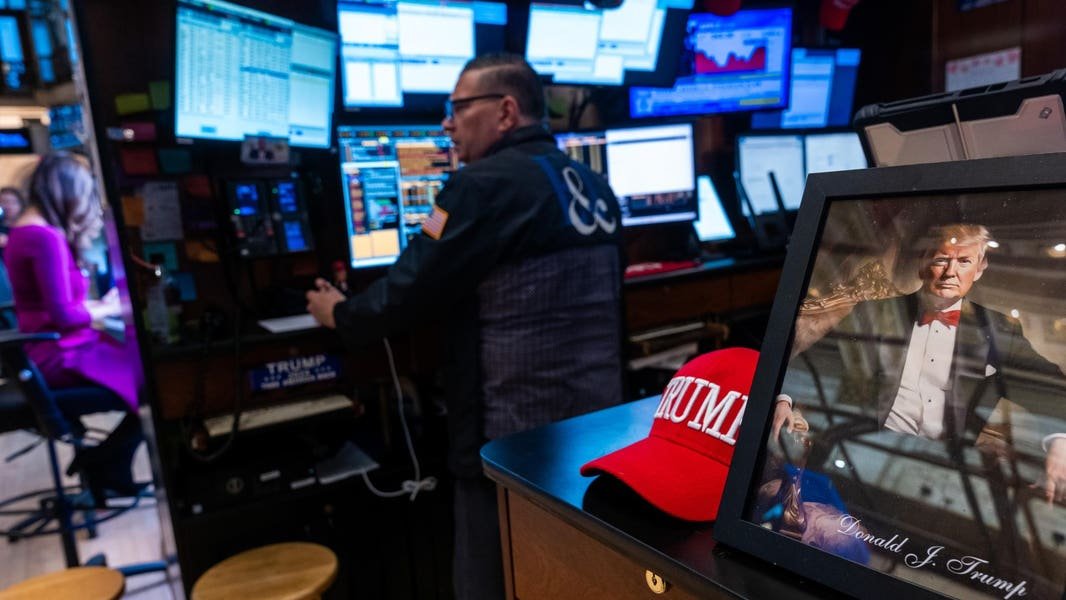
Traders work on the New York Stock Exchange floor on Monday.
Key Facts
Major indexes were positive Friday morning after the latest inflation data met economist forecasts – the blue chip Dow Jones Industrial Average rose 0.4%, or 180 points, by midday, while the benchmark S&P 500 and tech-concentrated Nasdaq gained 0.3%.
February’s positive final trading session caps a still chilly month for U.S. equities, as the Dow is down 2.5%, or 1,100 points, in February, the S&P is down 2.7% and the Nasdaq is down 5.2%.
That would make February the Dow’s worst month since December, the S&P’s worst month since April and the Nasdaq’s worst month since September 2023.
The bellwether S&P is down 1.9% since Trump’s Jan. 20 inauguration and 4.3% from its all-time high set last week, though it remains up 1.7% since Election Day, when stocks surged amid excitement over Trump’s promises for lower corporate regulations and tax rates.
“Trump cares about the stock market” and as such his policy decisions will often follow price changes, but “if the market doesn’t see Trump moving towards more market-friendly policies, the level of trust could continue eroding,” explained Bank of America economists Antonio Gabriel and Claudio Irigoyen in a Friday note to clients.
Why Is The Stock Market Down?
Wall Street’s sharply positive initial reaction to Trump’s victory, led Jeremy Siegel, a prominent professor at the Wharton School of the University of Pennsylvania, to declare Trump the “most pro-stock market president” ever. But that early rally ebbed as investors reacted to turbulence in Trump’s primary economic policies, namely aggressive tariffs. “Trumponomics 2.0 [has] brought a lot of uncertainty and confusion to the table,” Bank of America economists Gabriel and Irigoyen wrote in a Friday note to clients. And if there’s a single buzz word that markets and financial models despise, it’s uncertainty, which has pervaded much of Trump’s tariff rollout, with constantly shifting dates of implementation.
Tesla Stock Still Set For Second-Worst Month Ever
Among the roughly 100 U.S. public companies valued at $100 billion or above, Tesla was by far the biggest February loser, as Musk’s electric vehicle company fell 29% this month. That wiped out close to $360 billion in market capitalization as Wall Street questioned whether Musk’s polarizing White House role would eat into Tesla sales. Shares of Tesla slipped 1% at Friday’s market open, touching their lowest intraday price since Election Day, before reversing to a 2% gain. They now trade about 40% below their all-time high achieved in December as investors piled into the stock following Trump’s victory. Tesla is still on pace for its second-worst month since it went public in 2010, trailing only December 2022’s 37% loss.
Big Number
$64 billion. That’s about how much poorer Musk got in February as his net worth declined from $422 billion to $358 billion, according to Forbes’ calculations. Musk remains by far the richest person alive, leading the next-wealthiest man, Facebook cofounder Mark Zuckerberg, by about $125 billion.
Bitcoin Dives Further Into Correction Territory
Like Tesla stock, the world’s largest cryptocurrency, bitcoin, enjoyed a massive rally after Trump’s election, but its luck has run out in recent weeks. On Friday, Bitcoin fell below $80,000 for the first time since Nov. 10. The digital asset touted by Trump on the campaign trail is down 25% from its all-time high set last month, though it recovered to about $84,000 by mid morning.
Chief Critic
“We don’t think the Trump administration will take measures that have long lasting negative impacts on economic growth or inflation. That is certainly not a winning political strategy,” David Lefkowitz, UBS Wealth Management’s chief U.S. equity strategist, wrote to clients Friday, maintaining his forecast for a more than 10% advance for the S&P by year’s end.