Hussein Faleh / AFP via Getty Images
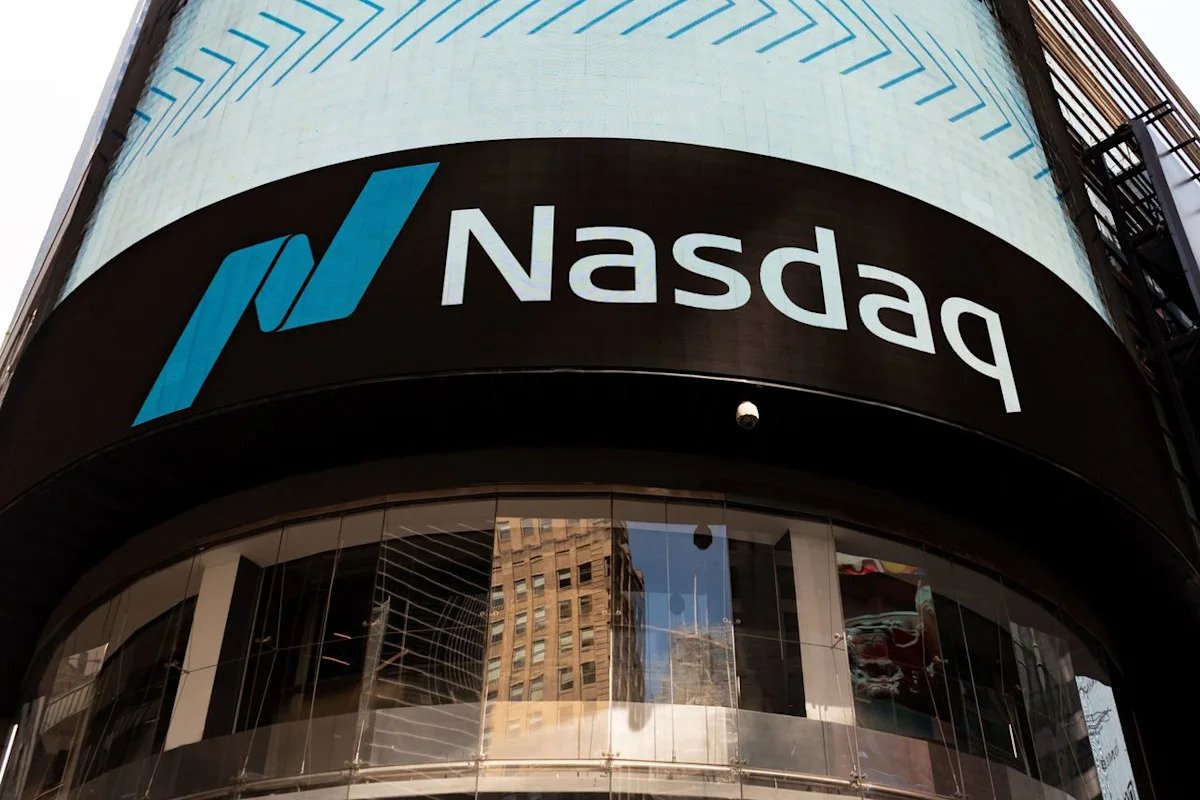
- Stocks have hit a series of records, even as oil has also climbed to Iran-war highs.
- Investors have pivoted their attention towards AI-driven earnings growth.
- But the red flags keep piling up in oil. Available crude is getting scarcer, and prices at the pump are soaring.
Have you had the chance to catch your breath after all those tech earnings? Or are you still wildly celebrating another record high in stocks?
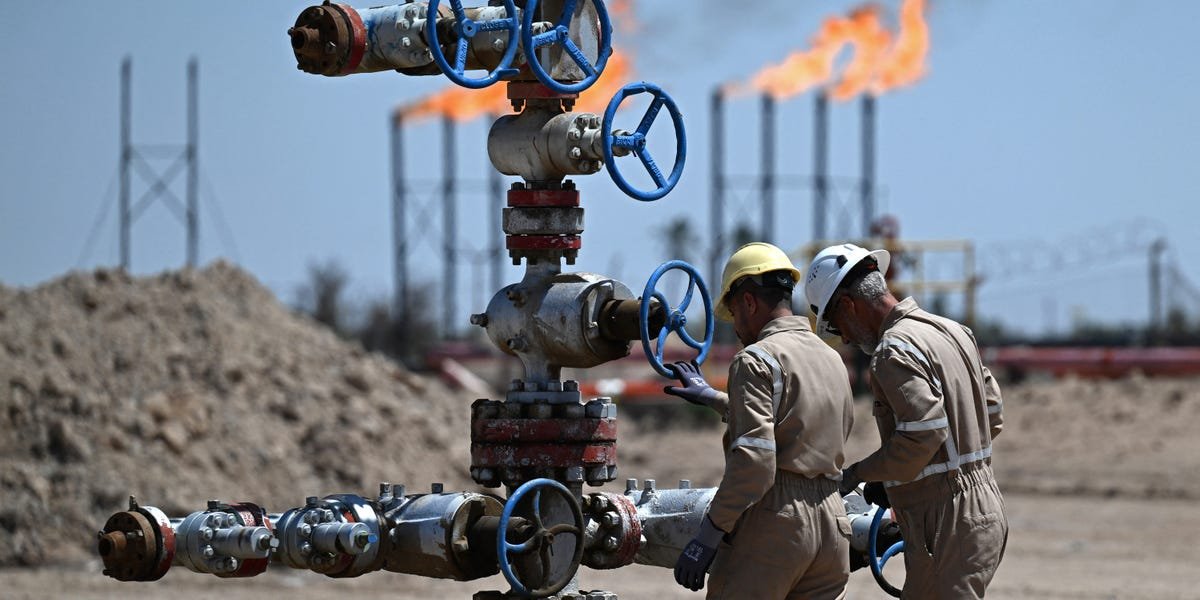
While AI results have dominated attention, oil prices have quietly climbed back near Iran-war highs. Fresh off an eight-day streak of gains, Brent crude reached $126 per barrel in overnight trading on Thursday. It’s up more than 25% since mid-April.
The difference this time around is that investors seem entirely nonplussed. When oil last hit wartime highs in late March, stocks were near multi-month lows. An inverse dynamic has played out.
This can be chalked up to two factors:
- Despite a lack of negotiation progress and continued military action, stock investors are still pricing in an eventual positive outcome, while oil traders skew more negative.
- This tolerance for near-term war uncertainty has allowed investors to pivot their focus from war disruptions to AI-driven earnings growth.
Where do we go from here?
Business Insider recently caught up with Bob McNally, an energy consultant and former White House advisor. After initially speaking with him in mid-March, a few weeks after the war started, we wanted to get an updated outlook.
McNally’s overall view continues to be that crude oil prices will stay elevated for a prolonged period. Here are three reasons why:
- McNally says people don’t yet realize we’re facing an oil shortage, partially because they don’t want to. He calls it confirmation bias in action. But he thinks that once the extent of shortages becomes more apparent, traders will have no choice but to pay attention.
- Speaking of which, McNally sees a rolling global shortage hitting the Atlantic basin, and impacting the US and Europe. This will, in turn, force countries to draw down reserves.
- After the Iran war, McNally thinks countries around the world will look to quickly rebuild oil stockpiles at higher levels, in preparation for future conflicts. This would increase demand and push prices higher in the near term.
McNally also points out that his consulting firm primarily watches the physical price of oil, rather than futures, because “that’s what matters for motorists and the economy.” This measure has traded above the futures price throughout the Iran war — sometimes significantly so.
American drivers impacted at the gas pump
That brings the discussion back to you, the everyday person. As of Thursday, the average US gas price was $4.30 per gallon, following eight straight days of increases. Americans are paying 44% more than they were at the beginning of the war.
But the increase isn’t just hitting your wallet — it could also have political implications. Earlier in 2026, before the Iran war, President Trump made a big push for affordability ahead of midterm elections. The highest price at the pump in four years complicates that.
Not to mention, as the WSJ points out, gas prices have been climbing the fastest in Indiana, Michigan, Ohio, Wisconsin, and Iowa — all states that Trump won in the 2024 election.

Follow Following
Every time publishes a story, you’ll get an alert straight to your inbox!
Look out for an alert in your inbox the next time publishes a story!
Every time a new story is published, you’ll get an alert straight to your inbox!
Look out for an alert in your inbox the next time a new story is published!
By clicking “Sign up”, you agree to receive emails from Business Insider. In addition, you accept Insider’s Terms of Service and Privacy Policy.