Sean Williams, The Motley Fool
4 min read
It’s been a history-filled year for Wall Street. We’ve watched the Dow Jones Industrial Average (DJINDICES: ^DJI), S&P 500 (SNPINDEX: ^GSPC), and Nasdaq Composite (NASDAQINDEX: ^IXIC) rocket to record highs, and just witnessed an ultra-rare shift at America’s foremost financial institution, the Federal Reserve.
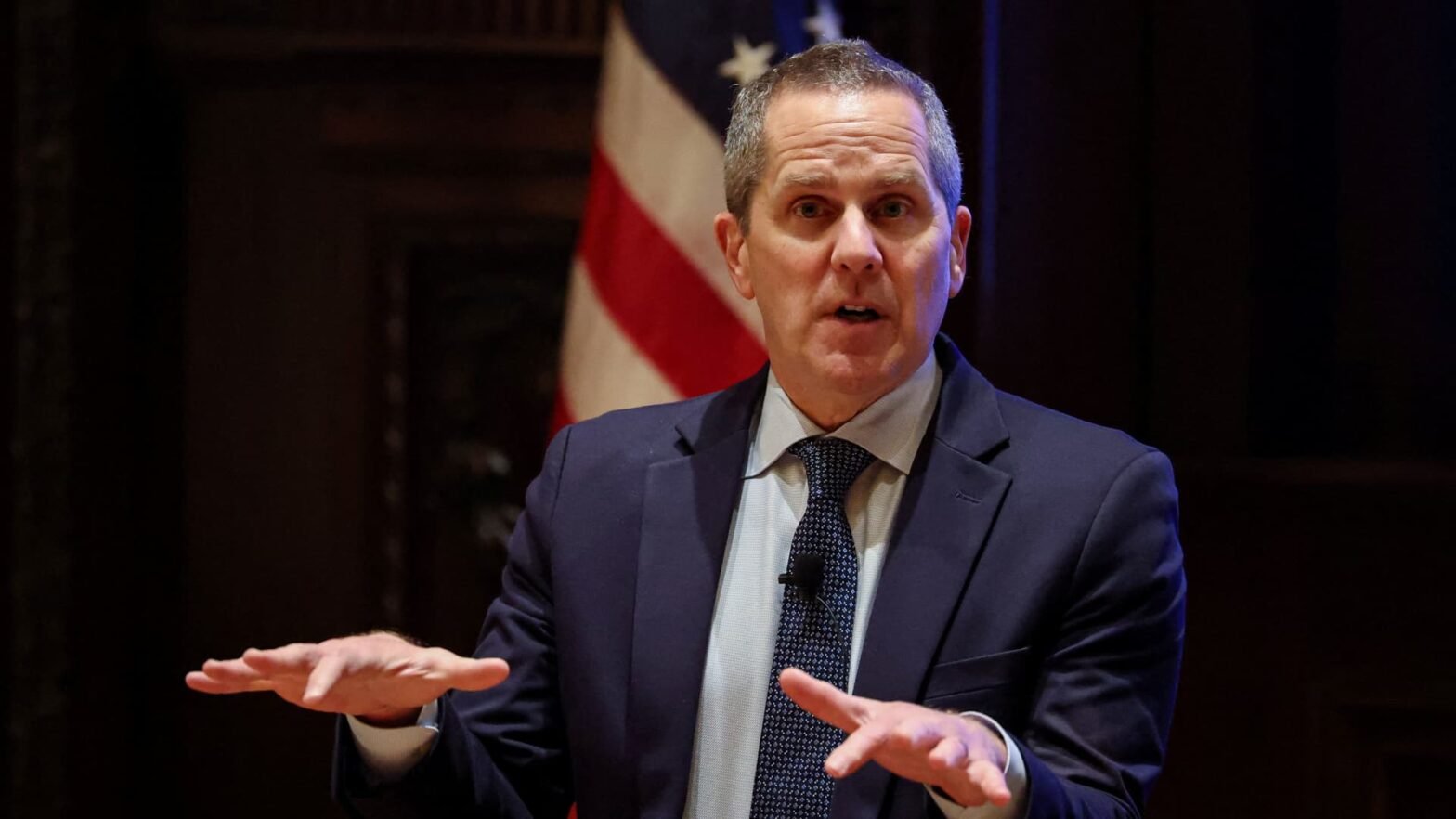
Friday, May 15, marked the final day of Jerome Powell’s tenure as Fed chair, paving the way for Kevin Warsh to take his position as the 17th head of the central bank. While Wall Street uncertainty is fairly common when a new Fed chair takes their post, the chips appear to be stacked against Warsh in the early going — and it threatens to sink the stock market.
Will AI create the world’s first trillionaire? Our team just released a report on the one little-known company, called an “Indispensable Monopoly” providing the critical technology Nvidia and Intel both need. Continue »

Kevin Warsh’s monetary policy ideology may conflict with stocks (and President Trump)
Arguably, the top concern for investors is how Warsh’s strong monetary policy opinions will translate within the Federal Open Market Committee (FOMC) and with the stock market. The FOMC is the 12-person body responsible for setting the nation’s monetary policy.
For instance, the new Fed chair has been openly critical of the central bank’s bloated balance sheet. Between August 2008 and March 2022, the Fed’s balance sheet (composed primarily of long-term U.S. Treasury bonds and mortgage-backed securities) grew from less than $900 billion to nearly $9 trillion. Today, it sits at approximately $6.7 trillion, and Warsh would like to see it meaningfully reduced.
The problem? Bond prices and yields are inversely related. Selling trillions of dollars of U.S. Treasury bonds would (likely) depress bond prices, raise yields, and make borrowing costlier.
Warsh’s FOMC voting record (he was a member of the FOMC from Feb. 24, 2006, to March 31, 2011) also signals potential trouble. Throughout the financial crisis, he favored higher interest rates to suppress inflation, even as the unemployment rate soared.