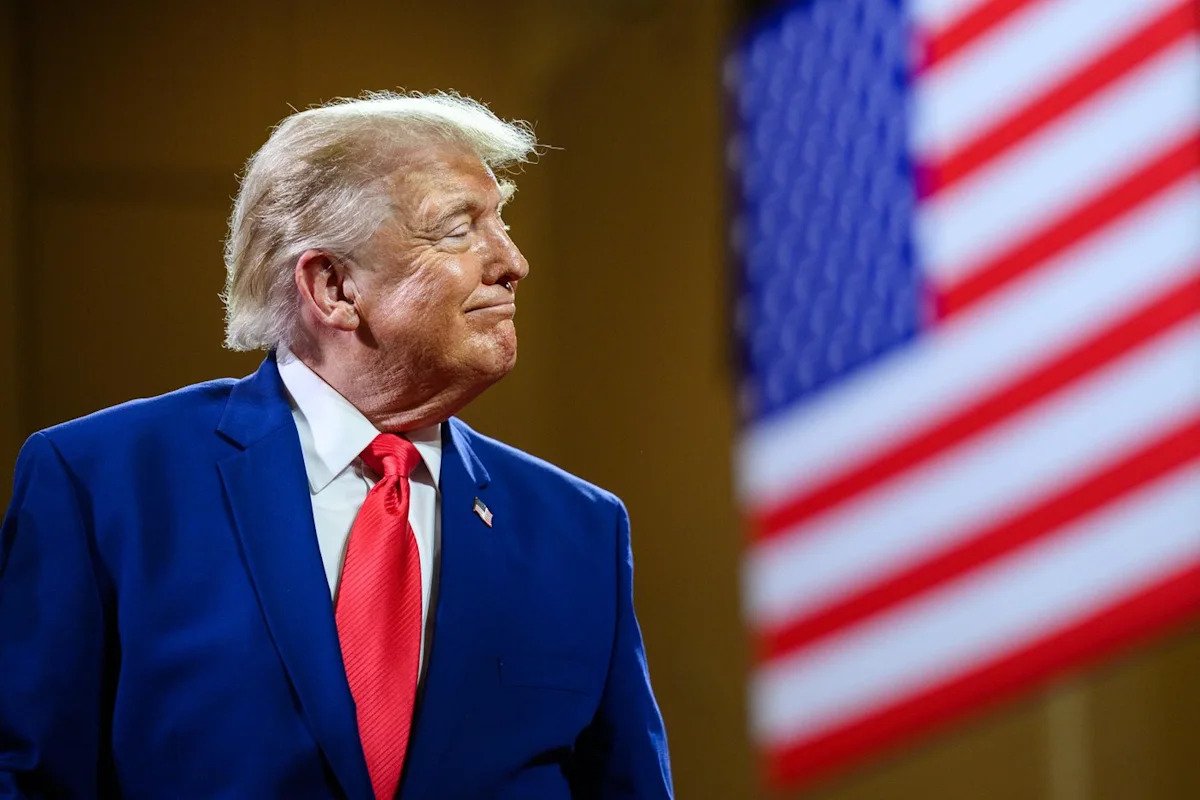
Although Donald Trump’s presidency has brought about some of the stock market’s wildest vacillations in history, there’s no denying that the timeless Dow Jones Industrial Average (DJINDICES:^DJI), broad-based S&P 500 (SNPINDEX:^GSPC), and growth stock-dependent Nasdaq Composite (NASDAQINDEX:^IXIC) have generated outsize returns under Trump.
The Trump bull market has been fueled by the evolution of artificial intelligence (AI), better-than-expected corporate earnings, and record share buybacks powered by the president’s Tax Cuts and Jobs Act (TCJA), which permanently lowered the peak marginal corporate income tax rate from 35% to 21%. But history shows that bull markets aren’t indefinite, with catalysts always waiting in the wings to trip up the stock market.
Missed Nvidia in 2009? This Rare Signal Is Flashing Again. In 2009, a “Double Down” signal flashed for a little-known chipmaker called Nvidia. For the first time in years, that same “Total Conviction” signal is flashing for a company 1/100th the size of Nvidia. Continue »
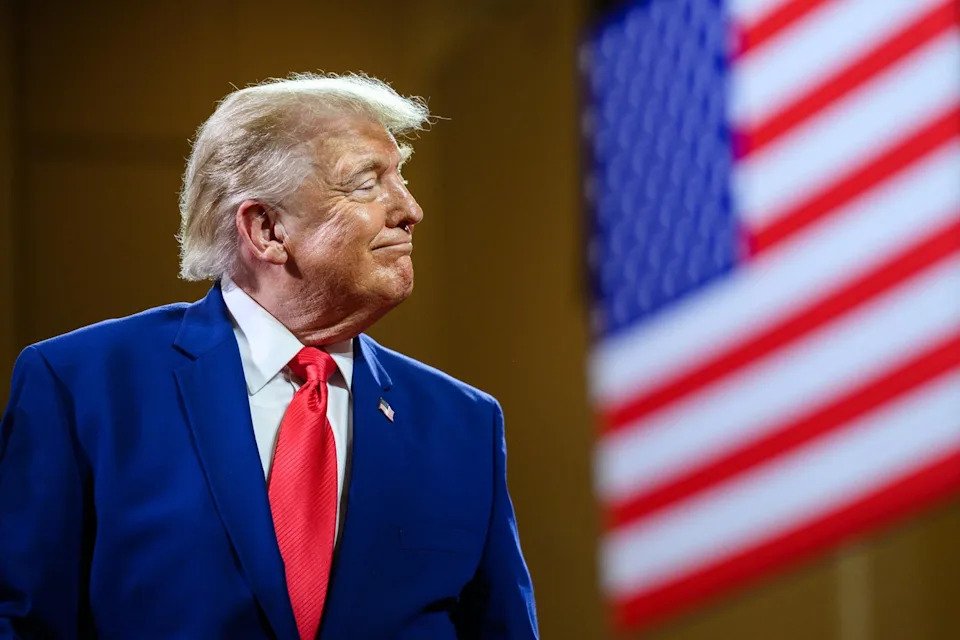
Midterm elections are less than eight weeks away. Image source: Official White House Photo by Molly Riley.
One of Wall Street’s biggest uncertainties is right around the corner. In 52 days, on Tuesday, Nov. 3, Americans will head to the polls or mail in their ballots for the 2026 midterm elections. While President Trump’s term extends to Jan. 20, 2029, the makeup of both houses of Congress by early January 2027 is very much in question.
Could rearranging the puzzle pieces in Congress cause the stock market to plunge? Three-quarters of a century of historical precedent offers an unexpected but ultimately pleasant answer.
Congressional shake-up is expected in November
As of this writing on Sept. 9, Republicans hold a unified government. In addition to controlling the White House, they hold 53 of 100 seats in the Senate and 218 of 435 seats in the House of Representatives.
Unified governments make it considerably easier to pass major legislation. The first two years of each of President Trump’s non-consecutive terms have featured a unified government. Not surprisingly, the president was able to sign two massive pieces of tax and spending legislation into law.
The aforementioned Tax Cuts and Jobs Act (December 2017) permanently lowered the peak marginal corporate income tax rate, while the “Big, Beautiful Bill” (July 2025) made the TCJA’s personal tax brackets permanent.
If Republicans lose one or both houses of Congress, passing major legislation becomes considerably tougher, if not impossible. It also complicates debt-ceiling negotiations, which can lead to government shutdowns. While previous government shutdowns haven’t caused the stock market to plunge, they have added to near-term uncertainty.