
The stock market has wobbled a lot this year, on both sides of the pond.
But personally what has most surprised me is how well it has stood up overall so far.
After all, there has been a level of geopolitical uncertainty we have not seen for decades, along with weak consumer sentiment in many markets.
Factors like those sometimes send a market crashing – but we have not seen that happen so far. Maybe it still will, or perhaps it will be years until the next stock market crash. Nobody knows.
But while some investors cower in fear at the mere thought of a crash, the reality is that such a stock market reset can actually be good news for many of us, depending on how we react.
The first thing I think can be positive about a crash is that it helps to provide a harsh reality check on what sort of businesses can still attract investors when the chips are down.
When the market is riding high – as it has been in recent years – some companies attract far bigger valuations than they deserve. Amid the hype, it can sometimes be difficult to know whether a given share is part of this froth, or genuinely doing something new and valuable.
A crash can be a crude pricing tool – many shares may be pushed down below a fair valuation. But in general a crash can do a good job when it comes to providing the harsh truth about massively overvalued businesses.
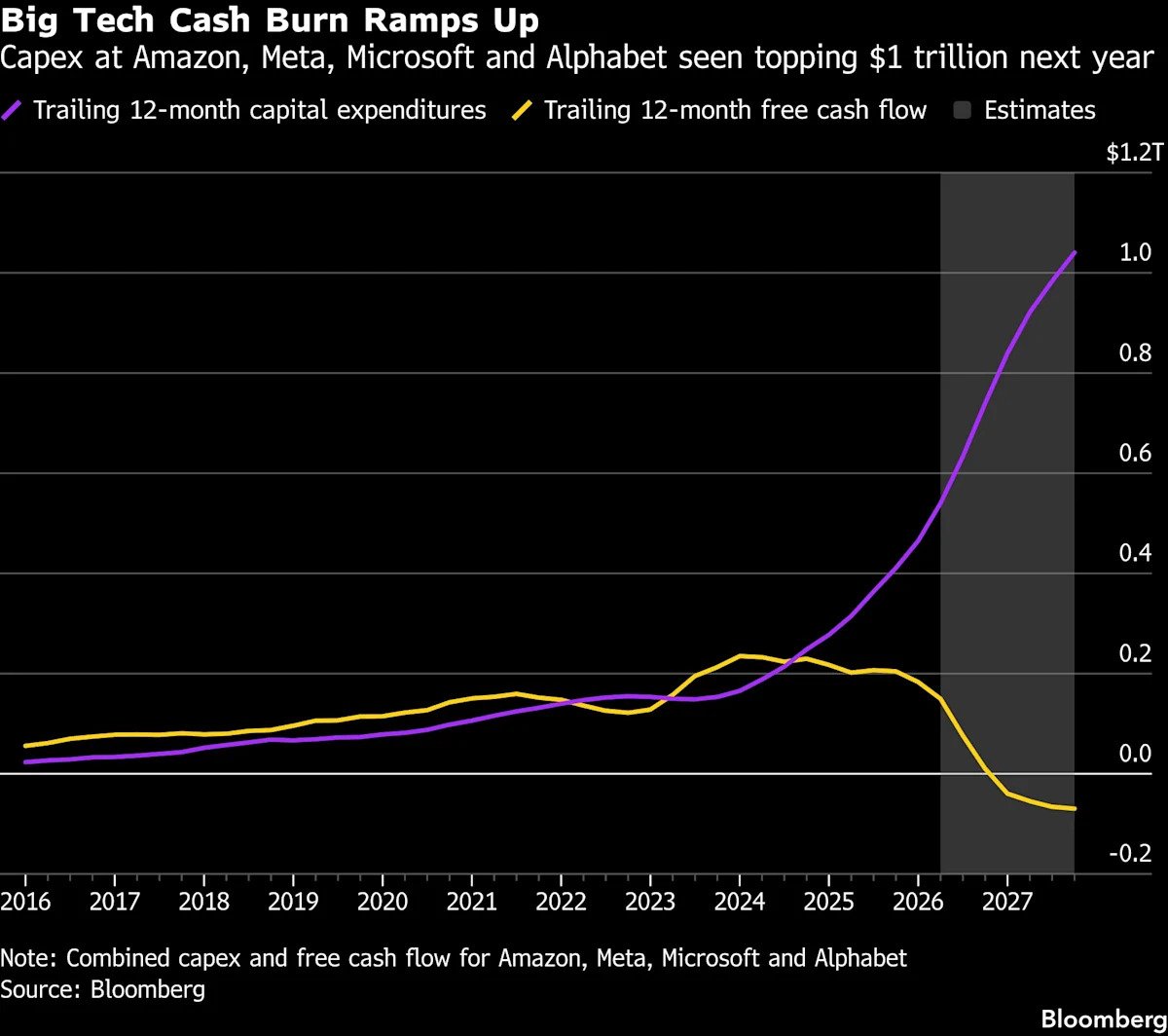
The dotcom crash was the perfect example of this. Now, as then, some investors have been worrying about whether the market is too frothy — this time around because of AI.
As Warren Buffett says, “you don’t find out who’s been swimming naked until the tide goes out”.
Like I said above, a crash can send share prices down including those of perfectly good companies. Sometimes, indeed, it presents an opportunity to buy brilliant companies that have been marked down in price more than their long-term business prospects merit.
Such buying opportunities can be short-lived, so it pays to be prepared. That can involve keeping a watch list of shares one would like to own, if they became available at an attractive price.
A simple example from my own watch list is FTSE 100 retailer Tesco (LSE: TSCO).
Do I think the nation’s leading grocer is an excellent business? Yes. Do I think it merits its current valuation of 22 times earnings? No.
Tesco is a world class retailer. But selling groceries in the UK is a brutally competitive business, with thin profit margins.
Last year, Tesco recorded revenue of £61bn. Its net profit was £1.5bn. That may sound a lot, but as a percentage of the revenue it is around 2.5%.