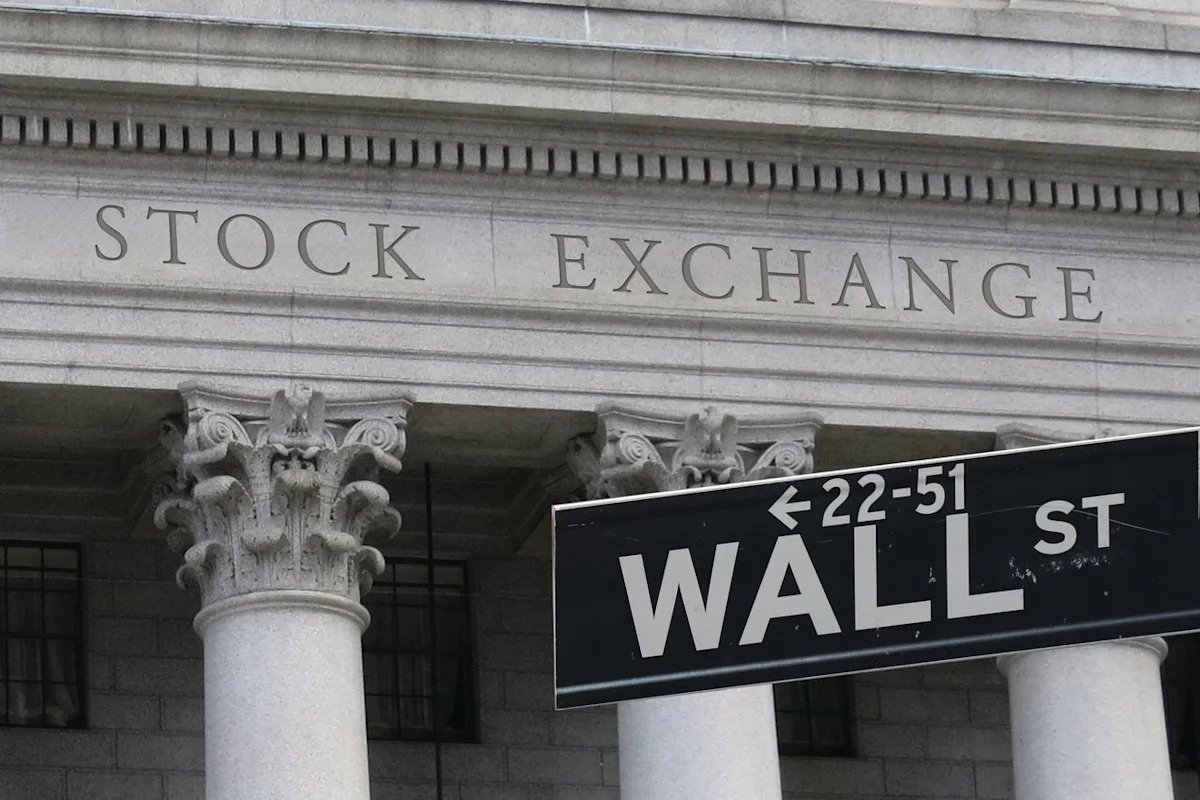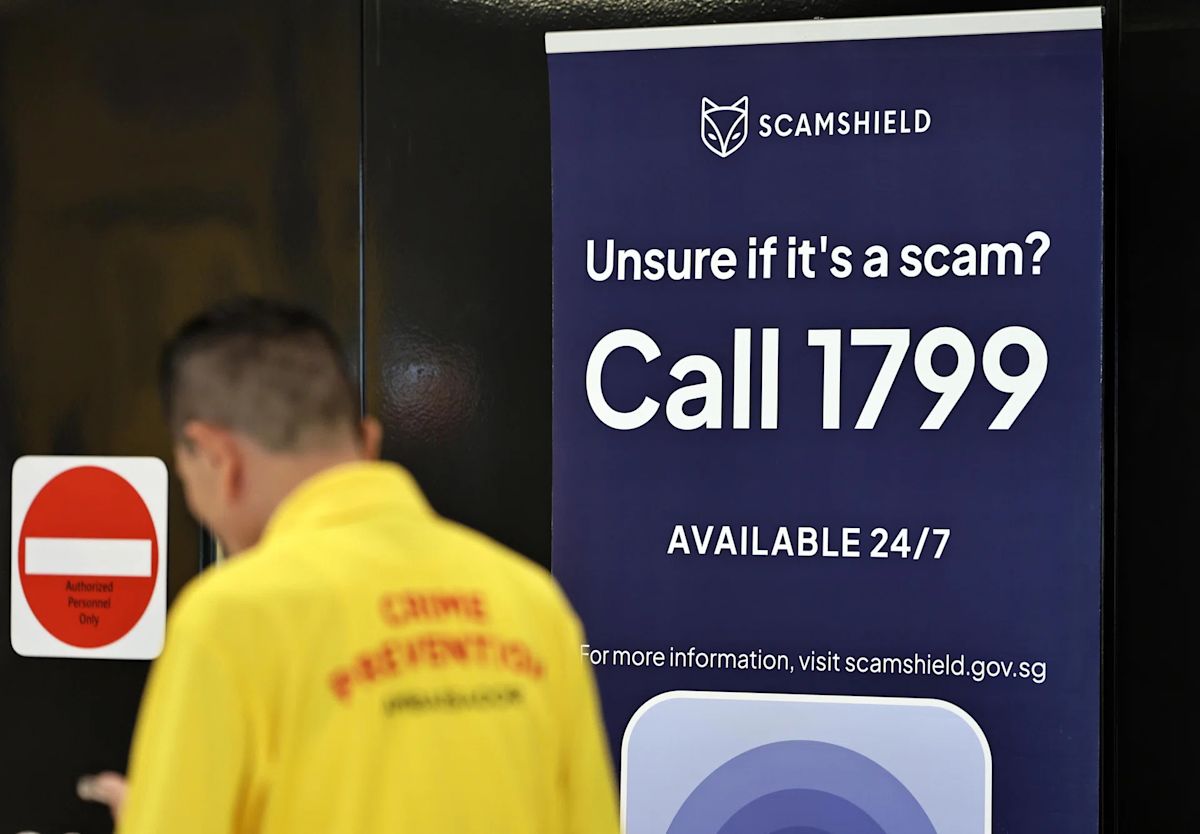
SINGAPORE – A total of 21 cases of stock market manipulation scams involving companies listed overseas has been reported in Singapore since July, with one involving a Hong Kong-listed firm recording losses of over S$700,000.
In an advisory on Sept 5, the police said they have noticed a resurgence in the scam variant, which they last warned the public about in 2021.
Commonly known as “pump and dump” scams, scammers posing as investment experts would promote selected shares using false or misleading claims, creating an appearance that there is strong market interest in the company.
After demand and prices for these shares are driven up through this “pump” phase, scammers would then sell off their holdings at the inflated price in the subsequent “dump” phase, causing share prices to collapse rapidly.
Victims who invested in these companies will then be left with substantial financial losses.In a recent case, a Singaporean couple logged over $500,000 in losses on paper after they were led into pumping $650,000 into buying stocks of a Hong Kong-listed company whose value then nosedived.
In an advisory on Sept 5, the police said they have noticed a resurgence in the scam variant, which they last warned the public about in 2021.
Victims in the recent cases were approached mostly through social media or messaging platforms such as WhatsApp, the police said.
Scammers would create chat groups on these platforms, sometimes using Singapore-registered numbers, and introduce themselves as experienced investors or trading mentors with insights on investments.
At first, they may recommend shares that performed well or generated profits for the victims
Fraudsters created group chats, built trust and shared investment tips with victims.
Once they have gained the victims’ trust, the scammers will urge victims to buy shares of a supposedly “high-potential” company listed on either Hong Kong or US stock exchanges.
To maintain pressure on participants, scammers may also plant accomplices in the chat group who pose as administrators to contact victims privately and provide additional instructions.
Victims may be instructed to provide proof of their trades via private chats once they have bought the shares. It is believed that these accomplices were rewarded based on the number of victims who invested, which led to them needing these proofs to claim their rewards, the police said.
Fraudsters reveal the “high-potential” company and requested screenshots of sharepurchases.
In another case, five victims collectively bought 1,037,000 shares in a Hong Kong-listed company after receiving advice from the scammers. The share price fell by almost 75 per cent within a week, resulting in combined losses exceeding HK$4.6 million (S$744,000), the police said.
Scammers would also promise to reimburse trading losses incurred in some cases. However, when victims seek compensation after suffering losses, scammers become uncontactable or provide excuses for not honouring these promises.
Fraudsters gave excuses after the share price plunged and offered compensation.
In its advisory, the police urged the public to be cautious of stock tips provided online or by individuals they have not met personally.
“No investment or trading strategy can guarantee profits,” the police said.
The public should also be wary of “buy now” tactics which create high pressure by convincing victims that they will never get another chance of profiting if they do not act immediately.
The police also reminded the public to be particularly sceptical of overseas-listed shares with low liquidity and small market capitalisation, as these shares may be more susceptible to price manipulation.
Source: The Straits Times © SPH Media Limited. Permission required for reproduction