Quick Read
-
SpaceX’s 4% float topped by 11 forced-rebalancing leveraged ETFs sent SPCX down 23% and SPAL crashing 43% in one week.
-
Semis now hold a record 19% of the S&P 500, which is double their 2000 weight, making NVIDIA’s 7% monthly slide a full-index problem.
-
Muse’s demand bull case holds: Micron posted 196% revenue growth YoY and rallied 268% year-to-date, with memory supply tightening into 2027.
-
Act now: the analyst who called NVIDIA in 2010 just named his top 10 AI stocks — and SPAL didn’t make the cut. Grab the names FREE today.
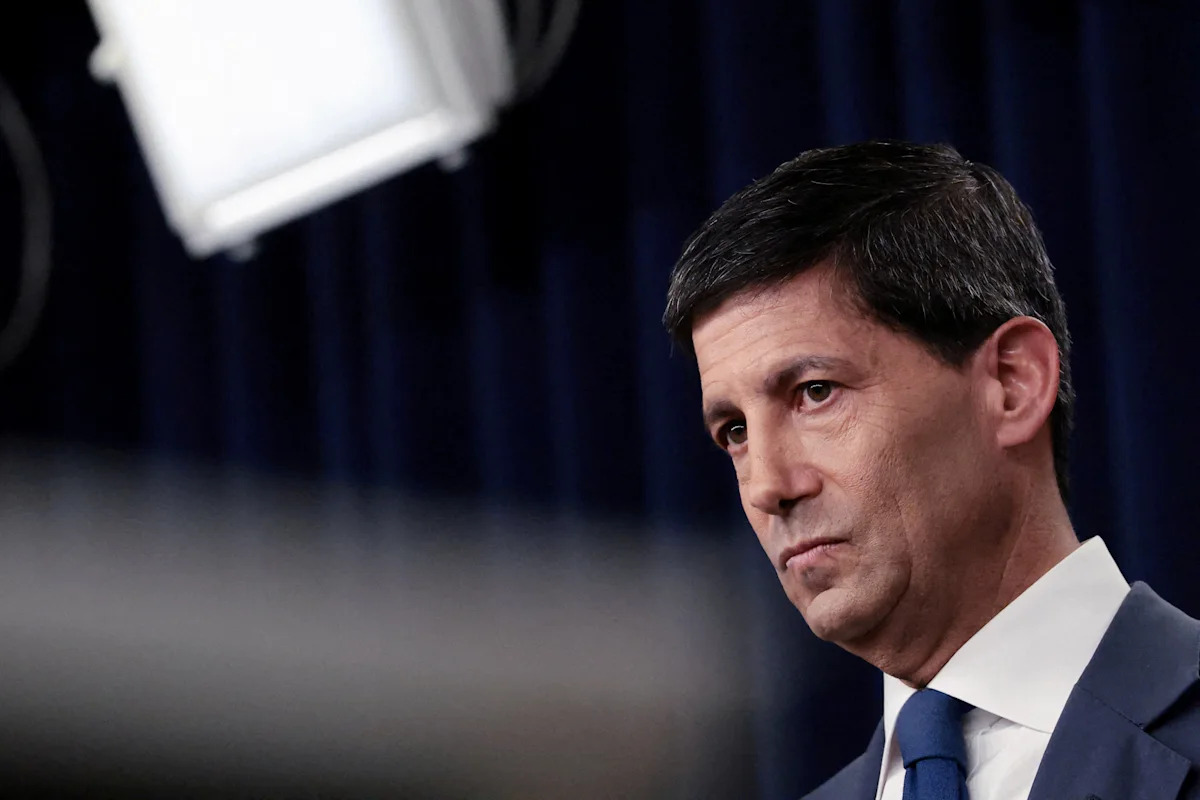
The question dominating CNBC’s Squawk on the Street on June 24, 2026: is the plumbing of leveraged single-stock ETFs now driving price action, rather than fundamentals? Host Carl Quintanilla led a discussion with David Faber, Leslie Picker, and Cantor Fitzgerald’s CJ Muse that put market structure at the center of this week’s tech sell-off, ahead of the AI demand story.

The Structural Thesis: A Thin-Float IPO Meets a Wall of Leverage
The case study is SpaceX (NASDAQ:SPCX). Faber argued that leveraged ETFs are a structural phenomenon that can limit liquidity, and when they rebalance toward the close they create outsized moves in both directions. He noted roughly 11 leveraged or derivative ETFs launched right after SpaceX went public with only a 4% float, layering forced daily rebalancing on top of already-limited tradable supply.
SpaceX-linked products include the GraniteShares 2x Long SpaceX Daily ETF (CBOE:SPAL), along with additional 2x short, ProShares Ultra, Defiance Daily Target 2x Long SPCX ETF (SPCU), and Kurv Enhanced Income variants. SPAL carries a 1.5% gross and net expense ratio per its June 12, 2026 prospectus (see the SEC filing).
The price action backs up the mechanics. SPCX fell 22.64% over the week ending June 23, from $201.80 to $156.11, after clearing $200 days earlier. SPAL, the 2x long product, dropped 42.51% over the same stretch, from $37.78 to $21.72. That gap between a 2x daily ETF and its underlying is the daily-reset compounding decay Faber described.
Act now: the analyst who called NVIDIA in 2010 just named his top 10 AI stocks — and SPAL didn’t make the cut. Grab the names FREE today.
Why It Spills Into Mega-Cap Tech
Picker observed that volatility is now happening “at scale.” Unlike the meme-stock era, which was largely small caps, semiconductor shares now sit at a record roughly 19% of the S&P 500, about double the level from 2000. Daily swings in a handful of names move the index.
That concentration shows up directly in the SPDR S&P 500 ETF (NYSEARCA:SPY), where NVIDIA alone carries a 7.58% weight as of the March 17, 2026 fact sheet. SPY fell 2.23% over the week ending June 23, with a 1.62% one-month decline. NVIDIA (NASDAQ:NVDA) slid 6.99% over the past month to $200.04. The VIX closed at 19.49 on June 23, up 18.8% week-over-week from 16.41, ranking in the 77.1 percentile of its 12-month range. Stress is broad-based across the market.