JPMorgan Chase Bank (JPM) recently revealed that it is reversing course on allowing its customers a convenient privilege that holds the risk of wreaking havoc on their finances, but the move may be more calculated than what it appears to be at first glance.
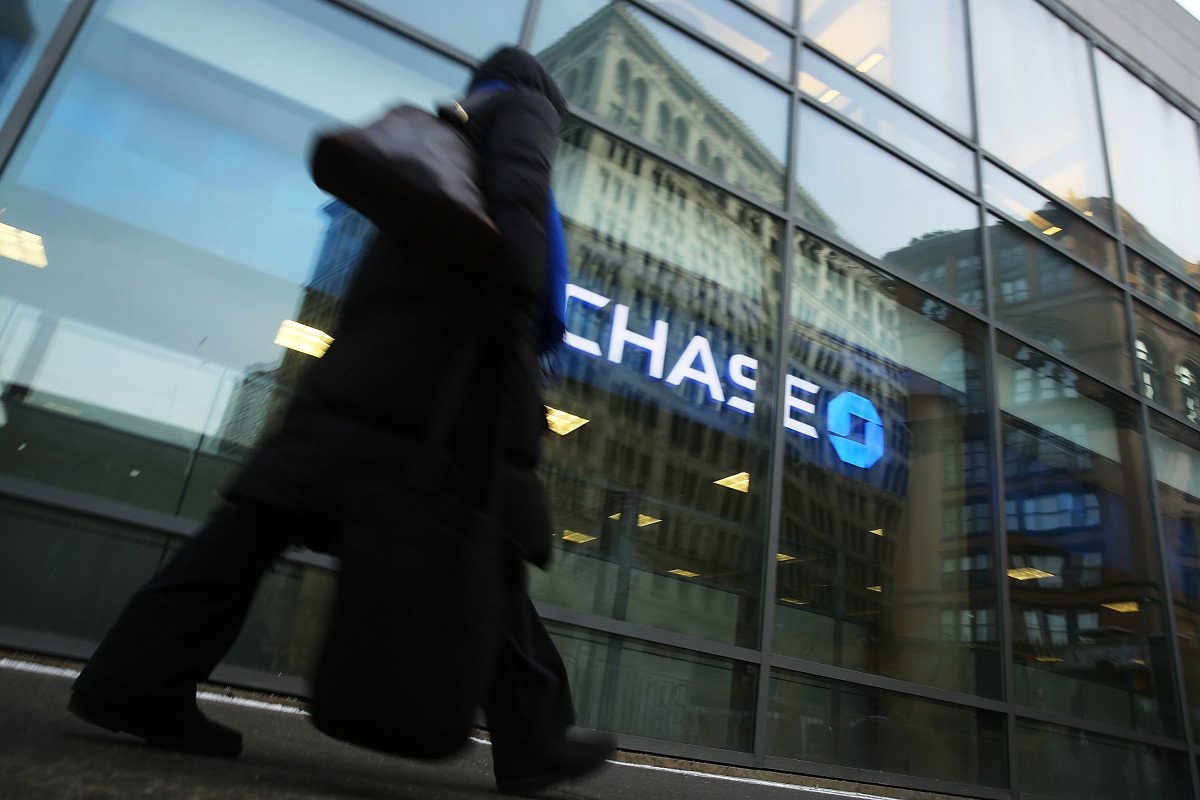
As a growing number of consumers opt to use buy now pay later (BNPL) loans to make purchases, Chase has recently been warning customers that it is banning its credit cards from being used to chop off balances associated with these loans.
Related: Feds reveal a major bank illegally charged customers extra fees
Recently, a Reddit user revealed a notice they received from Chase on their credit card statement, which detailed that the change is set to take place in early October.
“Effective October 10, 2024, you will not be able to use Chase credit cards to pay for third-party Buy Now Pay Later (“BNPL”) installment plans,” read the statement, according to the Reddit post. “Payments to these installment plans (e.g., Klarna, AfterPay, etc.) using your Chase credit card will be declined. If your Chase credit card is used for any of these recurring BNPL plans, please update the payment method with your BNPL provider to avoid any missed payments or late fees (if applicable).”
The change comes at a time when consumers are racking up debt due to BNPL. According to a recent survey from Bloomberg News, which was conducted by Harris Poll, 43% of people who took out BNPL loans said that they were behind on payments, and 28% said that the loans caused them to be delinquent on other debt.

Chase to profit from “calculated” move
While Chase’s move appears to be solely beneficial for customers, shielding them from accumulating even more debt by using credit cards to pay off BNPL loans, Chase will also significantly profit from the move.
“Chase’s decision to stop allowing its credit cards for third-party BNPL platforms like Klarna and AfterPay is a smart, although calculated, move,” said Cassandra Happe, communications manager at WalletHub. “Effective October 10, 2024, this change is clearly designed to steer customers towards Chase’s own BNPL service, Chase Pay Over Time. By doing this, Chase not only captures all transaction fees and interest but also gains better control over customer data and spending behaviors. This data is invaluable for tailoring financial products and services, ultimately strengthening Chase’s competitive edge.”
Chase isn’t the first bank to ban its credit cards from being used to pay off BNPL balances. In 2020, Capital One also made the same decision, citing that using credit cards to pay off those balances was “risky” for both customers and banks.
Goldman Sachs on ‘correction watch’ as stocks track CPI, Powell shift
Why The Recession Never Really Hit — And What Indicates That It Still Could
This major airline has been quietly preparing to go public in the US
Happe also claims that consumers with good credit can use a 0% introductory APR balance transfer credit card to manage BNPL debt without accruing interest. She also said that personal loans can also be beneficial.
“Personal loans can consolidate multiple debts into a single, fixed monthly payment at potentially lower interest rates, offering a structured approach to debt management,” said Happe. “However, it’s crucial to compare the interest rates and fees of personal loans against the terms of BNPL plans to ensure this strategy provides financial savings.”
Atomic Invest CEO David Dindi claims that consumers who have investments can also use a few common trading and investing loans to pay off buy-now, pay-later balances.
“Another way to pay down buy now pay later loans for those that might have investments is through a margin loan or a non purpose loan,” said Dindi. “Interest rates are much lower than credit card loans (6-7%). It doesn’t affect one’s credit score, and there is no repayment pressure provided one keeps the loan to equity ratio at a reasonable place.”
Related: Veteran fund manager picks favorite stocks for 2024
Stay Ahead of the Curve: Subscribe Now to Receive Instant Breaking News Alerts Directly to Your Inbox!
- Latest
- Popular