Deadlock heightened uncertainty, strengthening the dollar and slowing stocks. An economic “New Deal” is urgent, because when the economy stalls, the average citizen pays big time.
Two key economic variables served as a sophisticated barometer regarding investor expectations for the election outcomes. Until the afternoon of Election Day, expectations leaned toward an upheaval and a narrow victory for the “Change Bloc.” This immediately manifested in a roughly 1.5% drop of the dollar against the shekel.
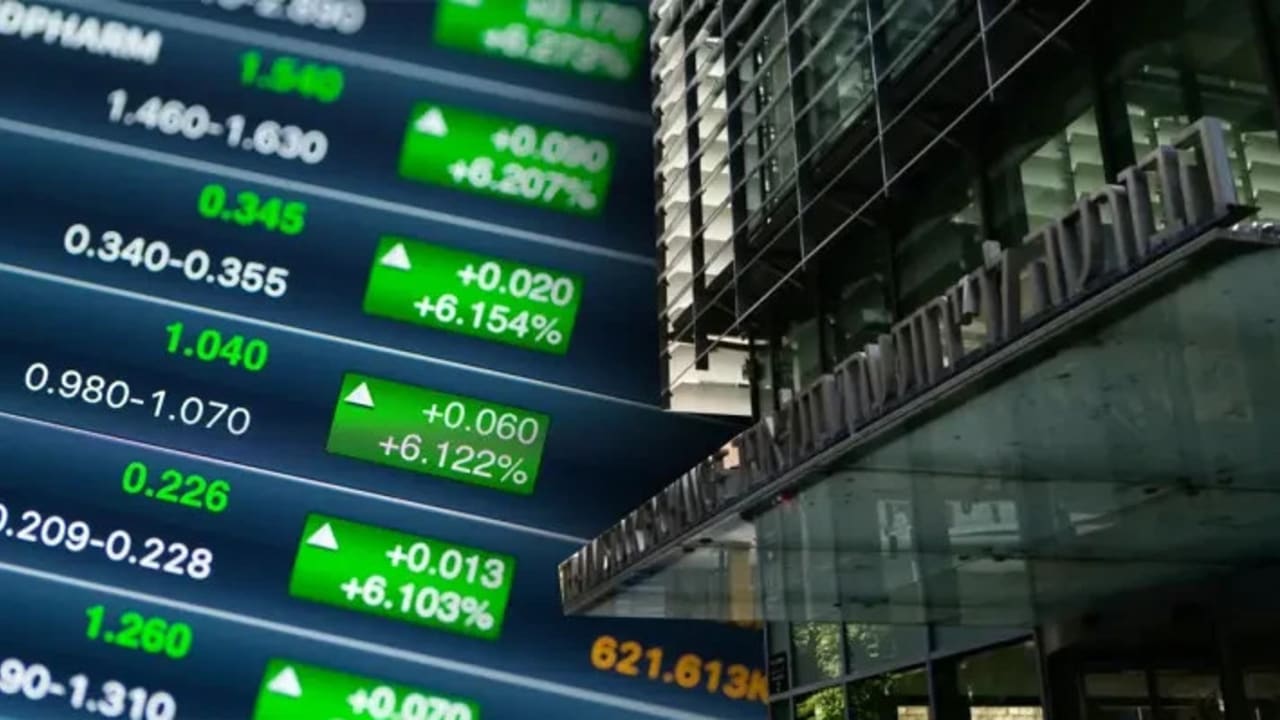
A day before the election, trading on the stock exchange surged, with the Tel Aviv 35 index jumping 1.9% in anticipation of a political shift. However, the markets received a slap in the face due to the political stalemate. Late the day before yesterday, and more precisely the following day, as the hours went by and real results began rolling in, the trend reversed.
The dollar regained strength against the shekel, and the stock market experienced declines, particularly in banking and real estate stocks. Fears of economic chaos and a dangerous stalemate that would harm the market took their toll immediately.
Hopes for stability and structural reforms
Investors expected that a victory for the Change Bloc would be a positive economic event, increasing certainty and boosting confidence in international markets. The assessment was that the shift in priorities would be immediate, and that upon forming the new government, urgent measures would be taken – chief among them approving a state budget, establishing different economic priorities, and launching new structural reforms.
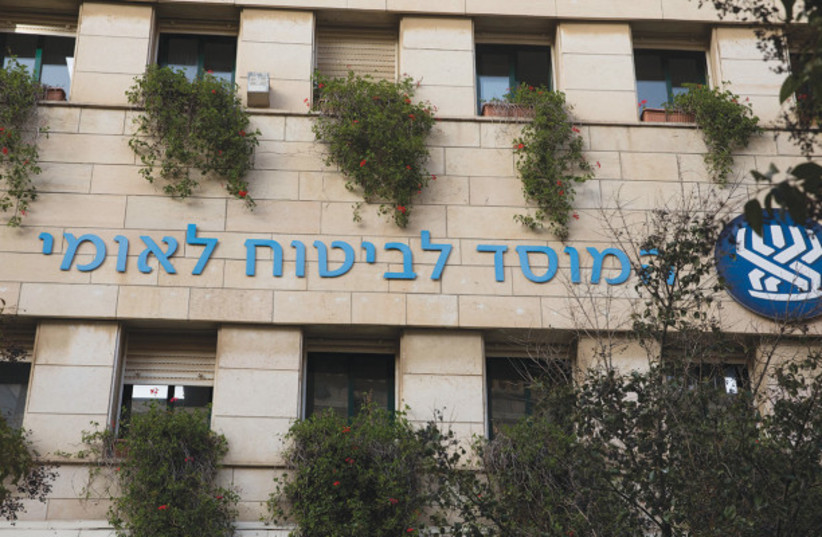
These measures were also supposed to include changes to the education system, incentives for the haredi (ultra-Orthodox population to join the workforce (including addressing the Draft Law), and foundational reforms for the Arab sector. Alongside these, changes in tax policy were needed to increase tax revenues and reduce inequality. To benefit citizens and improve governance, several urgent appointments needed to be finalized: First, appointing a State Comptroller; second, appointing a Director General for the National Insurance Institute – and these are just two examples among many.
Despite this, as the election results and the political entanglement became clear, it turned out that these measures would not be implemented. Even worse, economic uncertainty, alongside political uncertainty, will now be greater than ever, and the financial markets are already penalizing it.
The need for joint economic agreements
The immediate priority, therefore, is to reach a “New Deal” between the coalition and the opposition on economic matters. Prime Minister Netanyahu must once again become the responsible economic adult for the sake of the market. The opposition must work out an agreed framework with him, covering among other things the budget approval, the scope of coalition funds, and agreement on the size of the defense budget and its funding sources. Let us hope the leaders of both blocs are responsible enough to drive such a vital move.
The Change Bloc has plenty of experienced economic figures, such as Keren Terner, former Director General of the Finance Ministry, or Shaul Meridor, former Head of the Budget Department, who can help chart the right path toward approving economic agreements. The current situation, where everything is frozen, will inevitably lead to a reality where the average citizen pays a heavy price.