By Cynthia Kim, Jihoon Lee and Yena Park
SEOUL, Aug 21 (Reuters) – It was a vision to give South Korea a stock market that reflected its true economic dynamism, by shedding regulatory taboos and encouraging bolder bets – instead, it created an investor trauma that could take years to shake.
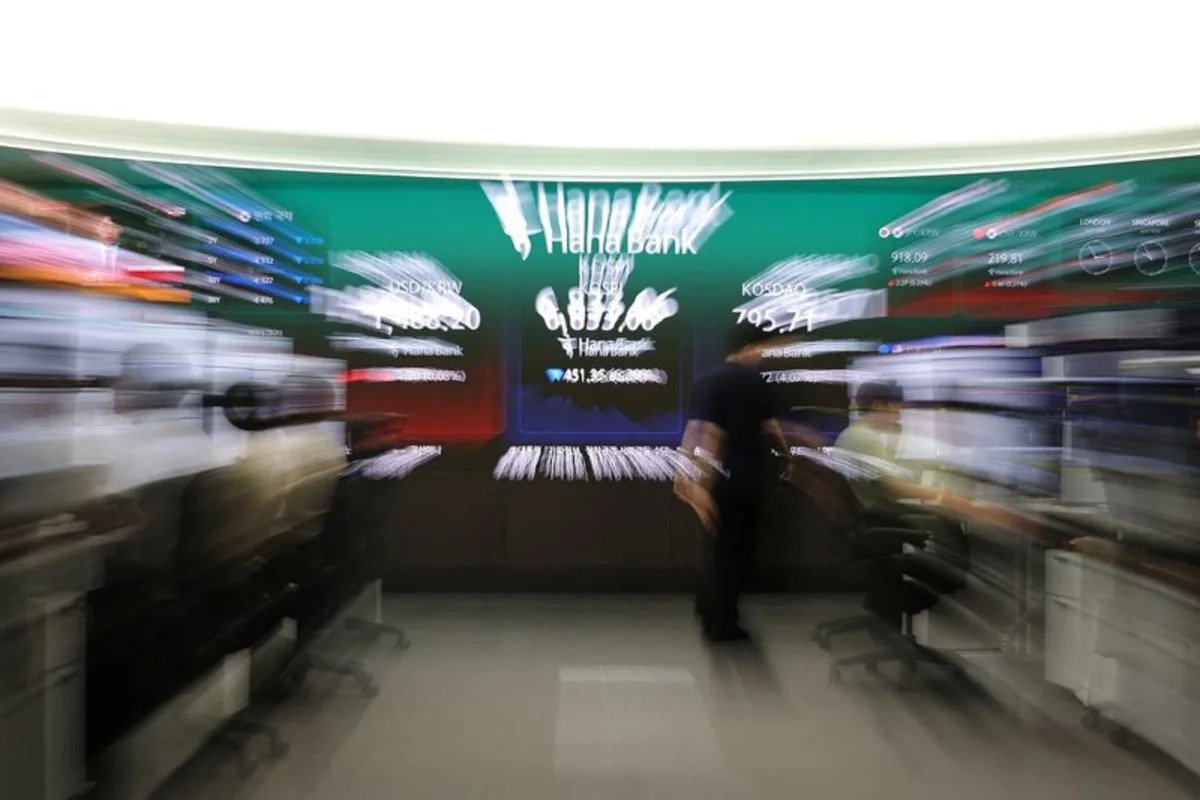
The 30% decline in the KOSPI benchmark since its June 19 peak has hurt President Lee Jae Myung’s government politically and turned the spotlight on an economic system that drove retail investors into poorly understood leveraged products.
It has also raised questions about how South Korea, a tech powerhouse, can progress to developed market status when it hosts such extreme behaviour by retail investors, known locally as “ants” for their tendency to swarm into trades.
“Ultimately many who entered the market may have suffered severe losses, and a majority of them could become so traumatised that they lose interest in investing altogether,” said Jeon Suk-jae, a YouTuber whose investment channel has 3.7 million subscribers.
In the two months since the market’s peak, Jeon has seen the comments on his channel, which hosts videos like the one entitled “the entire nation is intoxicated by stocks,” flip from euphoria to gloom, broadly tracking the national mood.
Beyond the losses – some realised, some still on paper – there is a psychological reckoning that the nation’s leaders are dealing with.
Demand for psychiatric help is rising and other signs of stress are rattling the public. Police in Busan said they had arrested a man in his 20s who is suspected of attempted murder over the stabbing of a YouTuber he allegedly blamed for his stock losses.
MOVE FAST…
President Lee took office last year with a promise to eliminate the market’s “Korea Discount,” the tendency for local stocks to lag global peers due to the dominance of family-owned conglomerates and weak governance.
To close the gap, regulators began discussing more sophisticated products in January, including single-stock leveraged exchange-traded funds that use derivatives to multiply a stock’s daily return.
Such products, popular with Korean investors trading abroad, had backing from the presidential office. “Why is something permitted on the NASDAQ not allowed in Korea?” Kim Yong-beom, the presidential chief of staff for policy, told the Hankyoreh newspaper then.
Such discussions became the catalyst for regulators’ decision to allow the ETFs to launch on May 27. Concerns were internally raised over whether domestic investors understood the risk of heavy losses, but the products were still approved. The only barriers to entry were an hour-long mandatory training course and a 10 million won ($7,208.25) minimum deposit.