The growth of mobile technology has changed how retail investors access financial markets. Trading and investment activities that once depended heavily on desktop systems, physical processes or intermediaries can now be accessed through smartphones. Mobile trading apps provide users with market information, charts, order facilities and account-related features through a single platform. This has made participation in the Indian stock market more accessible to a wider range of retail investors. This article explains how mobile trading apps have changed market access and the role they play in modern investing.
What Are Mobile Trading Apps?
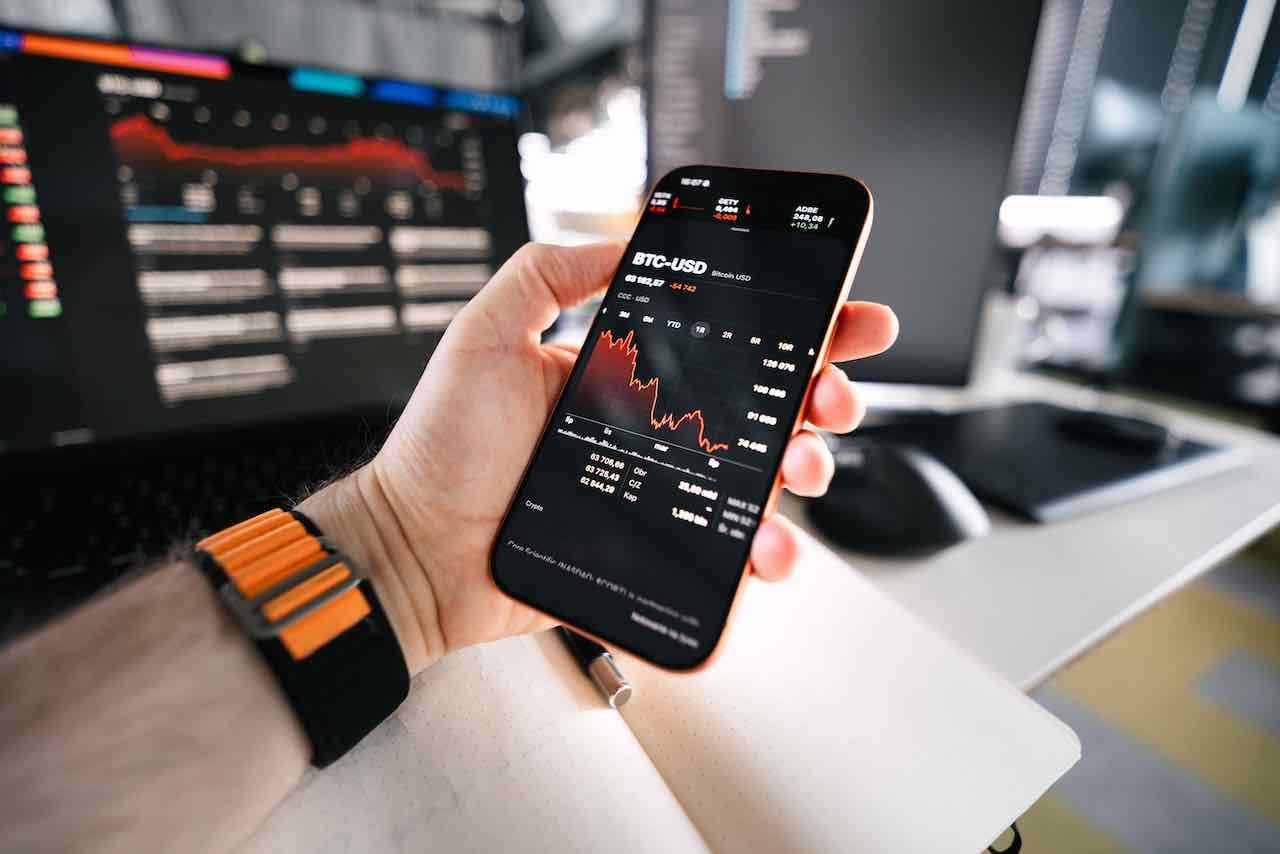
Mobile trading apps are digital platforms that allow users to access stock market-related services through smartphones and tablets.
Depending on the platform, users may be able to view market prices, analyse charts, place orders, monitor holdings and access other investment-related information.
These features bring several market functions together in one interface, making it easier for users to manage their activities without depending on a desktop computer.
How Mobile Apps Changed Market Access
Earlier, accessing the stock market could involve multiple steps and different channels. Investors often relied on brokers, physical documentation and desktop-based systems.
Mobile technology has simplified many of these processes. Users can now complete account-related activities digitally and access market information from different locations.
This has helped reduce some of the practical barriers associated with accessing financial markets and made digital participation more common among retail investors.
Making Market Information More Accessible
Access to information is an important part of market participation. Mobile trading apps allow users to view price movements, charts, company information and other market updates through their devices.
Having this information available in one place can help users follow securities according to their own requirements.
For new investors, simple interfaces can also make basic market information easier to understand and explore before they begin making investment decisions.
The Role of Smartphones in Retail Investing
Smartphones have become an everyday digital tool for many users. Their widespread use has also made mobile-based investment platforms more accessible.
Investors do not necessarily need to remain at a fixed workstation to check their holdings or follow market activity. They can access relevant information through their mobile devices, subject to internet connectivity and platform availability.
This flexibility has contributed to the growth of mobile participation in financial markets.
Digital Account Opening and Onboarding
Mobile platforms have also changed how users begin their investment journey in the stock market. Many processes related to opening a demat or trading account can now be completed digitally.
Users can provide the required information, complete verification steps and access their accounts through online systems.
This digital onboarding process can make the initial experience more convenient compared with processes that previously required greater dependence on physical documentation.
How Trading Apps Support Different Investors
Mobile trading platforms are not limited to experienced market participants. Different users can access different features based on their investment or trading requirements.
Beginners may use apps to understand market prices and basic investment concepts, while experienced users may explore charts, order types and other analytical tools.
The availability of different features allows users to choose how deeply they want to engage with market information.
Access to Multiple Investment Products
Modern investment apps often provide access to more than just individual stocks. Depending on the platform, users may find mutual funds, ETFs, IPOs and other market-related products through the same interface.
This can help investors manage different types of investments without using separate digital platforms for every activity.
For example, a user interested in both mutual funds and stocks may be able to review these investments through one account.
Technology and Financial Awareness
Mobile access has also created more opportunities for users to learn about financial markets. Investment platforms may provide educational material, market updates, research information and other resources.
This can help users become familiar with concepts such as stocks, ETFs, mutual funds and IPOs.
However, access to information does not remove the need for individual research and an understanding of the risks associated with market-linked investments.
Benefits of Mobile Market Access
The wider use of mobile trading apps has introduced several practical benefits for retail investors.
These include:
- Convenient access to market information
- Digital account management
- Faster access to trading interfaces
- Easy tracking of investments
- Access to multiple investment products
- Mobile-based research and analysis tools
The relevance of each feature can differ depending on the user’s experience and investment requirements.
Conclusion
Mobile trading apps have changed how retail investors access and interact with the Indian stock market. From digital onboarding and real-time tracking to access to multiple investment products, smartphones have made many market-related activities more convenient. Platforms such as 5Paisa have contributed to this digital experience by bringing trading, investment information and market tools together through mobile platforms. As technology continues to develop, mobile access is likely to remain an important part of how retail investors participate in India’s financial markets.