Michael Burry’s decision to invest in something as exotic as bonded fine wine reveals a lot about how the famed contrarian picks his investments.
Burry — who rose to fame for betting against the U.S. housing market ahead of the 2008 financial crisis and was later portrayed in Michael Lewis’s The Big Short — explained in a recent Substack post why he was drawn to fine wine after prices fell sharply from their 2022 peak.
Must Read
-
Jeff Bezos backs a platform that lets anyone invest in rental homes for as little as $100 — 6 ways to build wealth like a landlord without actually being one
-
Dave Ramsey warns nearly 50% of Americans are making 1 big Social Security mistake. Here’s what it is and 3 simple steps to fix it ASAP
-
The tax breaks in Trump’s ‘big beautiful bill’ expire after 2028. Here are 4 moves to make before the window closes
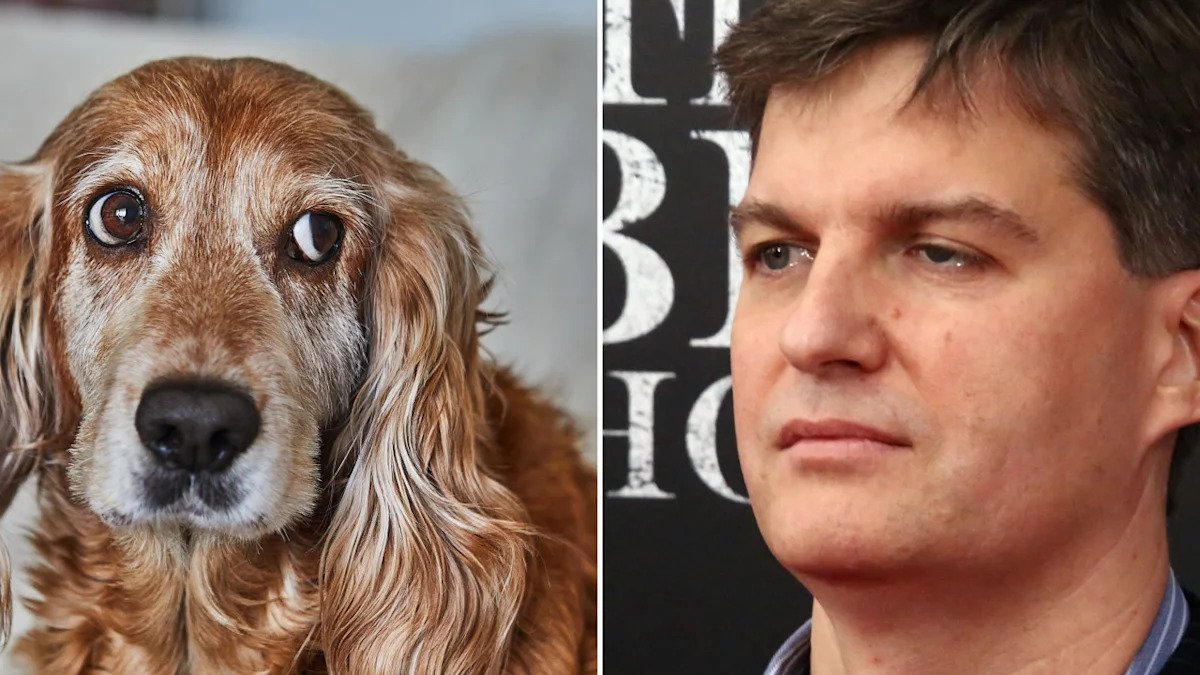
Burry doesn’t want an investment to depend on a single thesis. He looks for several independent factors that can make a bet pay off, an approach he calls a “three-legged dog.”
And three is only the minimum. “I demand at least three legs and preferably five legs under every investment I make,” Burry wrote.
The three legs of wine investing
Each “leg” represents a different reason for owning the investment, giving the thesis more than one way to work.
With wine, one leg was valuation. Prices had fallen sharply from their peak, giving Burry the kind of beaten-down asset he has historically gravitated toward.
In 2000, Burry described his strategy as buying unpopular companies when they looked like “road kill” and selling them after they had been “polished up a bit.” A year later, he coined the term “ick investing” for stocks whose names or circumstances were enough to scare most investors away, as Michael Lewis later recounted in Vanity Fair.
Both were underpinned by a principle borrowed from Benjamin Graham and David Dodd. Burry said his stock picking was “100% based” on the concept of a margin of safety, which he described as protecting against a permanent loss of capital.
The second leg was the unusual economics of collectible wine, where bottles are gradually consumed, and the supply of sought-after vintages can only shrink. Unlike a company responding to higher prices by producing more goods, a winery can’t go back and bottle more wine from a prized vintage. As collectors drink what already exists, scarcity can increase even without a surge in demand.
The third was more unconventional. Burry sees physical wine stored in bonded warehouses as a potential hedge against a weaker U.S. dollar and, more unusually, disruption to digital financial systems from advances in AI and quantum computing. For Burry, bonded wine is a physical asset held outside the conventional financial system, so its value isn’t entirely dependent on dollars sitting in a bank account. In other words, wine could hold its value even if problems emerge elsewhere in the financial system.