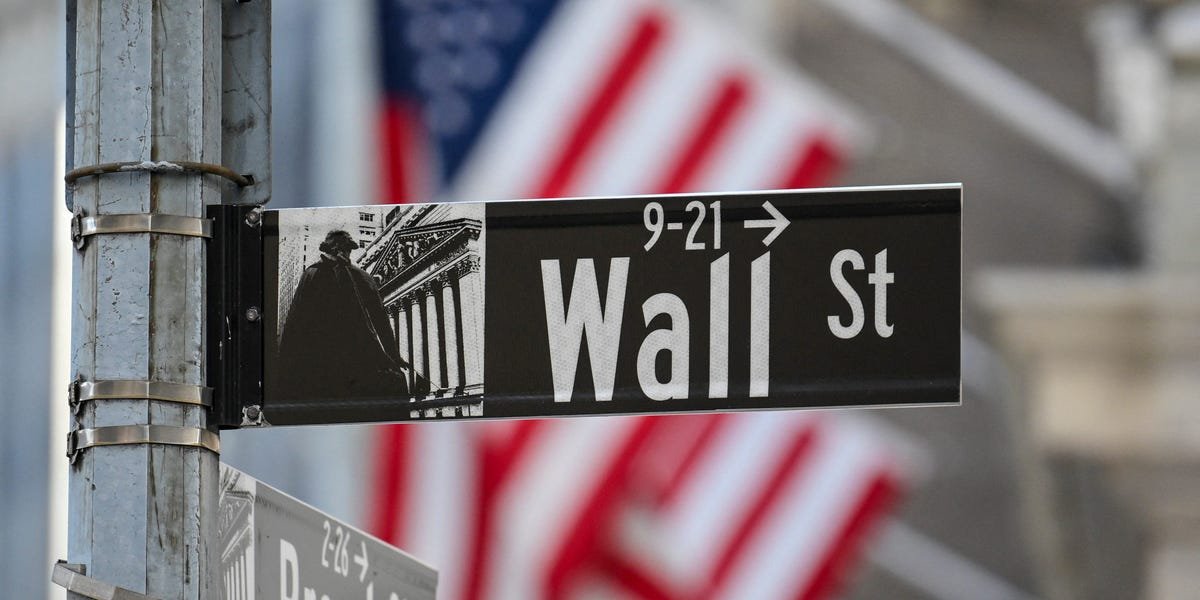
Wall Street put two very different stamps on two very different tech names this week. TD Cowen analyst Shaul Eyal reiterated a Buy rating on Palo Alto Networks (PANW) with a $440.00 price target in a report dated November 19, 2026. At UBS, David Vogt kept Apple (AAPL) at Hold with a $340.00 target.
The reported consensus numbers echo that split. The Palo Alto Networks analyst rating consensus reads Strong Buy, with an average price target of $423.43, described as 19.0% upside. Apple’s consensus reads Moderate Buy with an average target of $343.69. One company gets an enthusiastic endorsement and the other gets a patient shrug.
These calls land on a nervous tape. Our report on the Nasdaq’s 5.3% drop the day after Anthropic’s IPO debut showed how quickly sentiment around tech valuations can turn, and analyst notes carry extra weight when investors want a reason to hold or fold. This analysis walks through what the verified numbers say, what they cannot say, and how engineers and software buyers can read them sensibly.
 ·
Google · Preferred Sources
Don’t miss new tech stories on Google
Add Shattered once in the Google app and our stories show up in your news suggestions.
The Key Numbers Behind the Palo Alto Networks and Apple Analyst Calls
Before any interpretation, here is the short list of what the November 2026 report confirms. Everything below comes from that single report, and we have added nothing to it.
- TD Cowen’s Shaul Eyal reiterated Buy on PANW with a $440.00 target, in a report dated November 19, 2026.
- The PANW consensus is Strong Buy, with an average target of $423.43 and 19.0% upside.
- An entry labeled TipRanks – Google upgraded PANW to Buy with a $359.00 target in a report dated November 6, 2026.
- UBS’s David Vogt maintained Hold on AAPL with a $340.00 target.
- The AAPL consensus is Moderate Buy, with an average target of $343.69.
That is the whole verified record. The report does not include analyst commentary, product details, or direct quotations, so none appear here. When a headline sounds bigger than those five bullets, treat the extra detail as unconfirmed until a named outlet publishes it.
The word reiterated matters, too. Eyal did not change his view. He restated an existing Buy and an existing $440.00 target, which makes this a confirmation of a stance rather than a fresh call. Markets often treat that as mild good news for holders and little news for everyone else.
What TD Cowen’s $440 Buy Rating on Palo Alto Networks Signals
A Buy rating with a price target is a compact claim. The analyst says the stock should outperform over a stated horizon, and the target puts a dollar figure on where it could trade if that thesis plays out. Eyal’s $440.00 sits above the reported consensus average of $423.43, so TD Cowen runs somewhat more optimistic than the pack.
The gap is small. Subtract the consensus average from the TD Cowen target and you get $16.57, or about 3.9% above the average. That puts Eyal inside the bullish camp but not at its extreme. An analyst who wanted to stand out would sit far higher.
Reiterations also say something about conviction. Analysts who change their minds publish revisions, and analysts who stay put publish confirmations. A confirmation arriving on November 19 tells readers that nothing in recent news pushed TD Cowen to alter its numbers, whether up or down.
What the report does not tell us is the reasoning. We have no confirmed text on why Eyal likes the company, which products he credits, or which risks he weighs. Anyone who claims to know his thesis from this report alone is guessing, and we are not going to do that for him.
Palo Alto Networks Analyst Consensus: Strong Buy at $423.43
The reported consensus rating for PANW is Strong Buy. That label sits at the top of the usual five-step scale, so it means the pool of analysts leans heavily toward buying. The average price target of $423.43 comes with a stated 19.0% upside.
We can back into one useful number from that. If $423.43 is 19.0% above the reference price the source used, that reference price works out to roughly $356. This is our own arithmetic and not a quoted share price, and rounding in the 19.0% figure moves the result by only a few cents either way. Treat it as a sanity check rather than a fact from the report.
Run the same math on the TD Cowen target and $440.00 implies roughly 23.7% above that reference. So Eyal’s call sits nearly five percentage points richer than the average on an upside basis. That is a modest premium for a Buy-rated name.
| Data point | Source | Rating | Price target | Date or note |
|---|---|---|---|---|
| Named analyst call | TD Cowen, Shaul Eyal | Buy (reiterated) | $440.00 | November 19, 2026 |
| Upgrade entry | TipRanks – Google | Buy (upgraded) | $359.00 | November 6, 2026 |
| Consensus label | Reported analyst consensus | Strong Buy | $423.43 average | 19.0% upside |
| TD Cowen vs consensus | Our arithmetic | n/a | +$16.57 | About 3.9% above average |
| Implied reference price | Our arithmetic | n/a | Roughly $356 | Derived, not a quoted price |
The $359 Upgrade: Why Target Dispersion Matters
The second PANW data point looks odd next to the first. An entry labeled TipRanks – Google upgraded the stock to Buy with a $359.00 target in a report dated November 6, 2026. That figure sits $64.43 below the consensus average and $81.00 below TD Cowen’s number.
Two explanations fit, and the report does not tell us which one applies. The $359.00 target may predate a later rise in the stock, which would make it stale. Or it may reflect a more cautious analyst who still rates the stock a Buy. In both cases, the lesson is the same: a Buy rating can carry very different price targets.
Our arithmetic shows why the $359.00 figure is interesting. It lands within about 1% of the roughly $356 reference price we backed out of the consensus upside. A Buy with a target barely above the reference price is a thin-upside Buy, while a Buy at $440.00 is a thick-upside Buy. Readers who only scan the rating column miss that difference.
We also flag the label itself. The report names the source as TipRanks – Google, and we repeat that label exactly as written. The report supplies no analyst name for that entry, so we do not attach one.
UBS Keeps Apple at Hold With a $340 Target
David Vogt of UBS maintained a Hold rating on Apple with a $340.00 price target. Hold is the middle bucket. It says the analyst sees the stock performing roughly in line with the market or with its peers, and it usually means neither a strong reason to buy nor a strong reason to sell.
The target tells a similar story. Vogt’s $340.00 sits $3.69 below the reported consensus average of $343.69, about 1.1% under. For a stock that large and that widely covered, a spread that tight shows how closely analysts cluster around the same fundamentals.
The report does not state Apple’s share price, so we cannot compute the upside or downside that the $340.00 target implies. We will not guess at it. The report also does not give a date for the UBS call, and we will not invent one.
Hold calls on Apple also reflect how mature the business is. The platform that engineers build on keeps changing, as shown by our coverage of iPhone Handoff in iOS 27, but a software update cycle rarely changes how analysts value a company of this scale overnight.
Apple Analyst Consensus: Moderate Buy at $343.69
The reported Apple consensus is Moderate Buy. That sits a notch below the Strong Buy label on PANW. It tells us more analysts favor buying than selling, but the lean is gentler than the one on Palo Alto Networks.
UBS’s Hold fits that profile. A Moderate Buy consensus can contain a healthy number of Hold ratings alongside the Buys, and a single Hold at $340.00 does not pull the average far because it sits so close to it. The consensus can be bullish in label and still include many analysts who see limited near-term upside.
Different aggregators also publish different consensus labels and averages for the same stock on the same day. Each one polls a different set of analysts, weights recent updates differently, and rounds differently. The Moderate Buy and $343.69 figures here come from the cited report, and readers who compare across sites should expect small mismatches.
One privacy-minded Apple story from the past week offers a useful reminder that platform decisions ripple through the developer world. Our piece on Signal’s screenshot block on iOS 27 shows how a single platform behavior can change what apps are able to do. Analysts rarely price that kind of detail directly.
PANW vs AAPL: A Side-by-Side Analyst Scorecard
Putting the two names in one table makes the contrast plain. The rating labels, target spreads, and consensus language all point the same way. PANW draws stronger conviction, and AAPL draws a steadier but cooler read.
| Metric | Palo Alto Networks (PANW) | Apple (AAPL) |
|---|---|---|
| Named analyst | Shaul Eyal, TD Cowen | David Vogt, UBS |
| Named analyst rating | Buy (reiterated) | Hold (maintained) |
| Named analyst target | $440.00 | $340.00 |
| Consensus label | Strong Buy | Moderate Buy |
| Average price target | $423.43 | $343.69 |
| Named target vs average | +$16.57 (about +3.9%) | -$3.69 (about -1.1%) |
| Reported upside to average | 19.0% | Not stated in report |
The most telling row is the named target against the average. Eyal sits above the PANW crowd and Vogt sits slightly below the AAPL crowd. Each analyst’s position relative to the average matches the tone of the rating, which is what you would expect from an internally consistent set of calls.
The table also shows what is missing. The report gives upside for PANW but not for AAPL, so we cannot say which stock offers more room against its own price. Anyone who needs that comparison has to pull current share prices from a live quote source.
Market Impact: How Analyst Notes Move Tech Stocks
Analyst notes move stocks in two ways. A rating change or target change can trigger quick buying or selling, especially when it surprises the market. A reiteration usually moves less, because it confirms what holders already assumed.
By that standard, neither headline is a shock. TD Cowen reiterated, and UBS maintained. The informational content sits in the pattern across many analysts, which is what the consensus numbers summarize.
The $423.43 PANW average and its 19.0% upside deserve a small caution. Targets usually carry a 12-month horizon and they tend to drift upward when the stock rises. A consensus target is a rolling average of opinions, and it can lag a fast market in either direction.
The macro backdrop matters at least as much as the notes. When the Nasdaq swings several percent in a day, as it did in the Anthropic IPO aftermath, single analyst calls get drowned out. In calmer weeks, the same notes can shift flows on both names.
Chip and AI headlines also compete for attention. Our coverage of Nvidia’s $115.8B quarter and its guidance shows how one large report can set the tone for the whole sector. Security and consumer-hardware names then trade partly on that tone and partly on their own notes.
Why Developers and Software Teams Should Read Analyst Notes
A rating story may seem a long way from code editors and frameworks, and we file it under our software coverage mainly because both companies shape the daily work of engineers. Palo Alto Networks sells security products that many software teams run behind or alongside their own applications. Apple controls the platforms where a large share of mobile and desktop software ships.
Analyst sentiment can hint at vendor health, and vendor health affects procurement. A Strong Buy consensus on a security vendor suggests the market expects continued demand for its products. It does not guarantee that any given product is right for your stack, so engineers should evaluate tools on their own merits first.
Security spending and the software supply chain
Recent incidents explain why security budgets stay in focus. We reported that two releases of Microsoft’s Agent Framework were compromised on PyPI for 33 minutes, and a separate roundup tracked four flaws joining the CISA KEV list. Each one pushes teams toward more scanning, more monitoring, and more spending.
We cannot say from the report whether those incidents influenced any analyst’s view, and no analyst commentary is confirmed. The connection is ours, offered as context. The takeaway: demand drivers for security vendors are visible in the news cycle long before they show up in a target change.
Platform risk on the Apple side
For Apple, the engineer’s question is about platform behavior rather than valuation. Changes to how iOS and macOS handle permissions, screenshots, or handoff directly affect app design. A Hold rating tells you the stock looks fairly priced to UBS, and it says nothing about whether your next release will hit a new platform restriction.
Historical Context: How Sell-Side Ratings Became Headlines
Sell-side research has shaped market conversations for decades. After the dot-com bust, regulators pushed banks to separate research from investment banking because inflated ratings had hurt retail investors. The rules changed how analysts work, but the ratings scale itself, from Strong Buy down to Strong Sell, stayed familiar.
One lasting feature is the positive skew. Buy ratings have long outnumbered Sell ratings across large-cap coverage, partly because analysts cover companies they expect to follow for years and partly because a Sell can strain relationships with management. That skew explains why a Hold often reads as a mild negative to experienced investors.
Aggregators then turned those ratings into one-line consensus labels. Phrases like Strong Buy and Moderate Buy compress many opinions into a single tag, which is convenient but lossy. A reader sees the tag and misses the spread underneath, such as a $359.00 target next to a $440.00 one.
Today’s coverage cycle also runs faster. A reiteration on November 19 shows up in headlines within a day, and outlets package it as news even when little changed. That is how a routine confirmation becomes a trending topic, and it is why careful readers separate the rating from the reasoning.
What Remains Unconfirmed in the Analyst Reports
The verified record is thin by design, and we would rather say so than pad it. The report does not confirm any new product from either company. It does not confirm analyst commentary, earnings figures, share prices, or direct quotations. It does not give a date for the UBS call, and it does not name the analyst behind the TipRanks – Google entry.
Separate searches we ran while researching this piece surfaced aggregator pages with different consensus labels and different averages for both stocks, and with a different report date for the TD Cowen note. We kept to the single verified report and its numbers, because mixing sources that disagree would blur the facts rather than sharpen them.
Several questions stay open. Why does the $359.00 PANW target sit so far below the average? What drives UBS’s Hold on Apple? How many analysts sit behind each consensus label? None of those answers appear in the cited report, so any answer you read elsewhere needs its own sourcing.
We also have no confirmed link between these notes and any price move. Whether either stock rose or fell on November 19 or 20 is outside the verified record, and we will not imply a reaction.
Five Predictions for PANW and AAPL Analyst Coverage
These are our editorial expectations and not forecasts from any analyst or firm. Each one rests on the verified numbers above and on how coverage typically behaves.
- PANW target dispersion will persist. The distance between $359.00 and $440.00 reflects real disagreement about timing and risk. Expect new notes to land across that range rather than collapse toward one number.
- Apple targets will keep clustering near $340 to $345. With UBS at $340.00 and the average at $343.69, only a clear catalyst should pull the crowd away from that zone.
- PANW revisions will lean upward before they lean down. A Strong Buy consensus leaves little room for more upgrades, so the next movement will probably come from target tweaks.
- Apple’s Hold will draw more scrutiny if the stock breaks from consensus. A Hold with a target so close to the average becomes interesting only when the share price moves far away from it.
- Security incidents will keep feeding the PANW narrative. Supply chain compromises and vulnerability lists give analysts fresh talking points, and we expect them to cite those themes more often than product details.
Our reading of recent breach and outage coverage, including our sort of 5 confirmed hacks and 11 outages, supports the fifth call. We hold all five loosely, and a single surprise earnings print could overturn any of them.
How to Read an Analyst Note Without Overreacting
Start with the verb. Reiterated, maintained, upgraded, and initiated each carry different weight. A reiteration confirms, an upgrade changes, and the change is the news.
Next, compare the target to the average. TD Cowen’s $440.00 sits about 3.9% above the PANW average, and UBS’s $340.00 sits about 1.1% below the Apple average. Small gaps mean the analyst agrees with the crowd, while big gaps mean a distinctive view worth reading in full.
Then check the date. The $359.00 PANW entry carries a November 6 date, and the TD Cowen note carries November 19. Older targets can sit stale in an average, which pulls the consensus away from the freshest opinions.
Finally, remember who writes these notes and why. Analysts work for firms with their own incentives and models, and a price target is an estimate rather than a promise. Nothing in this article is investment advice, and readers who plan to trade should consult primary filings and a licensed adviser.
The Takeaway for Readers Tracking Tech Stocks
The verified picture is simple. Palo Alto Networks carries a Strong Buy consensus with a $423.43 average target, and TD Cowen’s Shaul Eyal reiterated Buy at $440.00 on November 19, 2026. Apple carries a Moderate Buy consensus with a $343.69 average target, and UBS’s David Vogt maintained Hold at $340.00.
Beyond those numbers, the story is context. Dispersion in targets, the difference between reiterations and upgrades, and the cooler tone around Apple all matter more than the headline labels. For more on the tools and platforms that shape engineering work, browse our software coverage.
Frequently Asked Questions
What did TD Cowen say about Palo Alto Networks?
Analyst Shaul Eyal of TD Cowen reiterated a Buy rating on Palo Alto Networks (PANW) with a $440.00 price target, in a report dated November 19, 2026. The report as cited does not include his reasoning or any direct quotation.
What is the analyst consensus for PANW?
The reported consensus is Strong Buy, with an average price target of $423.43, described as 19.0% upside. An entry labeled TipRanks – Google also upgraded the stock to Buy with a $359.00 target on November 6, 2026.
What rating did UBS give Apple?
David Vogt of UBS maintained a Hold rating on Apple (AAPL) with a $340.00 price target. The report does not give a date for that call.
Is Apple a Buy according to analysts?
The reported consensus is Moderate Buy with an average target of $343.69, so the group leans positive. UBS sits in the Hold camp, and a Moderate Buy label can include a mix of Buy and Hold ratings.
Why do consensus numbers differ between websites?
Each aggregator polls a different set of analysts, treats stale targets differently, and rounds in its own way. We used the figures from the cited report and recommend checking more than one source before relying on any single average.
Does a Buy rating mean the stock will rise?
No. A Buy rating reflects an analyst’s expectation, and price targets are estimates over a stated horizon. Markets can and do move against analyst views, so treat ratings as one input among several.
What does this story leave unconfirmed?
The report does not confirm new products, analyst commentary, earnings figures, share prices, or direct quotations for either company. We kept to the verified numbers and labeled our own arithmetic as ours.