Soumya Eswaran
3 min read
Baron Capital, an investment management company, released its Q3 2026 investor letter for the “Baron Discovery Fund”. The letter can be downloaded here. In the quarter, the fund declined 4.16% (institutional shares), outperforming the Russell 2000 Growth Index’s -9.39% return, as investors rotated away from the momentum “AI winner” stocks into software and healthcare. The Fund returned 1.96% YTD, underperforming the benchmark’s 10.71% return despite strong stock selection. The letter highlighted the recovery of software holdings, noting their resilience and upside potential despite market fears, emphasizing a long-term, methodical investment approach, focusing on secular growth companies rather than cyclical ones. However, the fund identified risks associated with capacity expansion and AI subscription revenue, along with signs of financing market stress affecting equity and credit investments. Healthcare holdings contributed 4.33% to quarterly performance, while the fund sees potential in aerospace and defense investments. The fund remains committed to its disciplined investment process, focusing on sustainable advantages despite recent volatility. Please review the fund’s top five holdings to understand its key selections for 2026.
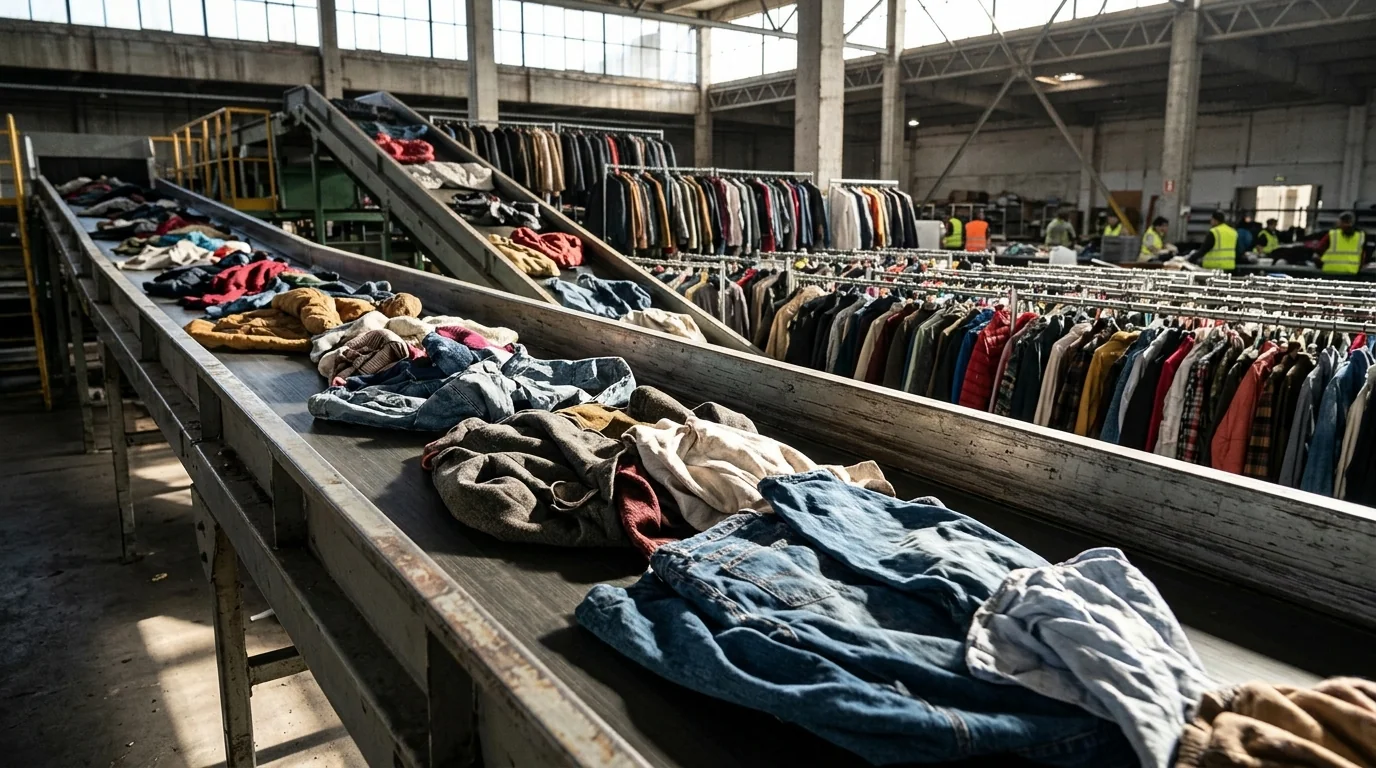
In its Q3 2026 investor letter, Baron Discovery Fund highlighted Reformation Inc. (NYSE:REF) as a new portfolio addition. Reformation Inc. (NYSE:REF) is a digitally led womenswear brand that manufactures and sells dresses, tops, bottoms, sweaters, denim, and accessories that went public in July 2026. On November 9, 2026, Reformation Inc. (NYSE:REF) closed at $20.34 per share with a market capitalization of $1.07 billion, capping a strong 31.65% gain over the past three months.
Baron Discovery Fund stated the following regarding Reformation Inc. (NYSE:REF) in its Q3 2026 investor letter:
“We also purchased Reformation Inc. (NYSE:REF), which went public earlier this year. Reformation is a digitally native womenswear brand selling dresses, tops, bottoms, sweaters, denim, and accessories at prices from about $40 to $1,500. It generated $507 million in net revenue in 2025 and had about 1.14 million active customers. About 90% of revenue comes from its own website and 70 stores, with the remaining 10% from wholesale partners across 142 doors.
Reformation’s edge is how it develops product. Many apparel brands work with lead times of 12 months or longer, forcing them to guess at trends and rely on promotions. Reformation designs in house and produces through a diversified supply chain, including a Los Angeles factory and partners across North America, delivering about half of its products within 60 days of ordering. New styles are tested in small quantities twice a week online and weekly in stores, and the team reorders winners within hours. As a result, about 90% of direct-to-consumer (DTC) apparel revenue in 2025 came from styles informed by customer data, and roughly 80% of DTC revenue from 2021 to 2025 came from full price sales. This constant newness has built a loyal following: 77% of customers cite Reformation as a favorite brand, about 75% of new DTC customers in 2025 were acquired outside paid digital channels, and nearly 70% of DTC revenue came from returning customers…” (Click here to read the full text)