Rishabh Mishra
3 min read
Benzinga and Yahoo Finance LLC may earn commission or revenue on some items through the links below.
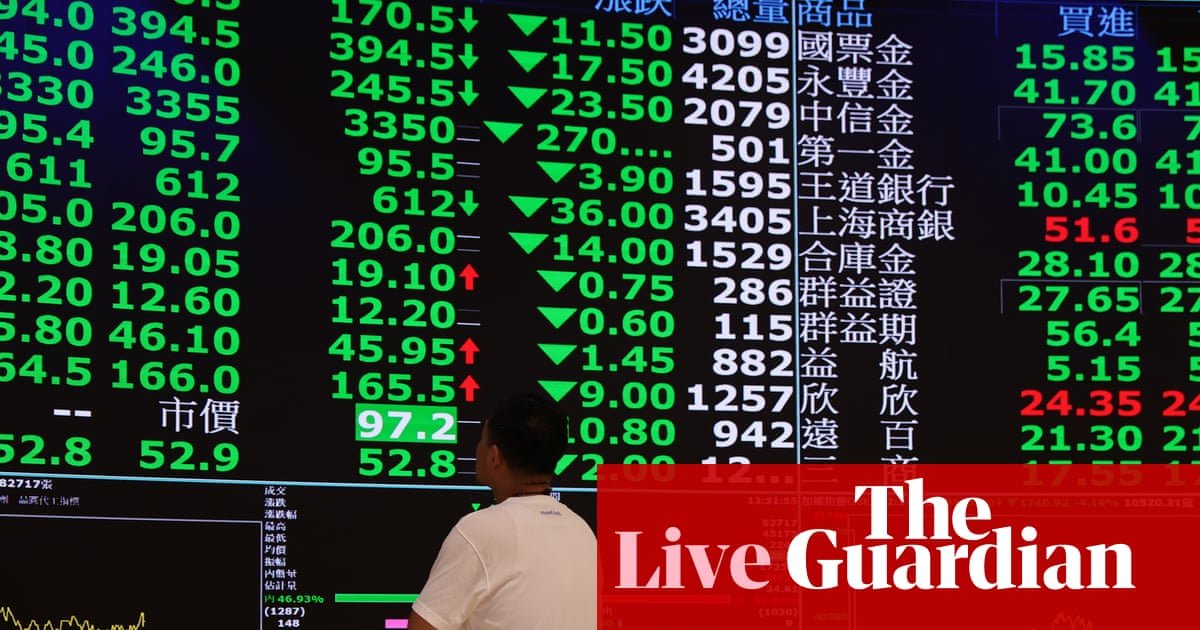
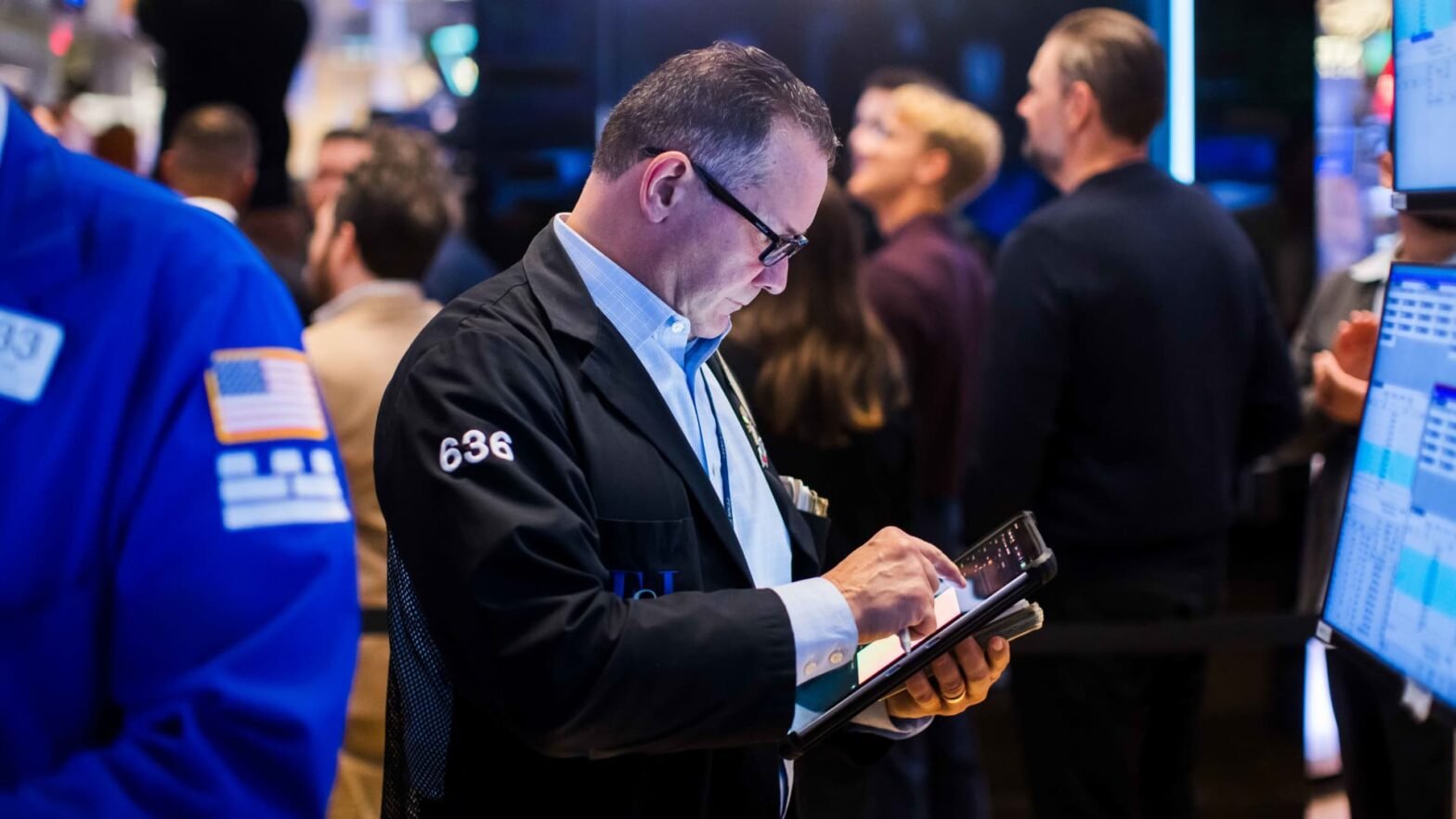
U.S. stock futures are mixed early Friday as Wall Street awaits the critical October nonfarm payrolls report and tech shares attempt to rebound from their worst session since 2020.
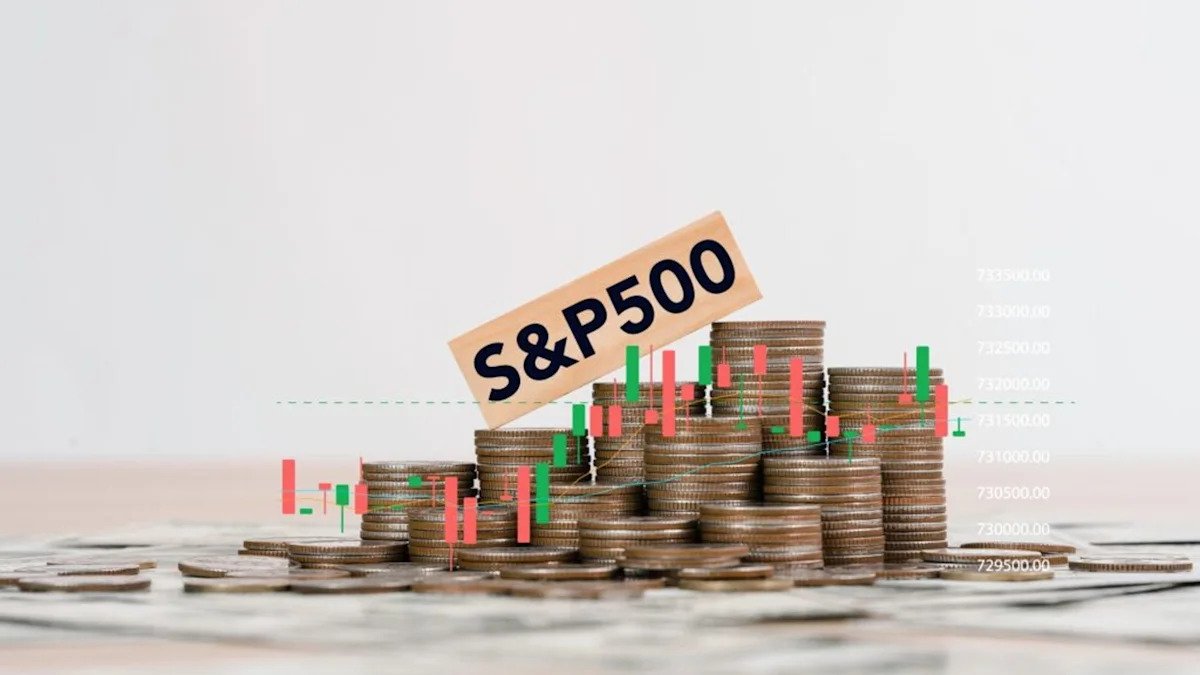
The Polymarket traders, a Polygon (CRYPTO: POL) based prediction platform, are leaning bullish for the Nov. 6 trading session. The “S&P 500 (SPX) Up or Down on November 6?” contract currently reflects a 62% chance of a higher open.

Why That Number Matters
Traders are balancing a pre-market tech bounce against resurging oil prices and a heavily anticipated economic docket:
-
Divergent Index Futures: Following a brutal Thursday selloff that erased nearly $3 trillion in market cap, tech is staging a pre-market comeback. The Nasdaq 100 futures surged 1.01%, pulling S&P 500 futures up 0.08%. However, the Dow Jones dropped 0.92% and the Russell 2000 slipped 0.24%.
-
Geopolitics & Oil: President Donald Trump is currently weighing options regarding a return to major military operations against Iran, with the USS Theodore Roosevelt carrier strike group expected in the region by mid-November. As geopolitical uncertainty persists, energy markets climbed; Brent rose 1.30% to $99.57 a barrel, while WTI crude advanced 0.95% to $91.38 a barrel.
-
Earnings & Eco Data: Friday’s heavily anticipated economic docket features October’s nonfarm payrolls, unemployment rate, and hourly earnings data at 8:30 a.m. ET, followed by the preliminary University of Michigan consumer survey at 10:00 a.m. ET. The corporate calendar is headlined by results from Enbridge Inc. (NYSE:ENB), Moderna Inc. (NASDAQ:MRNA), and Humana Inc. (NYSE:HUM).
The Market Outlook
According to recent market commentary from Fifth Third Wealth Advisors (FTWA), investors should resist the temptation to view the surprising magnitude of the Democratic midterm victories as an immediate economic regime change.
Historically, the market looks through midterm results relatively quickly; since 1938, the S&P 500 has never been lower 12 months after a midterm election, averaging a gain of nearly 15% over the subsequent year.
However, FTWA stresses that the election’s impact may be felt more at the local level than in Washington, specifically regarding AI infrastructure. With Texas turning blue and growing political pushback against hyperscale data centers—as seen with delayed projects in Northern Virginia—the AI narrative is evolving from a semiconductor story into an electricity story.