Trevor Jennewine, The Motley Fool
4 min read
The U.S. stock market has posted solid returns this year despite battling economic uncertainty created by President Donald Trump’s policies. Year to date, the broad-based S&P 500 (SNPINDEX: ^GSPC) index has advanced 12% and the technology-heavy Nasdaq Composite (NASDAQINDEX: ^IXIC) index has added 13%.
Despite strong corporate earnings in the first and second quarters, surveys conducted by the American Association of Individual Investors indicate that bearish sentiment has increased significantly since January. In particular, investors are anxious about inflation, government debt levels, and heavy spending on artificial intelligence.
Missed Nvidia in 2009? This Rare Signal Is Flashing Again. In 2009, a “Double Down” signal flashed for a little-known chipmaker called Nvidia. For the first time in years, that same “Total Conviction” signal is flashing for a company 1/100th the size of Nvidia. Continue »
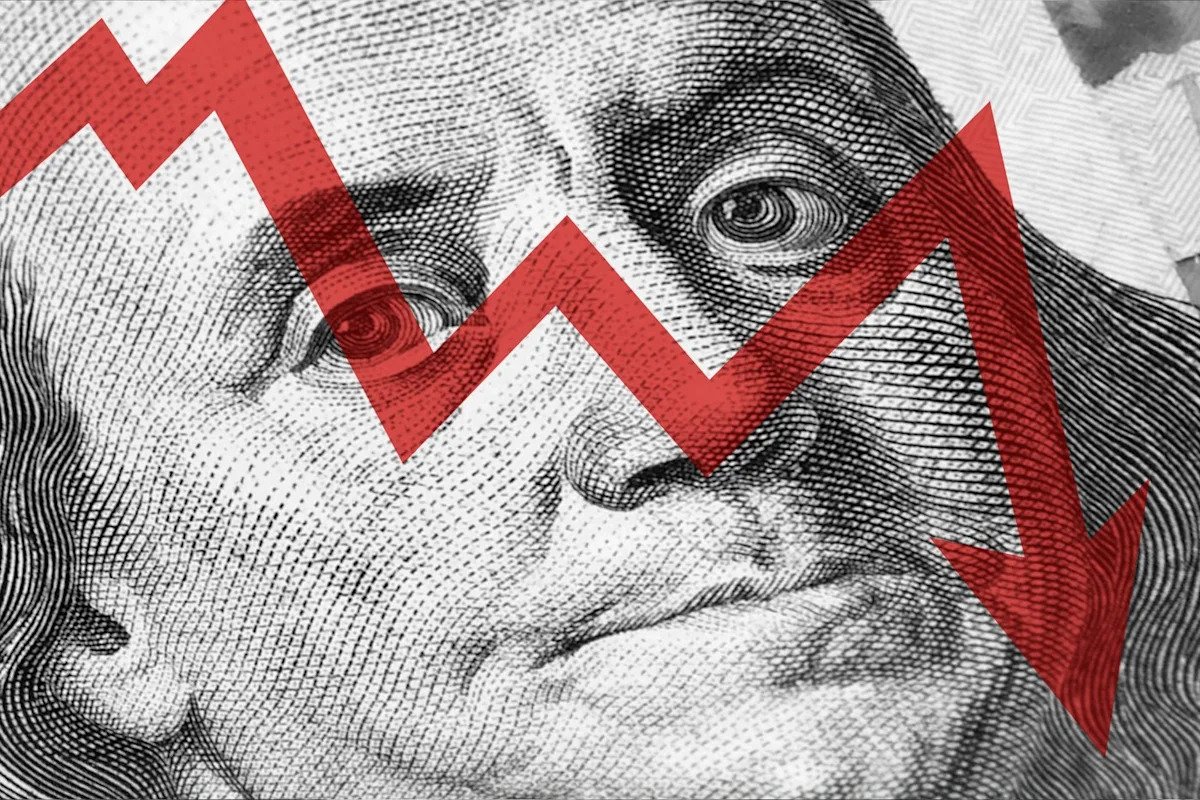
The bond market, fueled by those concerns, just flashed a warning sign last seen about two decades ago. The 30-year Treasury bond yielded 5.31% when the market closed on Aug. 17, the most since June 2007. Last time 30-year Treasuries paid that much, the S&P 500 and Nasdaq Composite dropped into correction territory during the next year.
Here’s what investors should know.
Treasury yields are rising due to concerns about corporate bond supply, inflation, and national debt
Treasury bonds are debt securities issued by the U.S government. They pay interest semiannually until maturity, at which point the bondholder recoups the principal. Bond prices and yields move in opposite directions, and both figures are driven by market supply and demand.
In recent weeks, Treasury bonds have come under selling pressure (causing prices to drop and yields to rise) because investors are concerned about several things:
-
Hyperscalers and neoclouds are funding investments in artificial intelligence infrastructure by issuing debt. The increase in corporate bond supply (especially from companies with strong cash flows) has reduced demand for Treasury bonds.
-
Investors anticipate two quarter-point interest rate hikes from the Federal Reserve in the next year because inflation has remained above target for more than five years. The expectation that Treasury bonds will pay higher yields in the future is reducing demand today.
-
U.S. national debt recently hit $40 trillion. The federal government will have to sell more bonds in the future, not only to cover annual deficits, but also to pay off older bonds. So investors want higher interest rates as compensation for lending to a government that is deeply indebted.