Despite multiple headwinds this year, stocks have continued their uphill march. The benchmark S&P 500 (SNPINDEX: ^GSPC) has shrugged off the conflict with Iran, persistently elevated inflation, and a variety of concerns triggered by artificial intelligence, climbing 13% on the year (as of Aug. 11).
While valuations of artificial intelligence (AI) companies did take a breather earlier this year, investors have returned to the group in recent weeks, leading to a strong rebound. The S&P 500 is now up more than 100% since the start of 2023, and many now think the index will hit 8,000 this year.
Missed Nvidia in 2009? This Rare Signal Is Flashing Again. In 2009, a “Double Down” signal flashed for a little-known chipmaker called Nvidia. For the first time in years, that same “Total Conviction” signal is flashing for a company 1/100th the size of Nvidia. Continue »
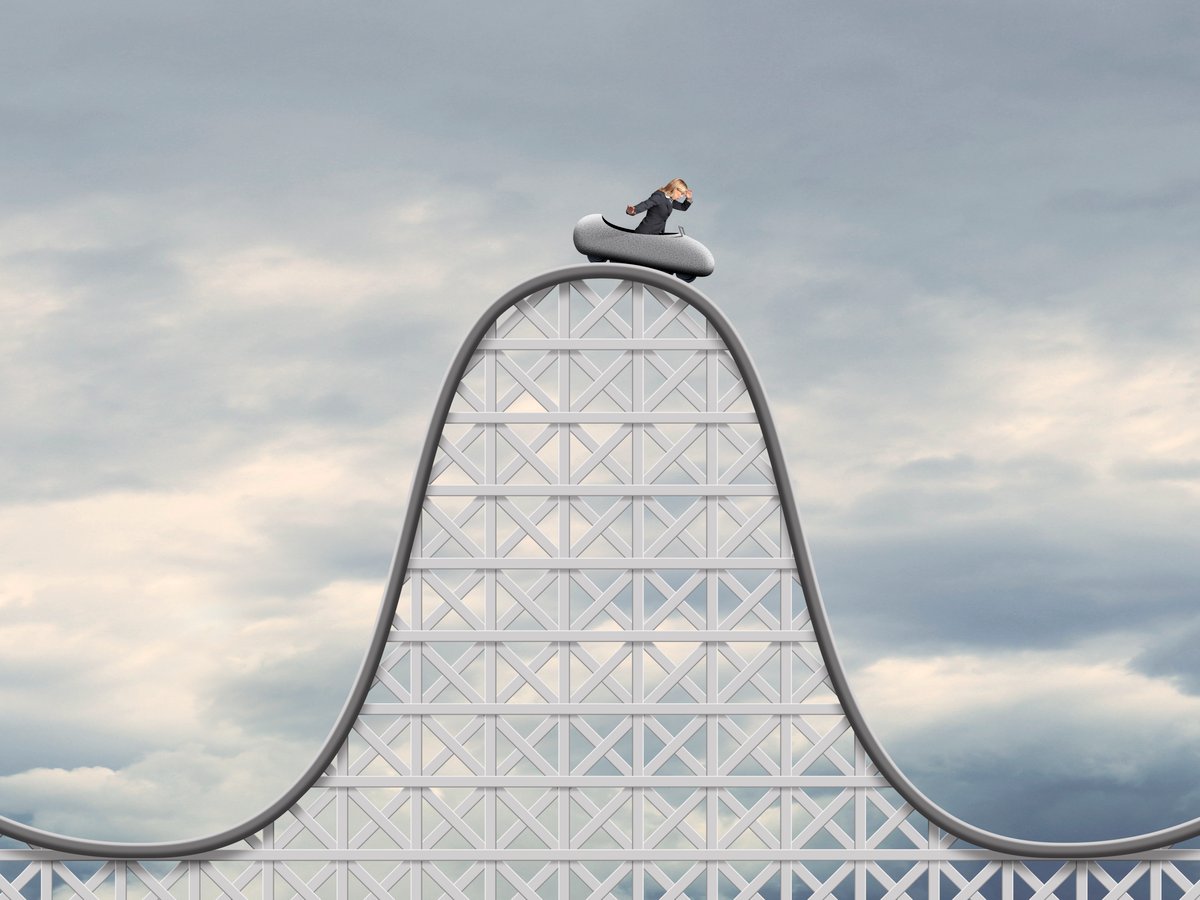
Yet, the stock market is now flashing the same warning signal it did during the dot-com bubble. Here’s what history suggests comes next.

The S&P 500 has rarely traded at this high a valuation
As investors might expect, market gains have led to high valuations. In fact, the market has traded at these levels only once before, in 2000, during the dot-com bubble.
One way to look at the S&P 500’s valuation is by using the Shiller CAPE ratio. This ratio divides the S&P 500’s value by its 10-year average inflation-adjusted earnings. This helps smooth out the various levels of earnings the S&P 500 will experience over an entire economic cycle and accounts for inflation.

As you can see, the only time the S&P 500 Shiller CAPE ratio was this high was in 2000, during the rise of the internet. The current CAPE ratio is nearing that level and is well above the long-term average Shiller CAPE ratio.
Most long-term investors know exactly what happened last time the CAPE reached these levels: In March 2000, the dot-com bubble burst and financial markets imploded, particularly the tech-heavy Nasdaq Composite (NASDAQINDEX: ^IXIC). According to Goldman Sachs, the market for new initial public offerings froze, and by October 2002, the Nasdaq had cratered 77% from its peak.
Interestingly, many investors see similarities between what happened in 2000 and now. In 2000, the market was dealing with the internet, a game-changing technology. Today, the market is grappling with the effects of AI.
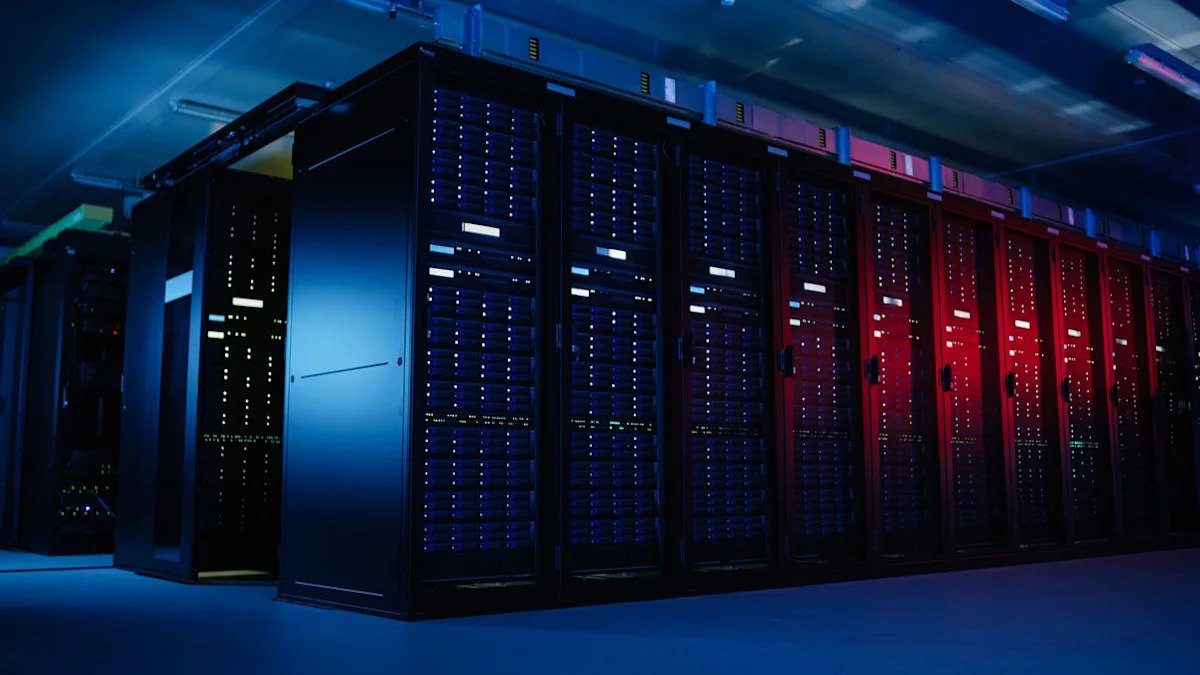
Furthermore, companies also spent hundreds of billions on infrastructure to power the internet, such as fiber-optic cables. Today, a small cohort of large tech companies is spending hundreds of billions on chips and data centers to power AI.