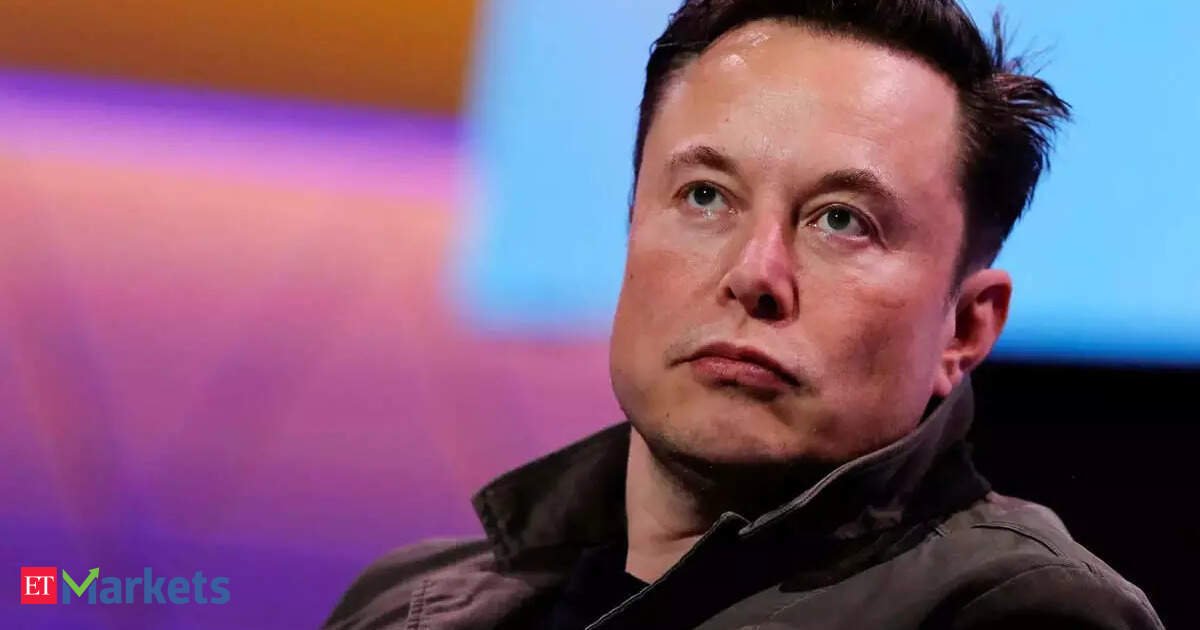
Speculation over a potential merger between Tesla and SpaceX gained fresh momentum after Tesla CEO Elon Musk declined to rule out the possibility during the electric vehicle maker’s earnings call, while indicating that collaboration between the two companies continues to deepen.
According to Reuters, Musk said the two companies are increasingly working together across multiple areas but noted that discussions around combining businesses cannot take place during an earnings call and would require the appropriate corporate process.
The comments have reignited long-running investor debate over whether Musk could eventually bring together his electric vehicle and space exploration companies into a single technology powerhouse.
Investors see stronger case for integration
Investors and analysts have speculated for years about a Tesla-SpaceX combination, with the discussion gaining traction during SpaceX’s record $75 billion initial public offering process.
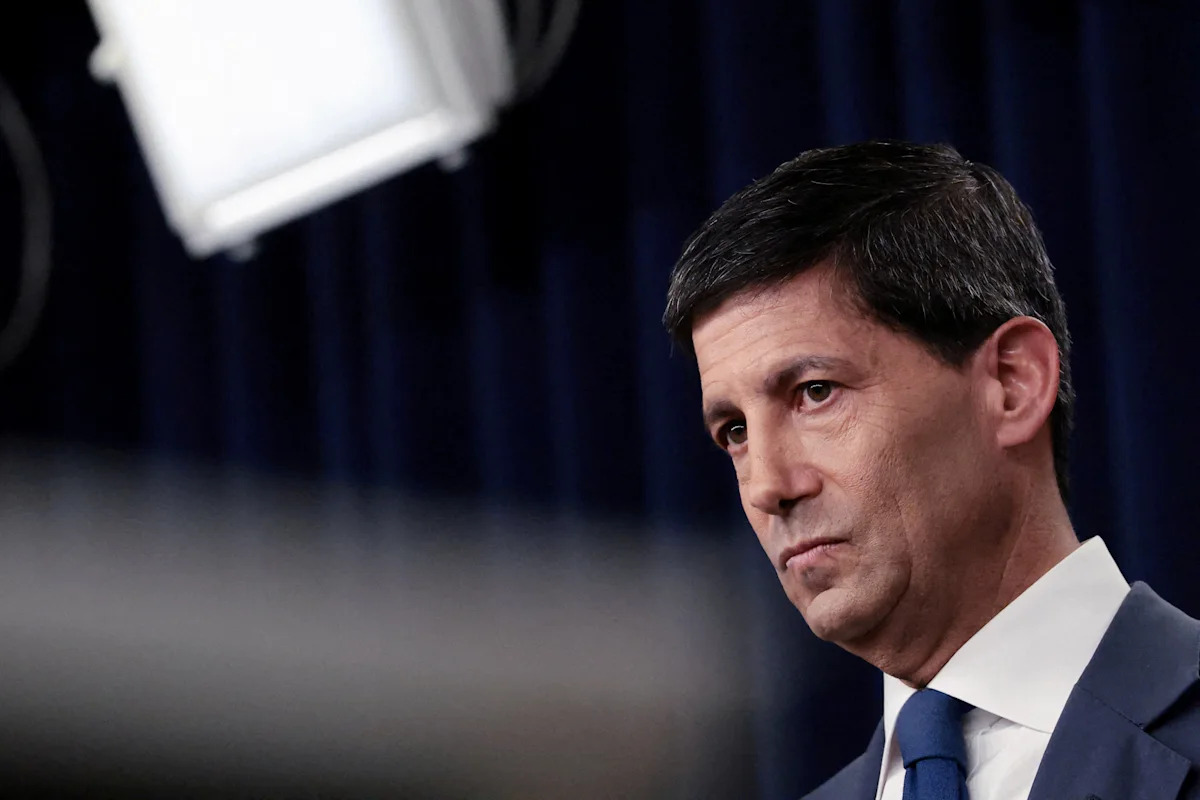
Following Musk’s remarks, Tesla General Counsel Brandon Ehrhart described SpaceX as a valuable partner involved in numerous mutually beneficial transactions but stopped short of commenting on any merger plans.
Gene Munster, managing partner at Deepwater Asset Management and a Tesla investor, said Musk’s comments strengthened his conviction that the companies could eventually merge over the next few years.
Existing collaborations already extensive
Tesla and SpaceX already share significant operational links. Tesla supplies batteries and manufacturing technologies for certain SpaceX projects, while the companies are jointly developing Terafab, a semiconductor manufacturing facility aimed at producing artificial intelligence chips.
Supporters of a merger argue that integrating the companies could simplify Musk’s business empire while creating a unified platform spanning artificial intelligence, robotics, advanced manufacturing, energy systems and space infrastructure.
Wall Street sees growing operational overlap
Analysts have increasingly pointed to the close relationship between the two companies.
According to Reuters, JPMorgan recently noted that operational integration is already substantial, highlighting shared engineering talent, AI infrastructure, the Terafab project and Musk’s leadership across both companies as factors that could make an eventual merger easier.
Stifel analysts have also argued that many investors now view a Tesla-SpaceX combination as inevitable, with the primary question being the timing rather than the likelihood of such a move.
SpaceX President and Chief Operating Officer Gwynne Shotwell also acknowledged in a June interview that combining the companies could simplify management across Musk’s businesses.
Regulatory and governance hurdles remain
Despite the growing speculation, analysts caution that a merger would face significant obstacles.
JPMorgan identified regulatory approvals as a major challenge, particularly in China, where SpaceX’s ties to the U.S. government could raise national security concerns.
Corporate governance could also complicate any transaction. Musk holds a significantly larger voting stake in privately held SpaceX than in publicly traded Tesla, creating potential issues for Tesla’s minority shareholders in the event of a merger.
While Musk’s latest comments have fueled expectations of closer integration between the companies, any formal combination would likely require extensive regulatory scrutiny, shareholder approvals and a carefully structured corporate process, according to Reuters.