Wall Street scaled a fresh all-time high on Wednesday amid growing optimism among investors that the US-Israel war on Iran will soon be over.
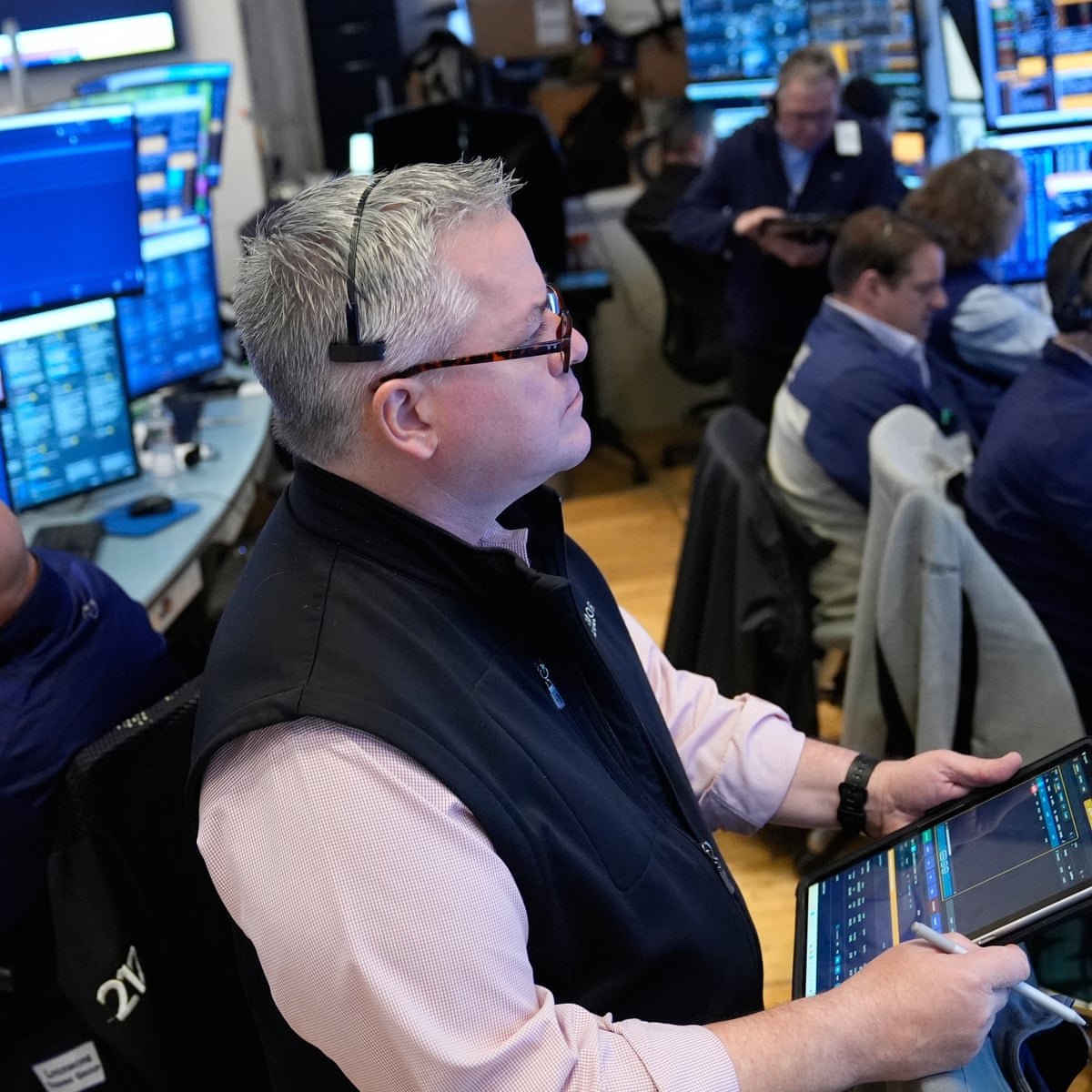
The benchmark S&P 500 breached 7,000 points for the first time in history, after climbing 0.8% over the course of the day, finishing at 7,022.95. The tech-heavy Nasdaq also rose 1.6% to 24,016.02, its own record high, while the Dow Jones industrial average remained broadly flat.
The S&P has led a bullish recovery rally across the three main US indices, erasing the stark losses it endured during the early days of the conflict. It has risen significantly since the US and Iran announced a two-week ceasefire deal last week.
In an interview on Wednesday, Donald Trump claimed that the war was “very close to over”, spreading hope among traders that the conflict, and the volatility it brought to oil markets, will be concluded soon.
“We’ve beaten them militarily, totally,” Trump told Fox Business. “We’ll see what happens, I think they want to make a deal very badly.”
On Wednesday afternoon, however, the White House denied it had requested an extension to the ceasefire, which is set to end on 22 April, but said that talks had been “productive and ongoing”.
Buoying the day’s optimism were quarterly earnings reports from Bank of America and Morgan Stanley, with both banks beating trading estimates, suggesting resilience in the economy amid the war.
“The consumers are spending, the credit quality is very good and improving, and you see the corporate clients actually use their lines a little bit more,” Brian Moynihan, CEO of Bank of America, told CNBC. “We all face that same uncertainty, but right now, the US companies and consumers are doing well, and frankly, our global companies are doing pretty well.”
Wall Street also appeared unfazed by reports from earlier this week that the US would conduct its own blockade of the strait of Hormuz, through which a fifth of the world’s oil and gas products typically pass, promising to block Iranians from the strait after peace talks with Tehran collapsed over the weekend.
To conduct the blockade the US has since sent 15 warships and possibly thousands of US servicemembers to block all ships from passing through, according to the Wall Street Journal.
Brent crude oil, the global benchmark, dropped 10% after the ceasefire was announced, trading at around $95, which is still about 35% higher than before the conflict.