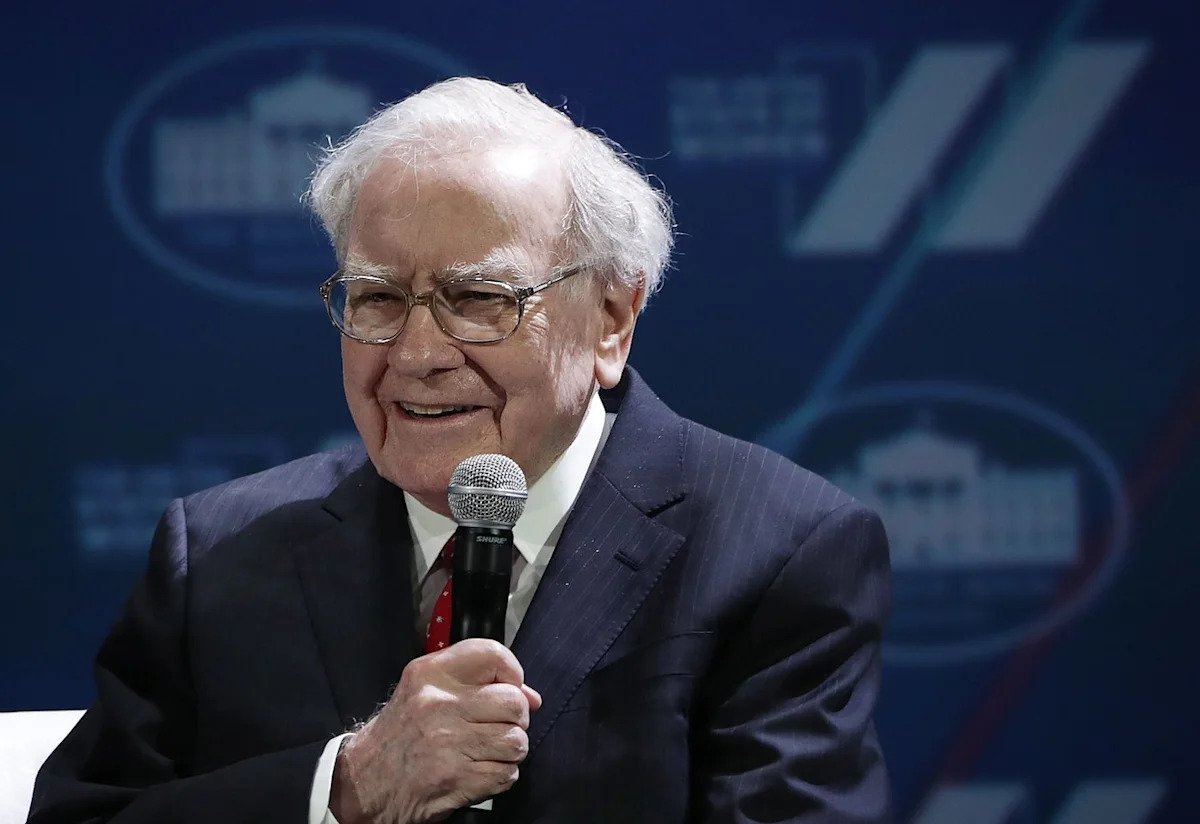
Warren Buffett just published his farewell letter to Berkshire Hathaway (NYSE: BRKA) (NYSE: BRKB) investors as the Oracle of Omaha steps down as Chairman and becomes Chairman Emeritus. Near the end of his letter, the 96-year-old wrote a sobering line: “Father Time always wins.” Buffett added, “He has, however, been generous with me.”
That generosity shows up in Berkshire’s track record. Between 1965 and 2025, Berkshire’s per-share market value compounded at 19.7% a year, turning a modest $100 investment into roughly $6.1 million. The S&P 500 (SNPINDEX: ^GSPC), with dividends included, compounded closer to 10.5%, and turned that same $100 into about $46,000.
Missed AI’s “Act 1”? Act 2 Could Be 15x Bigger. Most investors think they missed the AI boat because they didn’t buy Nvidia in 2005. But according to our analysts, we’re only at the end of “Act 1″—the R&D phase. “Act 2” is the global rollout. Continue »
Berkshire’s transition is now complete. Greg Abel took over as CEO on Jan. 1, while Buffett’s son, Howard, became Chairman on Sept. 18. While this feels like the end of an era, reviewing Buffett’s investment philosophy is a great reminder of how anyone can win in the stock market, no matter what Father Time has planned.
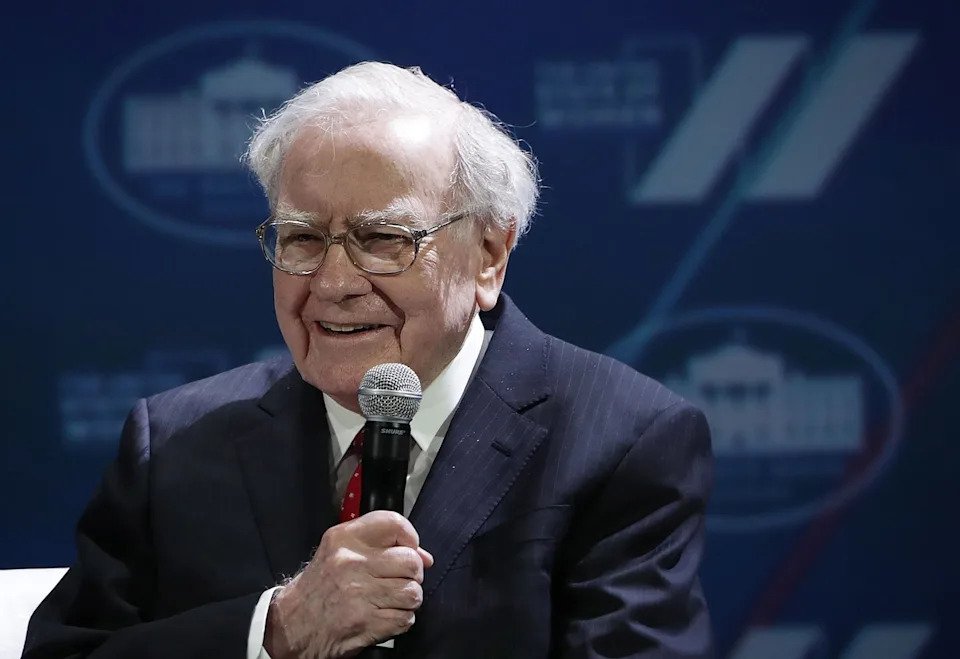
Buffett wasn’t a stock-picking sage — he was a disciplined holder
Buffett did not become a billionaire because every stock he picked was a multibagger. During his tenure, Berkshire invested in plenty of stocks that didn’t pan out. Buffett himself has repeatedly spoken about deciding to sit on the sidelines during certain hot streaks, selling some stocks too early, or holding for too long.
What he did, again and again, was refuse to treat the stock market like a casino. In his 1996 letter, he wrote a famous line that investors love to quote but that almost nobody truly lives: “If you aren’t willing to own a stock for ten years, don’t even think about owning it for ten minutes.” His other version of that same idea was even blunter: “Our favorite holding period is forever.”
Just look at the names that actually made Buffett rich. Berkshire has owned Coca-Cola since 1988 — nearly four decades of cash flow and rising dividends. The firm has owned American Express continuously since 1991. Although Apple arrived much later, in 2016, it still became Berkshire’s largest position because the business value appreciated over time. Berkshire used its profits to buy back stock.
None of these was a 10-minute trade. Instead, they were all decades-long calculations made on businesses that stayed profitable, kept their brand moats, and compounded while headlines came and went.