Your support helps us to tell the story
From reproductive rights to climate change to Big Tech, The Independent is on the ground when the story is developing. Whether it’s investigating the financials of Elon Musk’s pro-Trump PAC or producing our latest documentary, ‘The A Word’, which shines a light on the American women fighting for reproductive rights, we know how important it is to parse out the facts from the messaging.
At such a critical moment in US history, we need reporters on the ground. Your donation allows us to keep sending journalists to speak to both sides of the story.
The Independent is trusted by Americans across the entire political spectrum. And unlike many other quality news outlets, we choose not to lock Americans out of our reporting and analysis with paywalls. We believe quality journalism should be available to everyone, paid for by those who can afford it.
Your support makes all the difference.
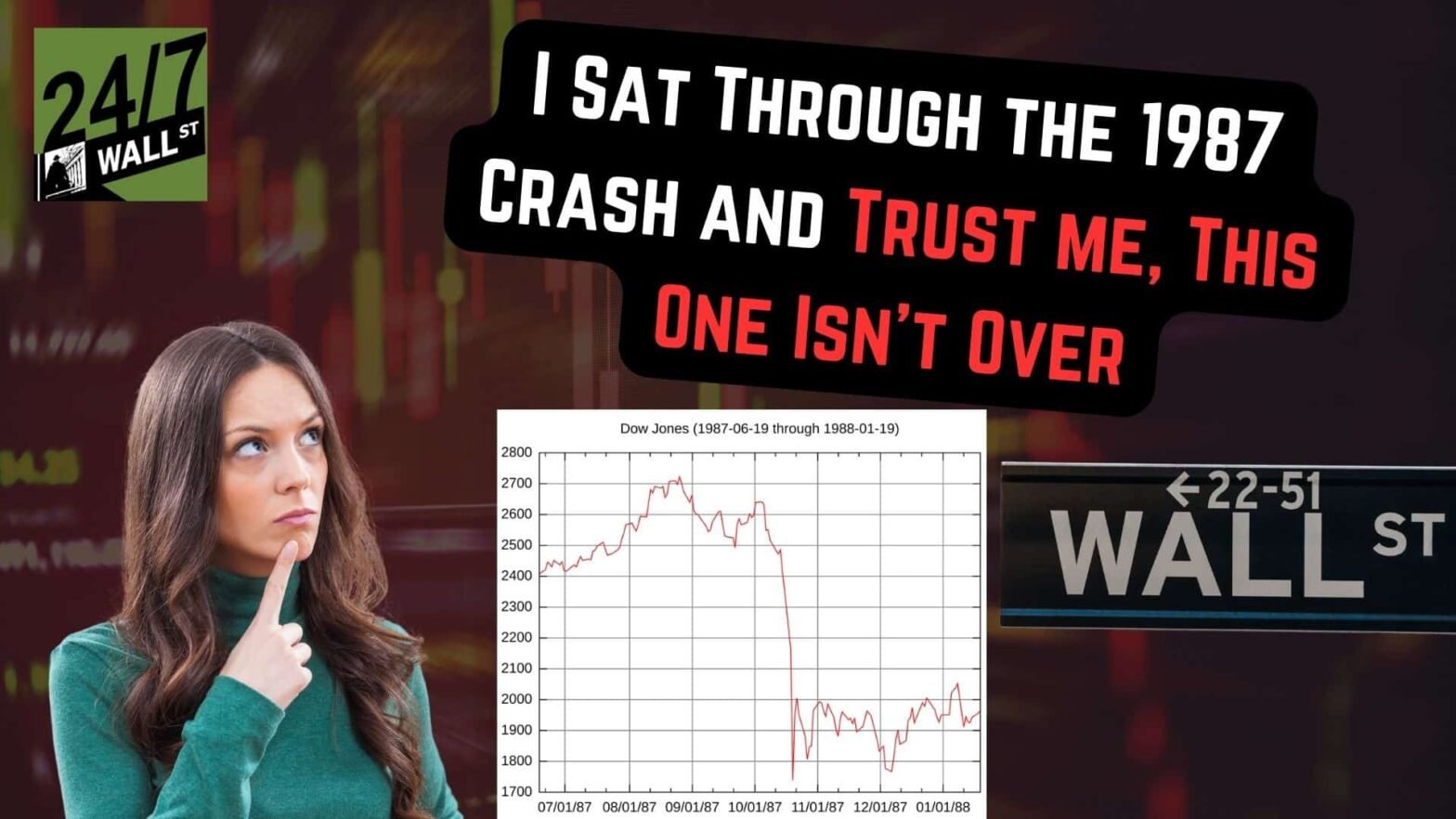
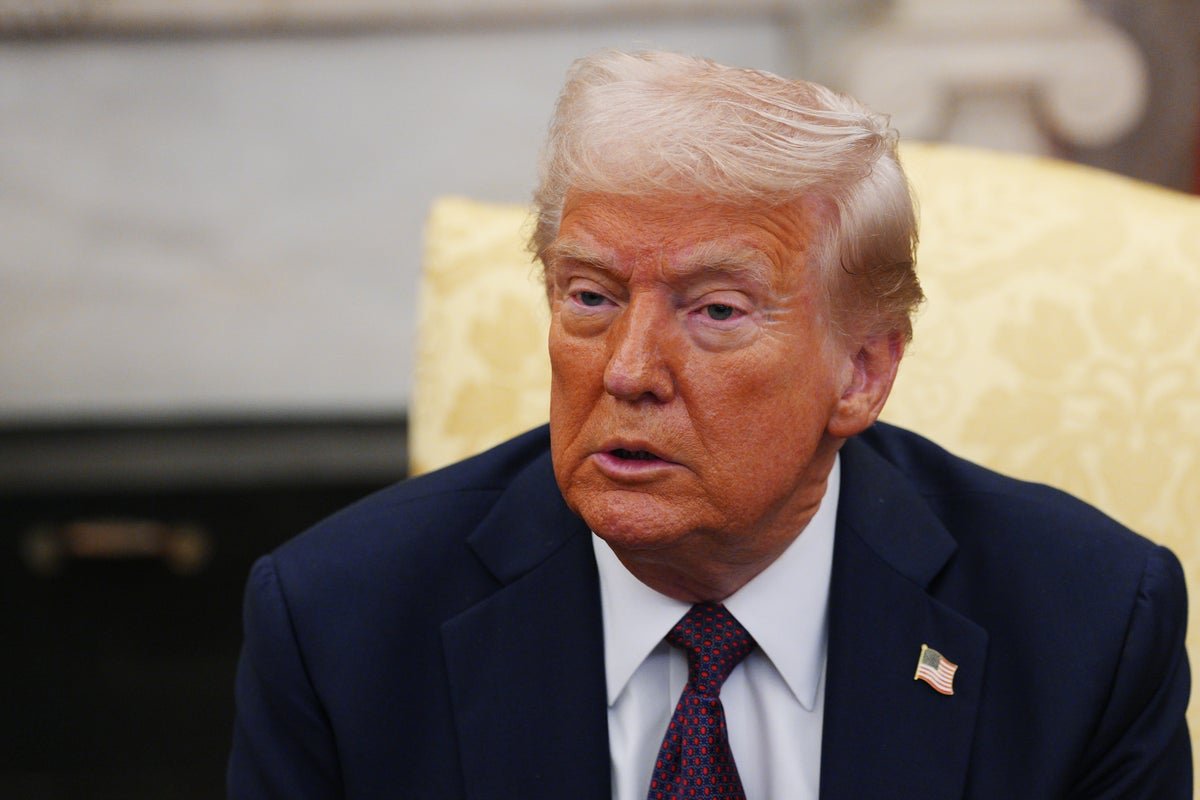
The stock markets have already tumbled as Wall Street braces for the impacts of President Donald Trump’s tariffs on the U.S.’s largest trading partners.
The president’s highly anticipated 25 percent trade tariffs on Mexico and Canada took effect Tuesday. He also added an extra 10 percent levies on China on top of the 10 percent he imposed last month.
Within the two hours of trading Tuesday, the Dow Jones Industrial Average dropped more than 739 points, or 1.71 percent, from Monday while the Nasdaq Composite sank 259 points, or 1.42 percent.
These dips come after sharp drops Monday. The Dow fell 2.5 percent compared to its peak near the start of the day while the Nasdaq fell by as much as 3.8 percent. American consumers and importers ultimately pay for tariffs, although Trump has insisted the contrary.
Despite the prospect of its negative effects on the market, Trump said in the White House Monday that there was “no room left for Mexico or for Canada.” He added: “The tariffs, they’re all set; they go into effect tomorrow.”
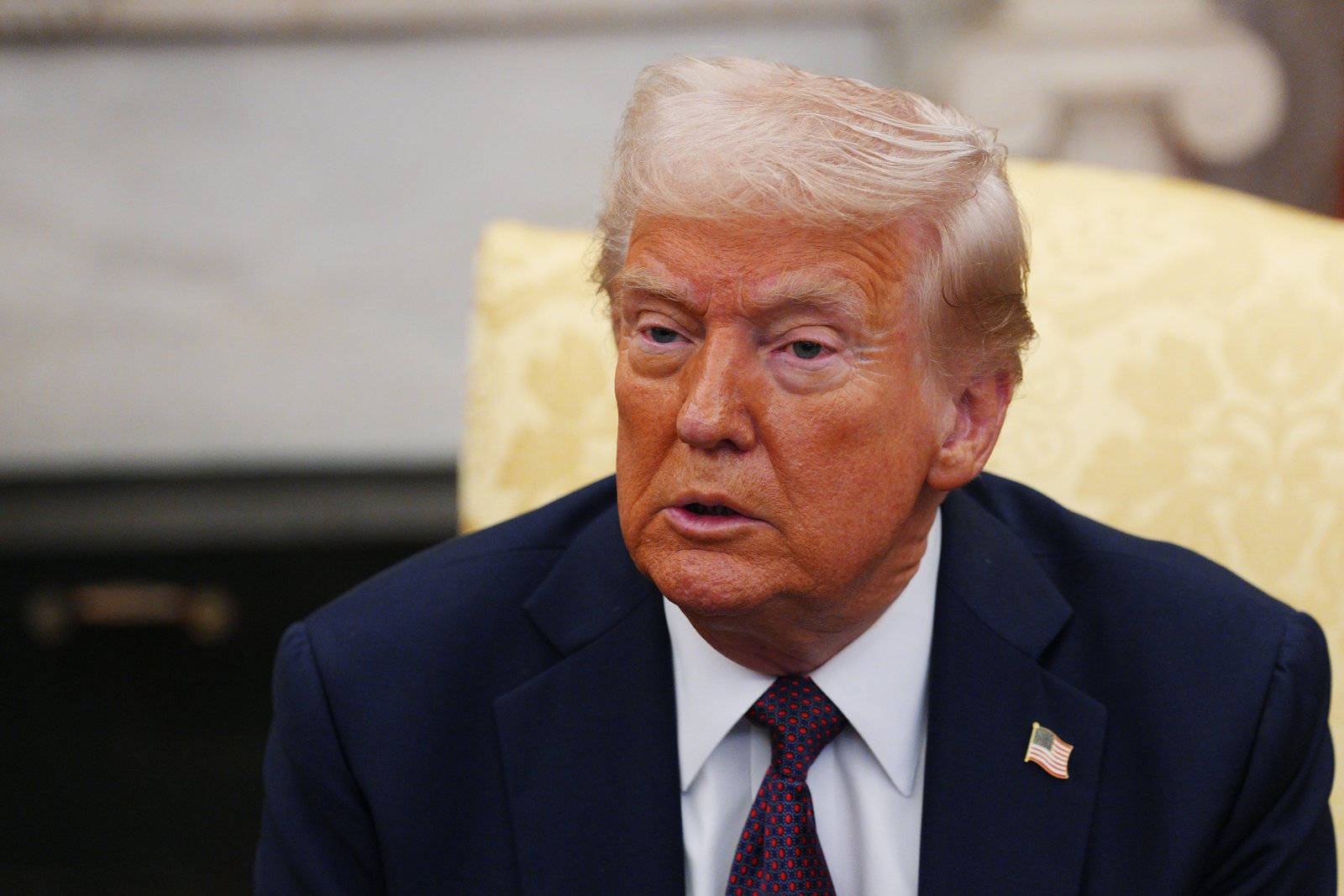
The president has previously stressed that the tariffs are the result of the influx of drugs, namely fentanyl, coming into the U.S. from its neighbors.
“Just so you understand, vast amounts of fentanyl have poured into our country from Mexico, and as you know also from China … it comes in from Canada, and it comes in from Mexico, and that’s a very important thing to say,” Trump continued.
Commerce Secretary Howard Lutnick echoed this while appearing on CNBC’s Squawk Box Tuesday morning: “People say: ‘Oh, it’s only a small amount of opioids. They’re only killing about 75,000 Americans. You shouldn’t worry about that.’ The president is not going to take that laying down….These things just have to end and we need to see a material reduction in autopsy deaths from opioids.”
The rate at which fentanyl comes from Canada to the U.S. is very minimal, data shows. U.S. Border Patrol reported 7,000 drug seizures in the past fiscal year at the northern border — but only 82 of them involved fentanyl — data shows. That’s compared to 8,800 drug seizures from the southern border in the same period; nearly one-tenth of those seizures involved fentanyl.
Lutnick also addressed the concerns over the ramifications of tariffs. “I know people worry about short-term, but we are going to bring jobs. You are never going to see the amount of production…that Donald Trump’s going to bring back to America,” he said.
Mexico already promised to retaliate with tariffs on U.S. goods. “There is no motive or reason, nor justification that supports this decision that will affect our people and our nations,” Mexico’s President Claudia Sheinbaum said Tuesday, the Associated Press first reported.
Canadian Prime Minister Justin Trudeau similarly announced retaliatory tariffs, saying in a statement “there is no justification for these actions” and vowed to not let these levies go “unanswered.”
The northern neighbor responded with 25 percent tariffs against $155 billion of American goods, Trudeau announced. Canada will impose tariffs on $30 billion worth of goods immediately and tariffs on the remaining $125 billion on U.S. products in 21 days. “Our tariffs will remain in place until the U.S. trade action is withdrawn, and should U.S. tariffs not cease, we are in active and ongoing discussions with provinces and territories to pursue several non-tariff measures,” he said.
These measures will demonstrate “there are no winners in a trade war,” the prime minister said in a press conference Tuesday. “Our border is already safe and secure.”
China has also vowed to fight to the “bitter end” of the tariff war and announced it would be imposing 15 percent levies on some U.S. goods.
Starting March 10, Beijing will impose a 15 percent tariff on imported chicken, wheat, corn and cotton, while a 10 percent tariff will be imposed on sorghum, soybean, pork, beef, aquatic products, fruits, vegetables and dairy products, according to a statement from the government.