(Bloomberg) — After years of soaring on hopes for a high-tech artificial-intelligence future, the stock market’s latest hot corner is an old fashioned part of the technology industry.
Most Read from Bloomberg
-
In Dallas, Transit Cuts Reflect Long-Simmering Suburban Tensions
-
Manhattan Casino Odds Fade After Caesars, Silverstein Foiled
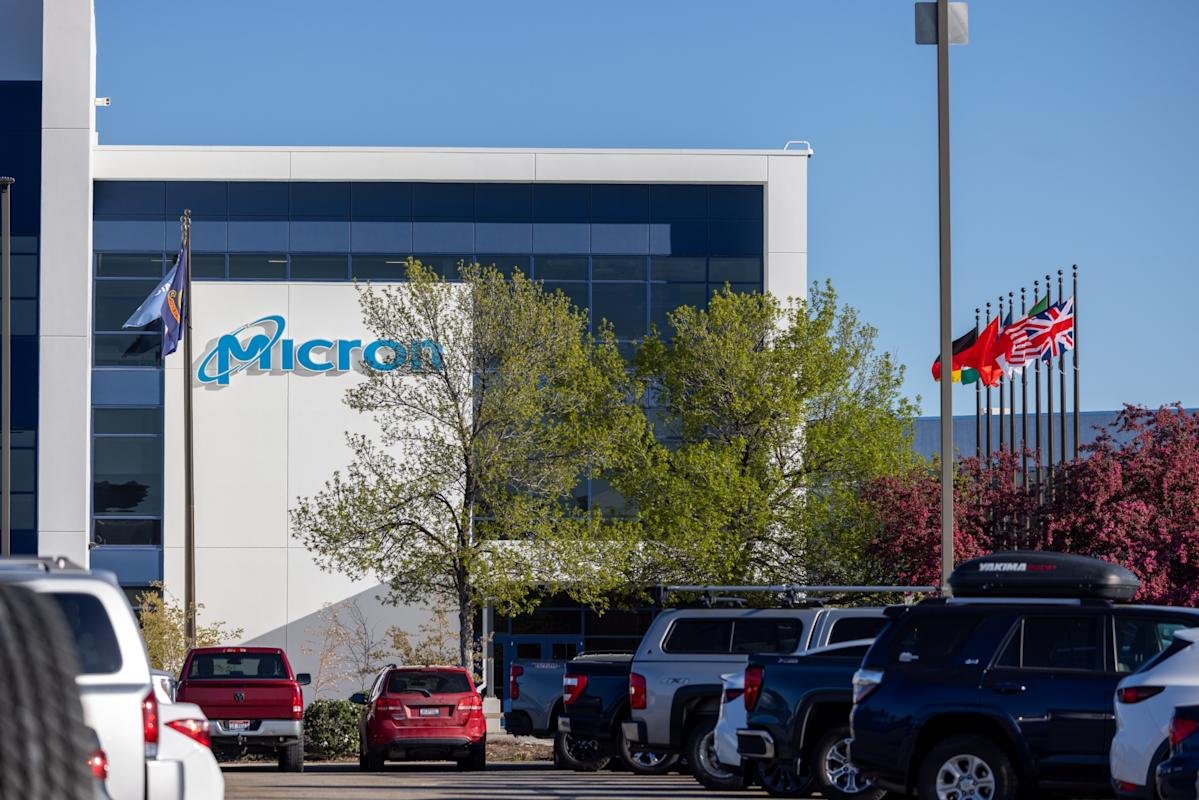
Seagate Technology Holdings Plc (STX), which makes hard disk drives for computers, is the best performing stock in the S&P 500 Index this year after soaring 156%. Rival Western Digital Corp. (WDC) ranks third with a 137% gain. And Micron Technology Inc. (MU), the biggest maker of memory chips in the US, is fifth following a record 12-session winning streak pushed its 2025 rise to 93%.
For bulls, the wild rally in a bunch of typically quiet companies that were founded before Mark Zuckerberg and Sam Altman were even born, demonstrates how unrelenting demand for AI computing gear is benefiting a broad range of businesses. To bears, however, it’s the latest sign that the stock market has been swallowed by a bubble that’s destined to pop.
“This is the type of behavior that you see in a bubble period,” said Michael O’Rourke, chief market strategist at Jonestrading, who was a trader during the dot-com era. “When people start looking for those secondary and tertiary trades because the leadership group has gotten so expensive, that to me says you’re in a very late stage in the cycle.”
Nearly three years after the debut of ChatGPT sparked a craze for all things AI, investments in infrastructure to support the technology continue to pour in. Big Tech companies including Microsoft Corp. and Alphabet Inc. are spending tens of billions of dollars a year on things like semiconductors, networking equipment and electricity to power data centers used to train large language models and run AI workloads.
This spending has fueled the rise of chipmakers like Nvidia Corp (NVDA). and Taiwan Semiconductor Manufacturing Co. (TSM), whose market values are now in the trillions of dollars, and captured the attention of investors around the world.
But Seagate and Western Digital are among the least sexy companies swept up in the AI euphoria. Hard disk drives trace their origins to the 1950s, when they stored five megabytes of data and weighed more than 2,000 pounds. Today, personal computers have hard drives with up to two terabytes of storage and that weigh around 1.5 pounds or less. And the companies that make them are focused on developing storage solutions that have become critical in training large language models, which requires massive amounts of data.